
I thought the worst thing my son could do was ask me to pay for a party he had decided I wasn’t important enough to attend.
I was wrong.
By midnight, I would discover that the cream envelope Olivia slid across the rehearsal-dinner table contained only the smallest part of what had been taken from me.
And the person who had made it possible was sitting six feet away, refusing to meet my eyes.
My only child.
My son.
Matthew.
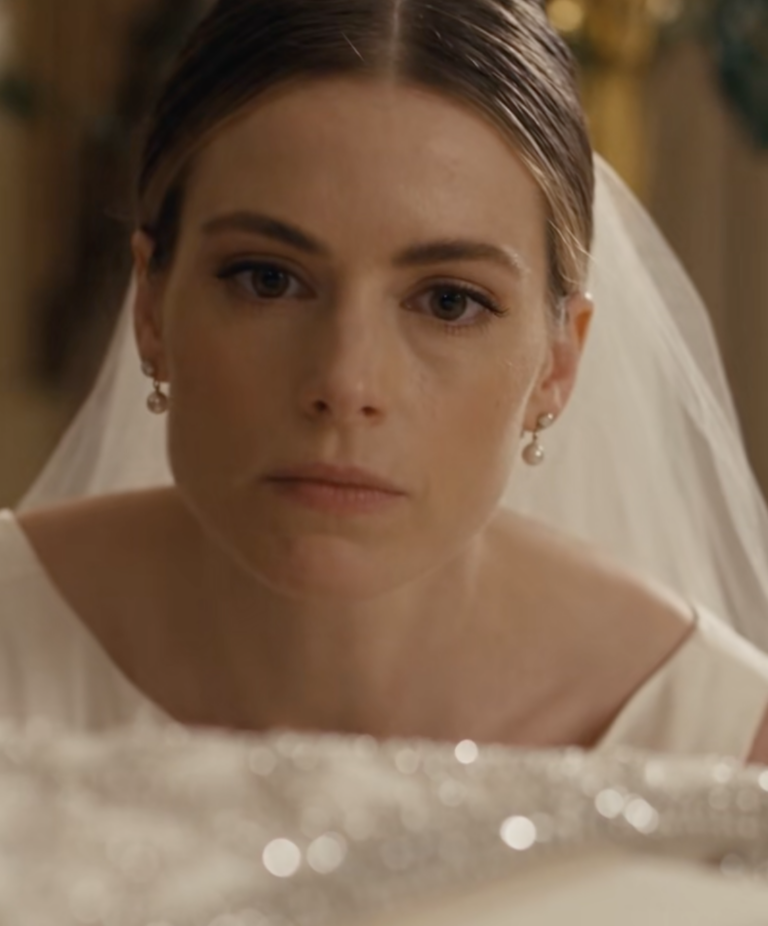
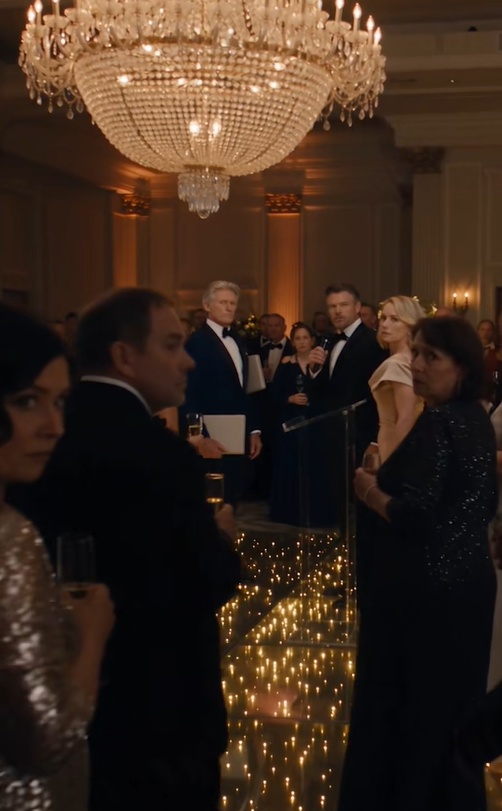
The rehearsal dinner was being held at Bellamy House, a restored nineteenth-century mansion outside Richmond that looked like every bride’s private fantasy.
White roses floated in glass bowls.
Tall ivory candles reflected against polished silver.
French doors opened onto gardens strung with tiny lights.
Someone had even hired a violinist to play quietly near the fireplace.
Everything whispered elegance.
Money.
Permanence.
The kind of evening people photographed because they wanted proof that their lives had once looked perfect.
I sat between Matthew’s college roommate and Olivia’s aunt with a glass of untouched champagne in front of me.
Matthew was thirty-one.
Tomorrow, he would marry Olivia Hart.
For most of the previous year, I had told anyone who asked that I was happy for them.
And I had meant it.
Mostly.
Olivia was polished, intelligent, socially graceful, and so organized that she had once sent me a color-coded spreadsheet for Thanksgiving dinner.
She worked in luxury brand marketing.
Matthew was a civil engineer.
They had met at a charity gala two years earlier.
Six months later, they moved in together.
Ten months after that, he proposed.
I had been surprised by the speed.
But Matthew had been smiling in a way I had not seen since his father died.
That mattered to me.
My husband, Robert, died suddenly of a heart attack when Matthew was twenty-three.
For years afterward, Matthew and I had been a small team.
Christmases for two.
Sunday dinners.
Phone calls when his car broke down.
Phone calls when I couldn’t figure out why the television had stopped connecting to the internet.
Robert used to say that if something happened to him, our greatest job was not to hold onto one another too tightly.
“Love him enough to let him leave,” he once told me.
So when Matthew built a life with Olivia, I tried very hard not to become the mother who treated her son’s marriage as abandonment.
I gave them space.
I did not interfere with their venue.
Their flowers.
Their guest list.
Their food.
When Matthew asked whether I could contribute financially, I wrote them a check for $10,000.
No conditions.
No strings.
I wrote inside the card:
For whatever helps you begin your marriage with joy.
Olivia hugged me.
Matthew kissed my cheek.
I thought that was the end of the money conversation.
I should have paid closer attention.
Dessert had not yet arrived when Olivia reached beneath her chair.
She removed a cream envelope.
My name was written across the front.
DIANE MERCER.
Not Mom.
Not Diane.
Full name.
Like a legal notice.
She placed it beside my plate.
“Diane, before dessert, we need to settle one last thing.”
Something in her tone made me look at Matthew.
He stared at his wineglass.
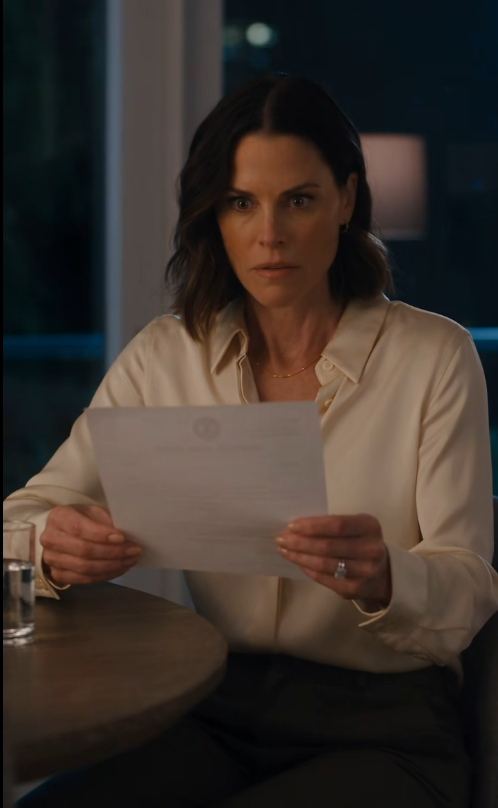
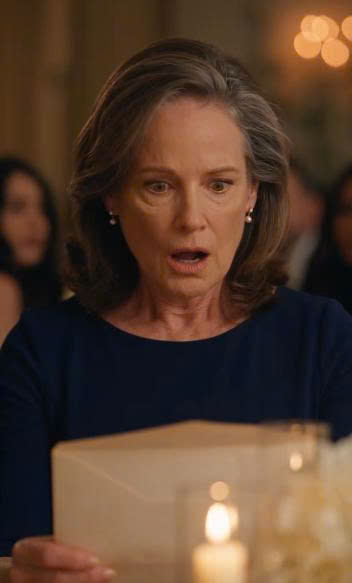
I opened the envelope.
Inside was a printed spreadsheet.
Of course it was.
Rows of expenses.
Rehearsal dinner.
Open bar.
Reception entertainment upgrade.
Floral additions.
Transportation.
Late-night food station.
After-party lounge.
Premium champagne.
A line called family hosting allocation that meant absolutely nothing to me.
At the bottom was a yellow cell.
AMOUNT DUE FROM GROOM’S FAMILY: $21,400.
I read it twice.
Then a third time.
Around us, conversation continued.
Someone at the far end of the table laughed.
A bridesmaid took a photograph of her cocktail.
The violinist kept playing.
It felt obscene that the room could remain beautiful while something ugly was happening inside it.