There should have been no cold air.
I moved several blankets.
Behind them was a small wooden panel.
The latch had broken.
Curiosity overcame manners.
I opened it.
A narrow storage compartment rested inside the wall.
There were three objects.
A child’s wooden horse.
A dried bundle of lavender.
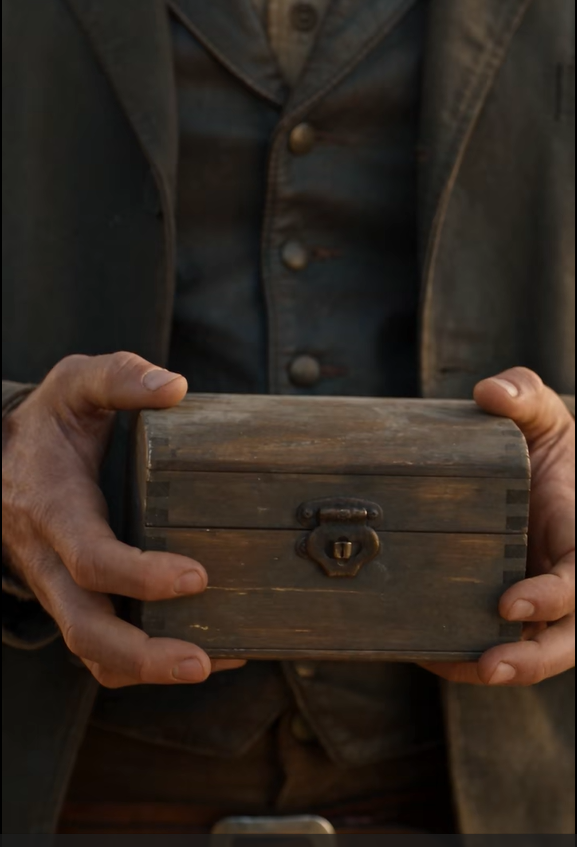
And a locked tin box.
I should have closed the door.
Instead, I touched the horse.
Initials had been carved beneath its belly.
J.W.
Nathaniel had no children.
At least none that anyone had mentioned.
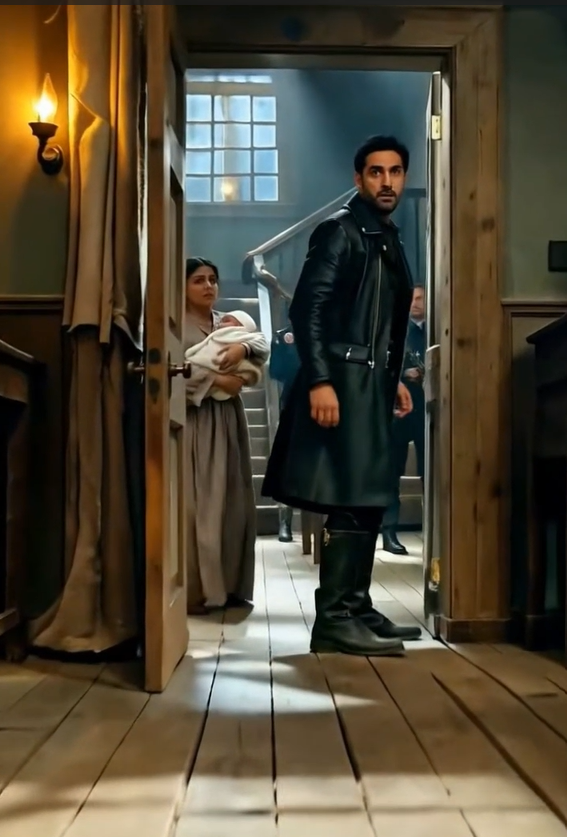
I heard footsteps.
Nathaniel stood behind me.
His face drained of color.
“Where did you find that?”
“In there.”
He crossed the hallway so quickly I stepped aside.
When he saw the wooden horse, something like terror moved through him.
Not grief.
Terror.
“Who is J.W.?”
“Put it back.”
“Nathaniel—”
“Put it back.”
His voice was sharper than I had ever heard.
I obeyed.
He shut the panel.
“That room belonged to Margaret.”
“It’s a closet.”
“It was once part of her sewing room.”
“What happened to the child?”
“There was no child.”
“But the initials—”
“I said there was no child.”
He walked away.
That evening, Nathaniel did not come to supper.
The next morning, he avoided me completely.
Then Mrs. Bell quietly found me behind the kitchen.
“You discovered the horse.”
I looked at her.
“You know about it?”
Her weathered face tightened.
“Some questions bring answers people spent years burying.”
“That sounds like a warning.”
“It is.”
“Who was J.W.?”
Mrs. Bell looked toward the house.
Then she whispered:
“Margaret was pregnant when she died.”
I felt the earth shift beneath my feet.
“Nathaniel said she died from fever.”
“She did.”
“But the child?”
“Never born alive.”
“Then why would he say there was no child?”
Mrs. Bell’s eyes filled with pain.
“Because Mr. Walker never knew.”
I stared at her.
“What?”
“Margaret told only me.”
“Why?”
“She feared something.”
“What?”
“I don’t know.”
Mrs. Bell grabbed my wrist.
“But four days before Margaret died, I found her burning letters in the fireplace. She made me promise never to tell Nathaniel about the baby.”
“Why would she do that?”
Mrs. Bell swallowed.
“Because she said the child wasn’t safe.”
A cold chill moved across my skin despite the heat.
“Safe from whom?”
She shook her head.
“She wouldn’t say.”
That evening, I returned to Margaret’s portrait.
The silver star around her neck caught the lamplight.
Again came that strange sensation.
Recognition.
I had seen it somewhere.
Then memory struck.
I ran upstairs.
Opened my suitcase.
Pulled out the small sewing case my mother had given me when I was twelve.
The case had belonged to my grandmother.
Inside were needles, thread, two buttons—
and a silver clasp I had examined hundreds of times as a child.
An eight-pointed star.
Almost identical to Margaret’s pendant.
My hands began trembling.
I wrote home immediately.
I asked Father whether our family had ever known anyone named Margaret Walker.
I did not tell Nathaniel.
Three days later, the answer came.
Not from Father.
From Victoria.
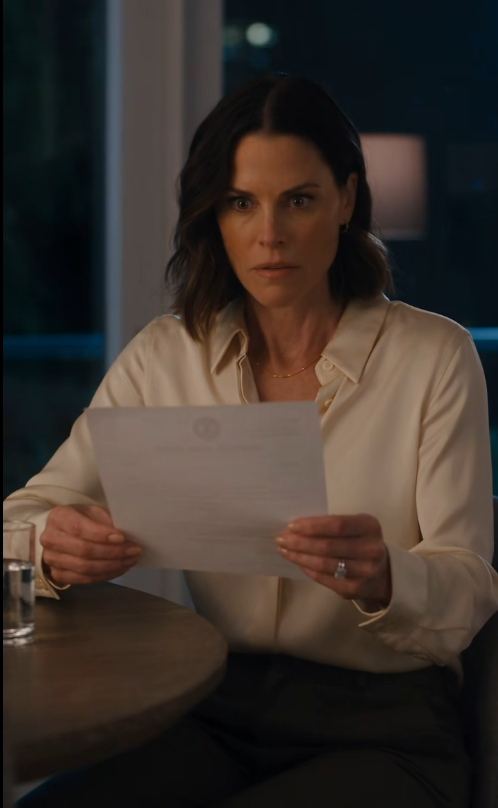
Stop asking questions about Margaret Walker.
Nothing more.
No greeting.
No explanation.
I read the line until my hands became cold.
That night, I confronted Nathaniel.
I placed the letter on his desk.
He read it.
Then read it again.
“Why would Victoria know Margaret’s name?”
“I don’t know.”
“You corresponded with her.”
“Victoria never mentioned Margaret.”
“Did the matchmaker?”
Nathaniel shook his head.
I paced the study.
“Something is wrong.”
He remained silent.
“Nathaniel, my sister refused to come here. Then the moment she learned I stayed, she suddenly changed her mind. Now she’s telling me not to investigate your dead wife.”
His expression darkened.