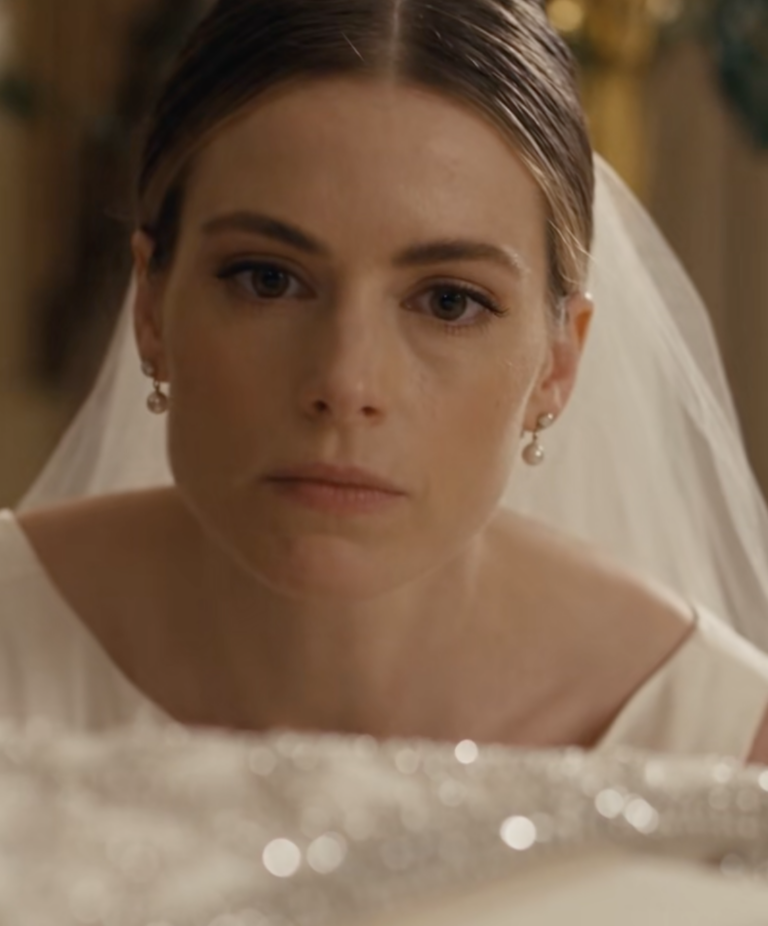
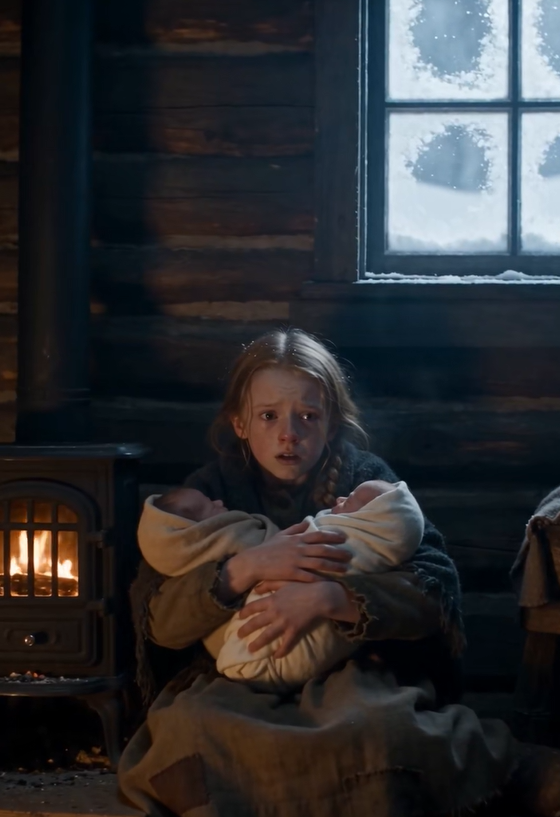
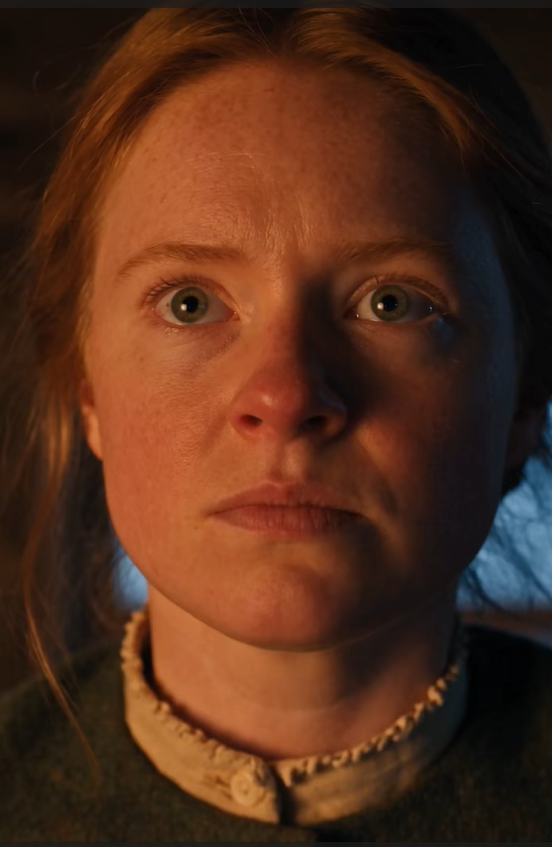
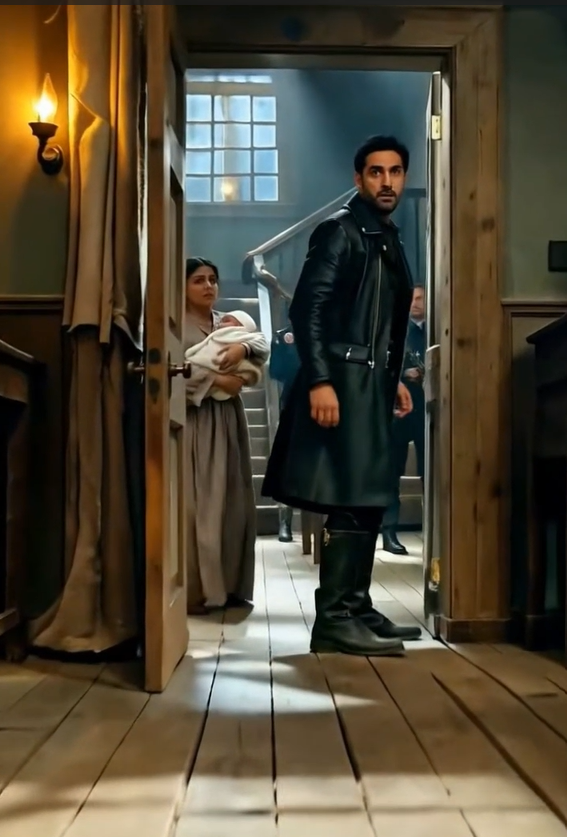
Naturally, they told parts of it wrong.
They said Ethan Cole had advertised for a housekeeper and accidentally found a wife.
They said Clara had saved four motherless children.
They said she had exposed Silas Mercer.
They said fate brought her west.
But inside the Cole home, the children knew better.
They kept Margaret’s letter inside the old red ledger.
Annie eventually became a teacher.
Samuel became an attorney who represented families too poor to defend themselves.
Lucy grew up fearless and never again slept with a lamp burning.
Ben spent twenty years denying he had once named cows after convicted criminals.
And Clara?
Clara lived long enough to see grandchildren race across the same porch where she had once arrived soaked with rain, holding a carpet bag and wondering whether she had made a terrible mistake.
Sometimes young women came to her for advice.
Women who felt plain.
Unwanted.
Too old.
Too awkward.
Women convinced everyone else had already been selected for happiness while they had somehow been forgotten.
Clara would listen.
Then she would take out Margaret’s fading letter.
She never told them to wait for a man to choose them.
She never promised that love would arrive on a train or appear with a silver ring.
She told them something better.
“A life does not begin when somebody finally sees your worth.”
Then she would smile.
“Sometimes it begins the moment you decide to live as though your worth was never theirs to determine.”
And if one of the children happened to be nearby, they always added the same ending.
The part Clara herself never told.
That once there had been a woman nobody noticed.
A woman strangers laughed at on a railway platform.
A woman who arrived with twenty-three dollars, mud on her boots, and no ticket home.
The town believed Ethan Cole would not keep her a week.
They were right.
He did not keep her.
He loved her.
The children did not simply need her.
They became hers.
And Margaret Cole, from beyond the reach of grief, had not summoned a replacement for herself.
She had done something far wiser.
She had opened a door for another forgotten woman and trusted that love would know what to do once she walked through it.
Clara spent the rest of her life proving that trust had not been misplaced.
Because in the end, the woman everyone believed no man would choose became the heart of a family that had been waiting for her long before she ever knew its name.
And the greatest surprise was not that Clara Hayes was finally chosen.
It was that, all along, she had been the one doing the choosing.