Sam loved dinosaurs.
Max asked approximately four hundred questions per minute.
“Do you live in a mansion?”
“No.”
“Do you have a helicopter?”
“No.”
“Have you ever punched a shark?”
“No.”
“Have you punched a person?”
Elena nearly choked on her coffee.
I looked at Max.
“Yes.”
“Cool.”
“It’s not cool.”
“Did you win?”
“Max,” Elena warned.
I smiled.
“Yes.”
He looked deeply satisfied.
The second Tuesday, we went bowling.
The third, a science museum.
The fourth, their apartment, where Sam defeated me at a dinosaur board game whose rules I was fairly certain he invented halfway through.
Eventually Tuesday became Saturday too.
Then school pickup.
Then soccer games.
I learned that Leo hated tomatoes.
Max was afraid of thunderstorms but pretended otherwise.
Nico slept with a stuffed whale.
Sam wanted to become a paleontologist, firefighter, astronaut, and chef.
Possibly simultaneously.
I also learned something about Elena.
She had not spent six years waiting for me.
She had built a career as a pediatric occupational therapist.
She had friends.
A home.
A life.
She didn’t need rescuing.
If I wanted a place in that life, I would have to earn it.
So I tried.
Meanwhile, Matteo was arrested.
Not for threatening Elena.
Men like Matteo were rarely destroyed by their worst sins.
Instead, federal investigators found financial crimes, bribery, conspiracy, and enough evidence from Sloane’s files to keep several attorneys employed for years.
The Moretti organization cracked.
I did something my father would have considered unforgivable.
I cooperated.
Not about things that would put innocent people in danger.
But enough.
I separated legitimate businesses from everything else.
Sold properties.
Closed accounts.
Ended arrangements that had existed since before I was born.
Men who once called me family called me traitor.
For the first time, the word felt like a compliment.
My mother moved to our house in Cape Ann.
She called me twice a week.
I answered once.
Forgiveness, I discovered, was not the same thing as pretending something had never happened.
Sloane disappeared from Boston for nearly two months.
Then one afternoon she called.
“I need to see you.”
We met in the Public Garden.
No security.
No expensive restaurant.
Just two people on a bench watching ducks move across the pond.
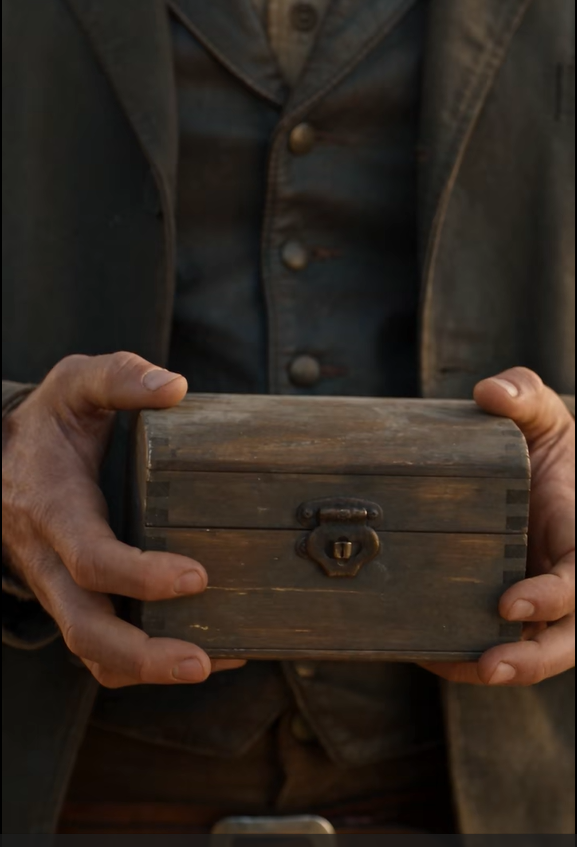
I handed her the ring box.
She laughed.
“You kept it?”
“Technically it belongs to you.”
“It absolutely does not.”
“You saved my life.”
“Then buy me lunch.”
I smiled.
“Why did you do it?”
Her expression changed.
“I hated the arrangement as much as you did.”
“That isn’t enough.”
“No.”
She watched the water.
“My father spent my whole life using people. My mother. Me. Anyone useful.”
She looked at me.
“When I discovered what they planned to do to you, I began collecting evidence.”