A person can spend years recovering from one addiction while still being addicted to approval.
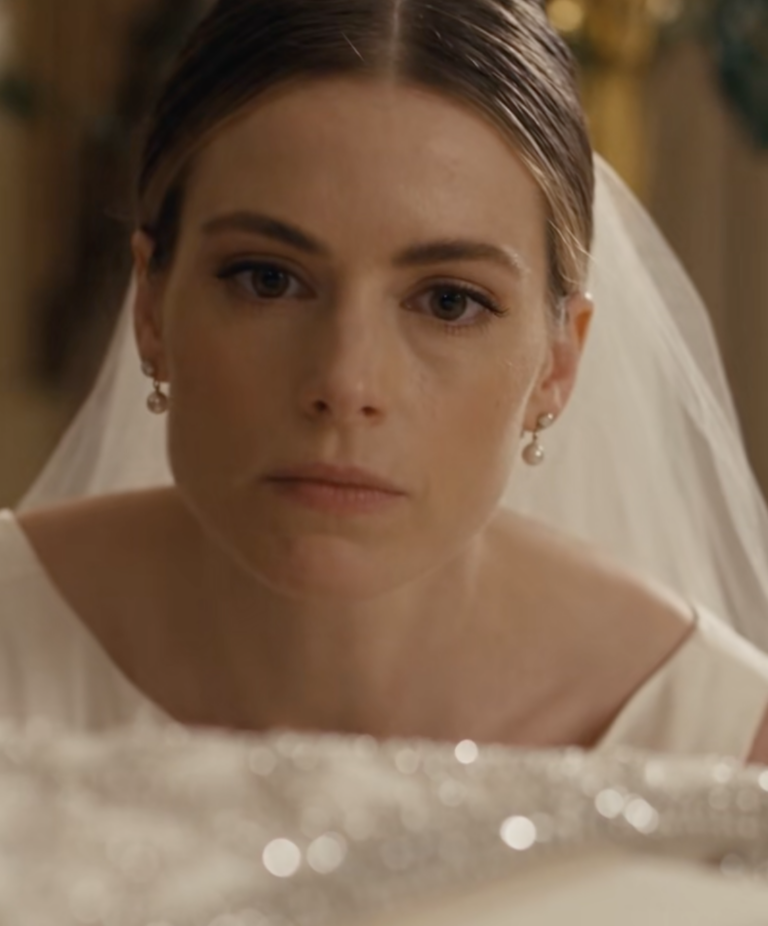
She had spent her entire life trying to be the daughter Mom chose.
Even when that meant becoming someone she hated.
For a long time, Sophia and I barely spoke.
Then one Sunday, almost a year after the wedding that never happened, she came to my apartment carrying a familiar bottle.
Imported olive oil.
Same brand.
She placed it on my kitchen counter.
“I thought I owed you one.”
I stared at it.
Then I laughed.
Really laughed.
For the first time, so did she.
Forgiveness did not happen that afternoon.
Not completely.
Some wounds shouldn’t disappear simply because the person who caused them finally understands the pain.
But we started.
Slowly.
Honestly.
Without Mom translating us to each other.
Without secrets.
Without pretending.
Alex never asked me to call him Dad.
That mattered.
We met for coffee.
Then lunch.
Then occasional dinners.
He told me about my grandmother.
About the letters.
About the years he had wanted to contact me but had believed my mother when she insisted doing so would destroy my life.
Maybe he was weak.
Maybe he should have told me sooner.
But unlike almost everyone else involved, he never demanded immediate forgiveness.
So I gave him something smaller.
Time.
Dad—James—remained Dad.
Nothing changed that.
On my thirtieth birthday, the trust finally transferred into my control.
I opened the final accounting alone.
At the bottom was a handwritten note Grandmother Ruth had instructed the attorney to give me when the trust matured.
It said:
Money can be stolen and returned. Time cannot. Never spend your life protecting a lie simply because the truth arrived late.
I framed it.
Not because of the money.
Because she had understood my family long before I did.
And there was one final detail.
One nobody expected.
Grandmother had included a secondary instruction.
If the original trust principal was ever intentionally misappropriated by its trustee, that trustee automatically forfeited a separate inheritance Grandmother had placed in reserve.
A property.
Forty-three acres overlooking the Hudson River.
Worth nearly $2.8 million.
My mother had believed stealing from our trust would help her preserve the life she wanted.
Instead, the moment she forged the first withdrawal, she unknowingly surrendered the largest inheritance Grandmother had ever left.
The property passed equally to Sophia and me.
When the attorney told us, my sister stared at me.
“What do we do with it?”
There were plenty of obvious answers.
Sell it.
Build houses.
Keep it.
Fight over it like everyone before us had fought over money.
Instead, six months later, we sold the property.
Sophia used part of her share to establish a scholarship fund for women leaving residential addiction treatment.
I used part of mine to fund free legal assistance for victims of financial abuse and identity theft.
Dad attended the opening ceremony.
Alex stood quietly near the back.
Mom wasn’t invited.
Sometimes people ask whether I regret agreeing to become Sophia’s maid of honor.
I don’t.
If I had refused that invitation, I might never have reopened my wedding folder.
I might never have found the forged authorization.
Dad might have continued believing I wanted nothing to do with him.
Sophia might have married Derek.
Mom might have reached my thirtieth birthday with enough paperwork rearranged to bury the truth forever.
And I might still believe that the greatest betrayal of my life happened the afternoon I found my fiancé in my sister’s bed.