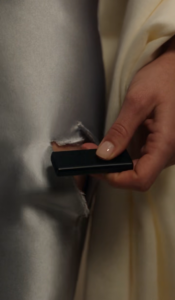
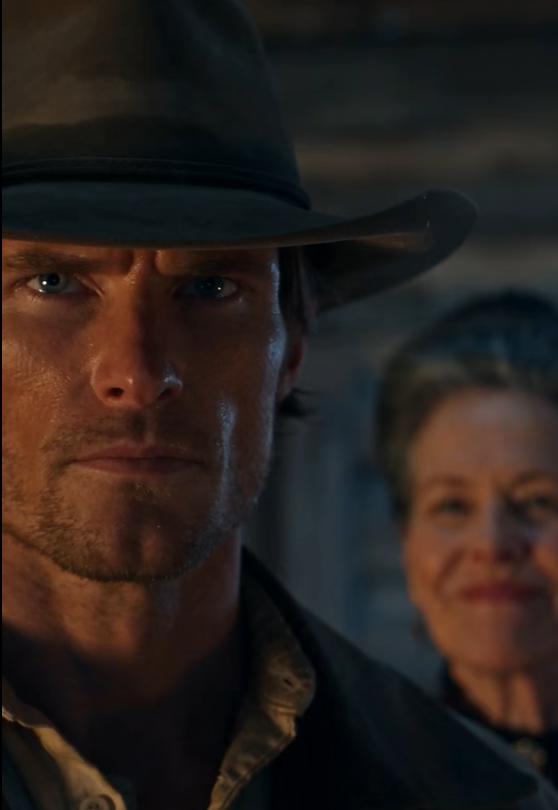
Patient: Julian Edward Anderson. No pulse on examination.
He looked from the paper to the man in the doorway.
“What is this?”
Julian held out his hand.
“Give it to me.”
For the first time in his adult life, Maxwell did not move when his uncle asked him to.
The Anderson brothers had been identical twins.
As boys, they had switched places at school, fooled neighbors, and made their mother sew initials into their coats.
By middle age, people claimed they could tell them apart instantly.
Richard, Maxwell’s father, was leaner, louder, always impatient. He ran the family’s shipping and property interests as if every conversation were a negotiation he intended to win.
Julian was quieter. He spent years overseas, returned with small gifts, and remembered the names of household staff.
Richard had a scar along the base of his right thumb.
Julian wore a signet ring on his left hand.
Maxwell remembered these distinctions the way children remembered things about adults: as fixed facts, never requiring examination.
Then Richard’s boat vanished in a storm.
It happened eleven days after Eleanor’s funeral.
Julian came home to help.
He never left.
Over time, grief seemed to change him.
He grew more exacting. Less patient. He stopped sketching, stopped traveling, stopped telling the ridiculous stories Maxwell loved as a boy.
People said losing his twin had hardened him.
Maxwell believed that explanation.
He believed it for twelve years.
Now his mother looked toward the doorway.
And whispered:
“That is not your uncle.”
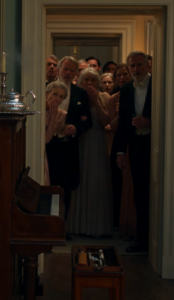
Nobody moved.
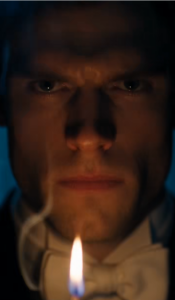
The man in the charcoal suit smiled faintly.
“Eleanor.”
She recoiled at the sound of her name.
Maxwell stepped between them.
“Show me your right hand.”
“Don’t be absurd.”
“Show me.”
A muscle shifted in the man’s jaw.
For a moment, Maxwell remembered himself at ten, standing beside a broken model sailboat while his father asked who had touched it.
That expression.
That terrible stillness before anger.
Julian had worn it often in recent years.
Maxwell simply had not wanted to recognize it.
The man’s right hand remained near his pocket.
Maxwell glanced at the guard.
“Don’t let him leave.”
“Maxwell,” the man said sharply.
It was not his uncle’s voice anymore.
It was his father’s.
A voice stripped of twelve years of careful softness.
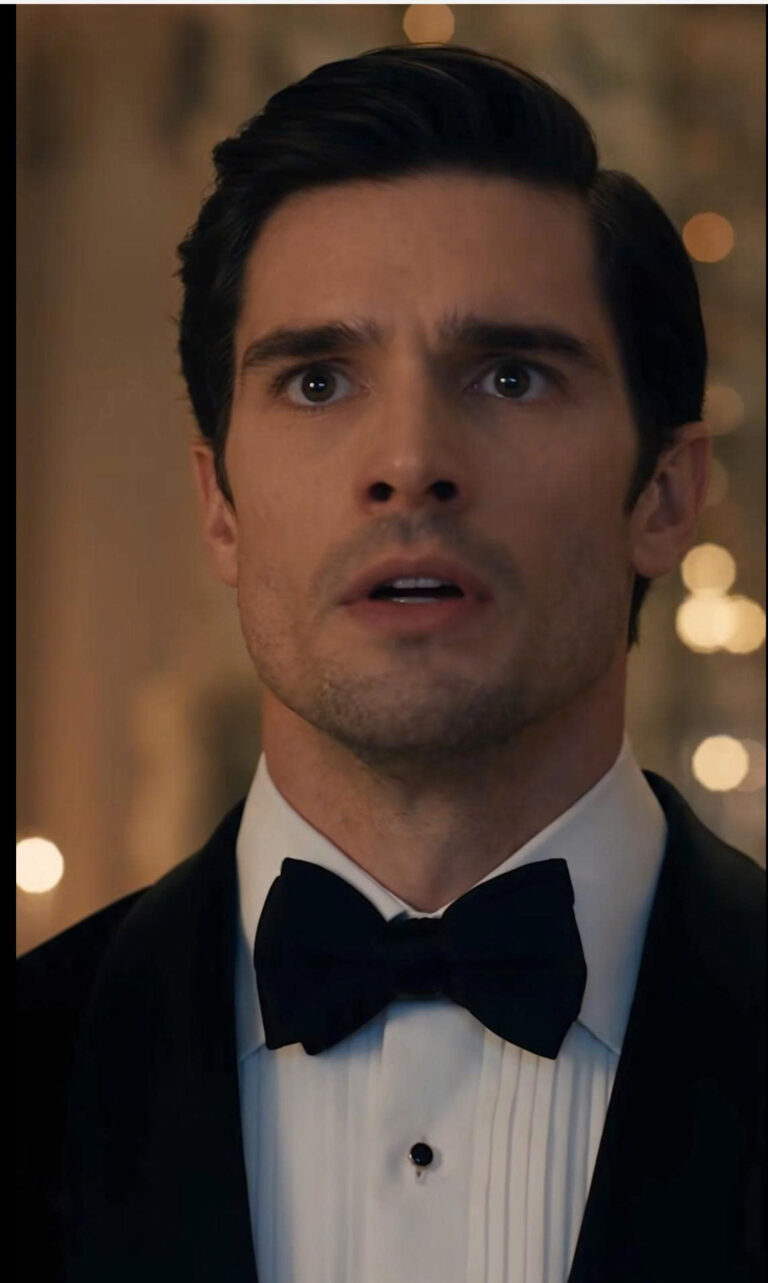
Maxwell could barely breathe.
“Dad?”
Eleanor closed her eyes.
The man looked past him toward the guests and their raised phones.
Then, slowly, he lifted his right hand.
At the base of his thumb was a pale crescent scar.
The man Maxwell had loved as an uncle was the father he had buried without a body.
And his real uncle lay beneath the roses.