He had been in Boston that evening, drunk enough to miss three telephone calls and angry enough to ignore the fourth. His mother had discovered he was dropping out of graduate school. He had accused her of loving the future she had designed for him more than the son standing in front of her.
“You don’t get to arrange everybody’s life,” he had said.
Her last words to him had been surprisingly gentle.
“No. I’m beginning to understand that.”
By morning, she was dead.
A heart condition. Sudden collapse. Nothing anyone could have done.
Cecilia had handled everything.
The doctor. The funeral. The sealed coffin. The inventory of personal effects placed inside it.
She had stood beside Maxwell at the graveside and told him that grief sometimes made people search for villains where none existed.
He had believed her.
He had even thanked her.
Now he looked at the maid.
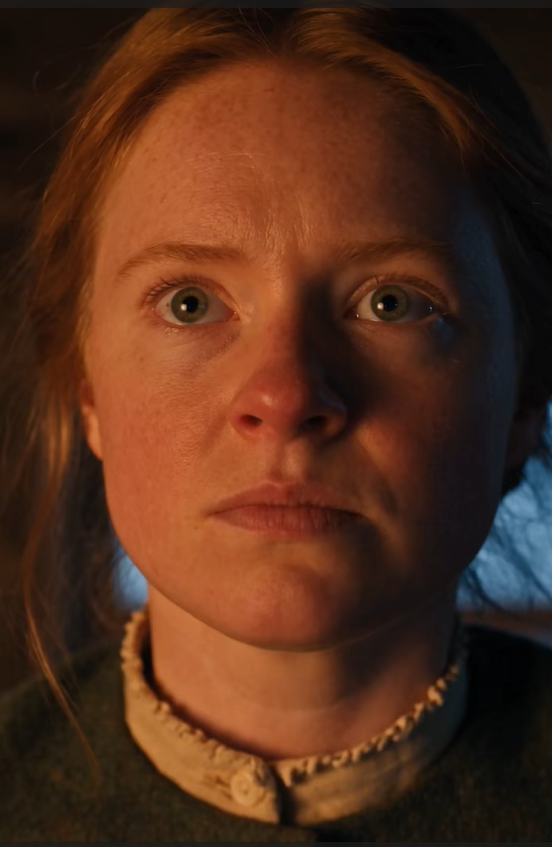
“What is your name?”
“Elena Marlowe.”
“Were you here when she died?”
“Yes.”
“How old were you?”
“Twelve.”
A murmur moved through the guests.
Maxwell remembered no child in the house that week. He remembered his mother speaking about a young violinist she wanted him to meet. He had barely listened.
“Why have you waited fourteen years?”
Elena’s mouth tightened.
“Because for fourteen years, I thought she died because of me.”
Cecilia made a sharp sound.
“Oh, this is grotesque.”
Maxwell turned toward her.
“You knew my mother had a child here?”
“Your mother took an interest in all sorts of unfortunate people.”
Elena flinched.
It was small. Barely visible.
But Maxwell had seen Cecilia produce that same flinch in waiters, gardeners, junior employees. Until that moment, he had mistaken it for authority.
From the landing came another sound: footsteps.
Arthur Bell, Blackthorn’s elderly caretaker, appeared at the top of the staircase.
“Sorry, sir. The corridor door caught the draft.”
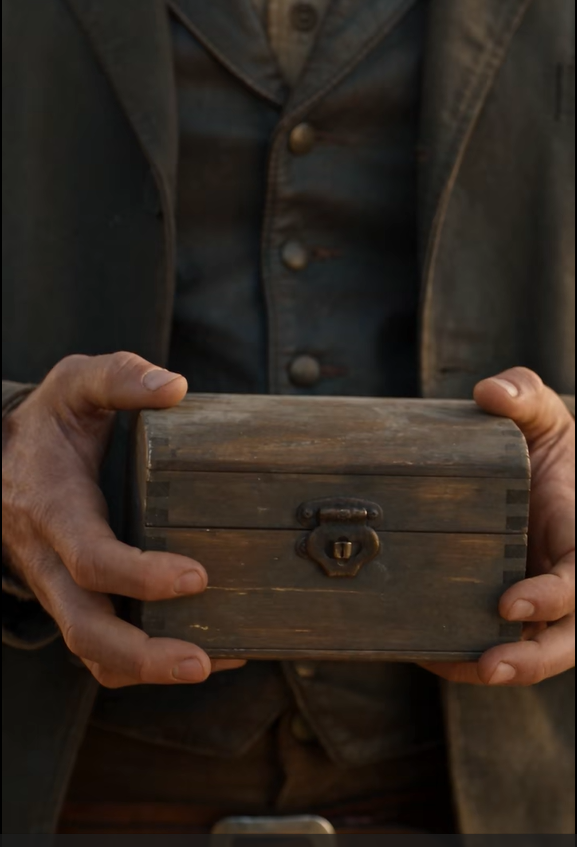
He looked down at the key in Maxwell’s hand.
Then at Elena.
His fingers closed around the banister.
“Good God,” he said.
“You remember her?”
Arthur’s eyes filled.
“I remember taking her breakfast.”
The music room occupied the eastern corner of the second floor.
As a child, Maxwell had fallen asleep beneath its piano while his mother practiced. He remembered velvet curtains, lemon oil, rain against tall windows, and the gentle pressure of her shoe nudging his ankle when she needed the pedal.
After her death, Cecilia had told him Eleanor’s last wish was that the room remain untouched.
There was a letter to that effect.
He had read it once, in the stunned first week of grief, and could not now remember whether he had recognized the handwriting or merely wanted to.
He had left the room locked.
Later, grief became habit. He moved to New York. Blackthorn opened only for maintenance and occasional charity events. The closed door became part of the house.