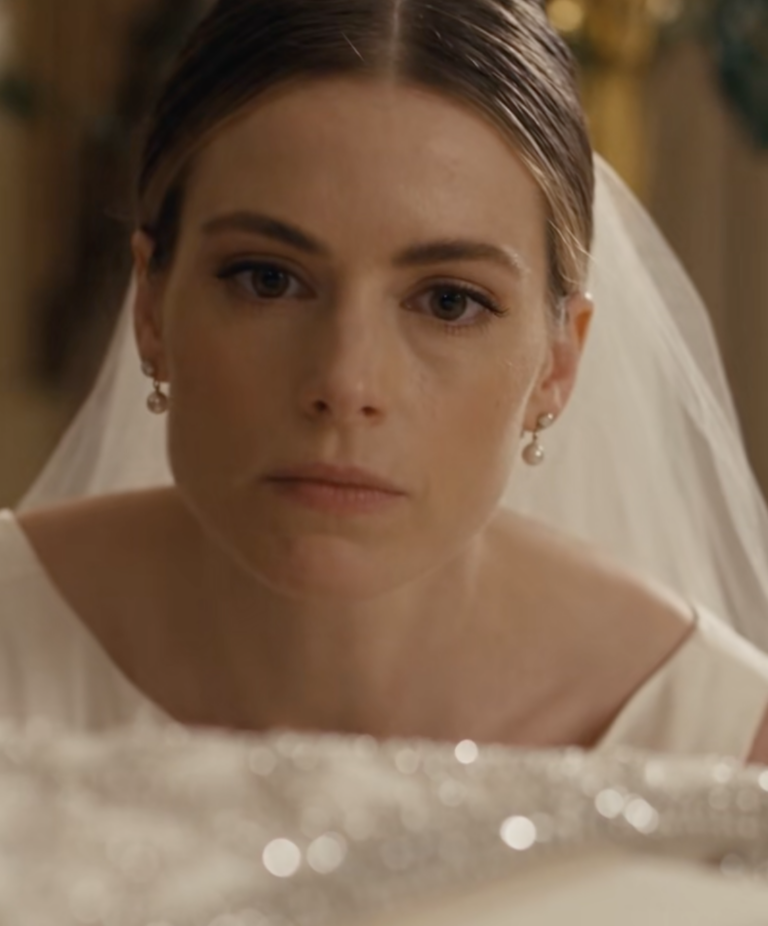
She thought she had been robbed before she ever entered the room.
But my father hadn’t chosen me.
My mother had.
Not because I was her biological daughter.
Because she had watched who I became.
And suddenly the final cruelty of Shelby’s obsession became almost tragic.
She had destroyed fifteen years of friendship trying to steal a victory that had never existed.
There had been no competition.
No winner.
No favored daughter standing between her and some imaginary throne.
Only choices.
My mother had made hers.
Preston had made his.
Shelby had made hers.
And now I could finally make mine.
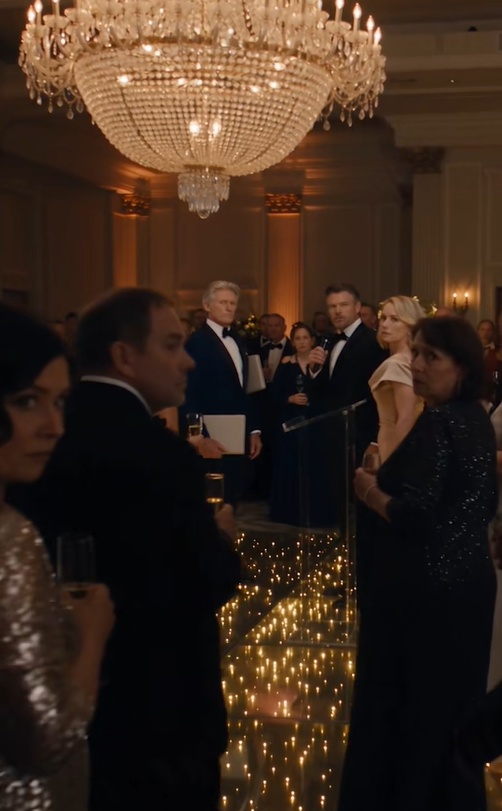
Six months later, Blackwell Family Holdings held its annual foundation gala in the Halcyon Crown Hotel.
The hotel manager quietly asked whether I wanted another ballroom.
I said no.
So I walked into the Imperial Ballroom again.
Same chandeliers.
Same windows.
Same Central Park view.
Different flowers.
No Preston.
No Shelby.
No fear.
Halfway through the evening, I stood beneath those Baccarat chandeliers and gave a short speech about the new Eleanor Blackwell Scholarship Fund for young women entering finance and entrepreneurship without family connections.
When I finished, the room applauded.
I looked toward the table where my mother would once have sat.
For just a moment, I imagined her there.
Elegant.
Sharp-eyed.
Probably criticizing the flowers.
I smiled.
Afterward, I stepped onto the terrace alone.
Manhattan glittered beneath me.
My phone buzzed.
An unknown number.
For a second, something old tightened inside my chest.
Then I opened the message.
It was from an auction house.
A representative explained that an anonymous buyer had purchased an oval-cut diamond engagement ring recently consigned from Shelby Monroe’s collection.
The buyer wished to return something that belonged to me.
Attached was a photograph.
The ring.
My ring.
I stared at it.
Then typed four words.
It never belonged to me.
I deleted the message.
Blocked the number.
And slipped my phone back into my purse.
Inside the ballroom, hundreds of candles glowed beneath the chandeliers.
Laughter drifted through the open terrace doors.
People were waiting for me.
For years, I had thought survival meant getting back what someone had taken.
My husband.
My friend.
My trust.
My old life.
But standing above Central Park that night, I finally understood what my mother had been trying to tell me.
Winning was never about taking anything back.
It was about reaching the moment when you could look at everything they stole, everything they broke, everything they tried to become—
and realize you no longer wanted any of it returned.
I turned toward the ballroom.
Then I went inside.
And this time, nobody was wearing my life but me.