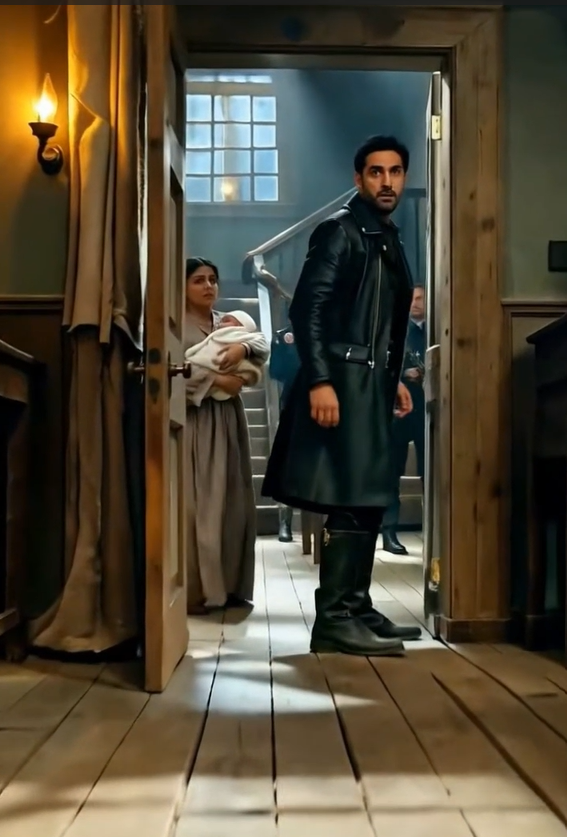
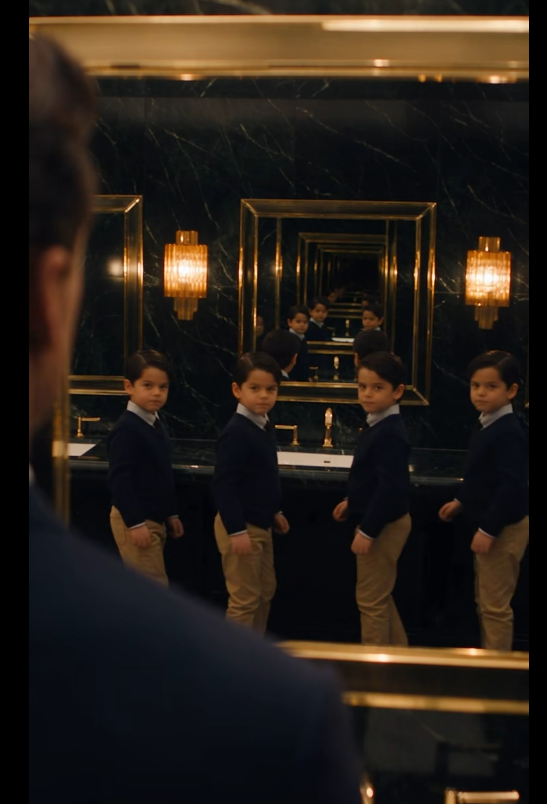
Julian learned bedtime stories.
He learned Noah hated peas but loved broccoli.
He learned Miles could not sleep without the hallway light on.
He learned Lily pretended to be brave during thunderstorms but always crawled into my bed around midnight.
And he learned something else.
Being their father was not something DNA could give him in an instant.
He had to earn it.
To his credit, he did not complain.
Months passed.
Then one rainy evening in November, after Julian had helped all three children build a blanket fort in my living room, I found him sitting alone at the kitchen table.
The children were asleep.
Three mugs of abandoned cocoa sat near the sink.
He looked tired.
Happy.
Terrified.
“Claire.”
I poured myself tea.
“What?”
“There’s something I need to give you.”
My stomach tightened.
He placed an envelope on the table.
“No more letters.”
He almost smiled.
“Fair.”
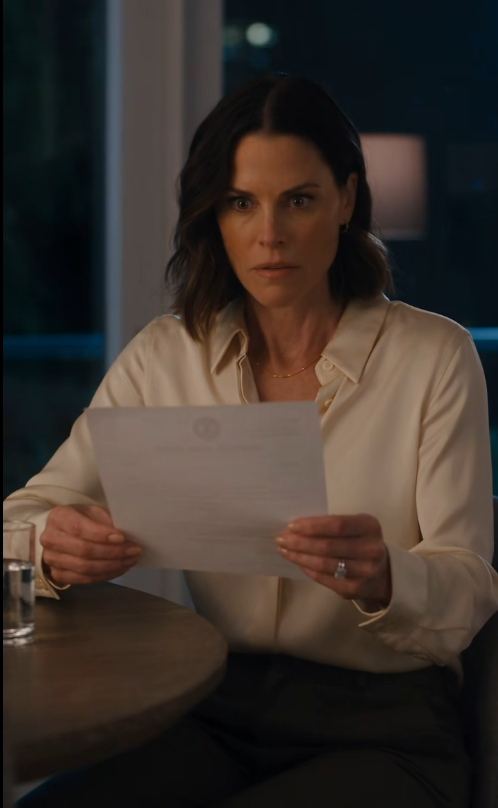
I opened it.
Inside was a legal document.
I read the first page.
Then looked at him.
“You’re giving up the trust shares?”
“Not all of them.”
He folded his hands.
“The shares that belonged beneficially to the children were always theirs.
I’ve created independent trusts for each of them.
You and an outside fiduciary will manage them until they’re adults.”
I kept reading.
Then stopped.
“And this?”
Julian looked at me.
“I resigned as CEO.”
“What?”
“Effective January.”
I stared.
“Why?”
“Because Noah asked me last week if I would still come to his school play if I had an important meeting.”
My throat tightened.
Julian looked toward the hallway where our children were sleeping.
“I missed four years.”
He swallowed.
“I’m not letting a company take the next four.”
I sat down.
For a long time, neither of us spoke.
Then I asked the question I had been afraid to ask for months.
“Did you really never stop loving me?”
Julian looked at me.
“No.”
My eyes burned.
“That doesn’t fix what happened.”
“I know.”
“You failed me before your mother ever forged anything.”
“I know.”
“You let her speak for you.”
“Yes.”
“You were a coward.”
His eyes glistened.
“Yes.”
I hated how much easier it would have been if he had argued.
He continued.
“I don’t expect forgiveness because my mother lied.”
His voice was quiet.
“She was able to separate us because I gave her the opening.”
I looked down.
“I spent years hating you.”
“You had every reason.”
“No.”
I shook my head.
“I had a forged reason.”
He leaned forward.
“You had one real reason.”
I looked up.
“My silence.”
The rain tapped against the windows.
Somewhere down the hall, one of the children turned in bed.
Julian whispered, “If you never love me again, I will still spend the rest of my life being grateful that you let me know them.”
My chest hurt.
“But if there is ever a chance…”
He stopped.
For once, he did not push.
Did not ask.
Did not assume.
He simply waited.
So I reached across the table.
And touched his hand.
Not forgiveness.
Not yet.
But something.
A beginning.
Six months later, Vivian Prescott requested to see me.
Alone.
I almost refused.
Then curiosity won.
We met in the garden of a quiet rehabilitation center outside Connecticut where she had moved after suffering what the newspapers politely called “a stress-related cardiac episode.”
She looked smaller.
Older.
Power had once seemed to enlarge her.
Without it, she was simply a seventy-year-old woman in a gray sweater sitting beneath a flowering pear tree.
“I owe you an apology,” she said.