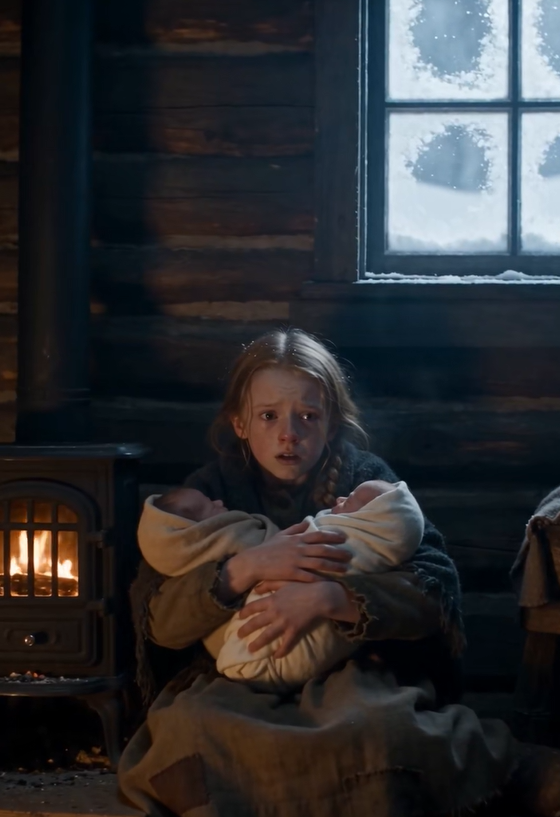
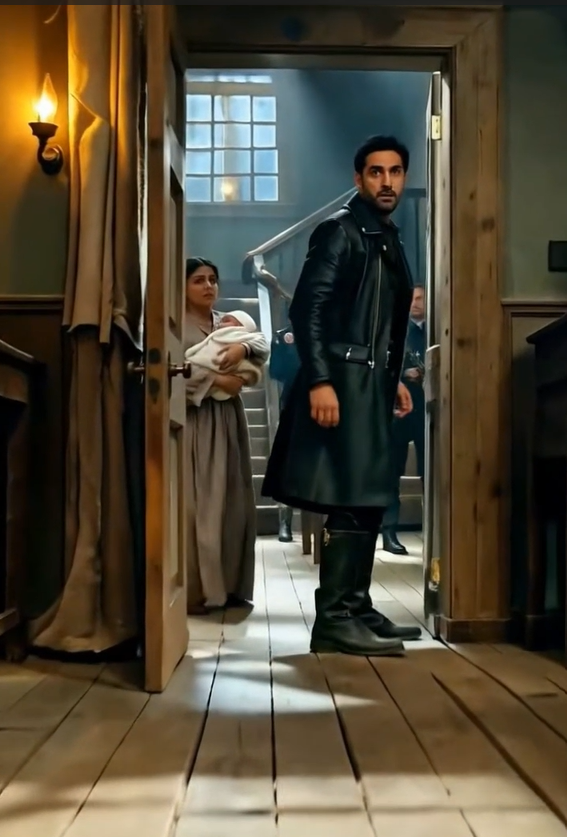
Sarah held it with both hands.
Jack saw the writing.
His heart stopped.
MR. JACK CALLAHAN
PINE HOLLOW DISTRICT
WYOMING
Jack stared.
“What is that?”
“I don’t know completely.”
“What do you mean?”
“It belonged to Matthew.”
The room seemed suddenly colder.
Sarah continued.
“He wrote your name on it years before we married. I found it among his things after the mine collapse.”
Jack snatched the envelope.
“Why didn’t you give it to me?”
“I tried to find you.”
“For two years?”
“There are Callahans all over Wyoming!”
Her voice cracked.
“I asked in Cheyenne. Laramie. Casper. Matthew had written only Pine Hollow District. No town, no ranch.”
Jack stared at her.
“Then Reverend Hale mentioned your name?”
“Yes.”
“So you came here because of this?”
“Yes.”
“Why lie?”
“I didn’t lie about needing work.”
“You let me think—”
“I didn’t know what was inside!”
“You could have handed it to me the first day.”
Sarah’s eyes filled.
“I was afraid.”
“Of what?”
“Of you.”
The honesty silenced him.
“You barely looked at us without pain,” she whispered. “Then I saw the photograph of Lucy.”
Jack glanced toward the picture.
Sarah’s hands began trembling.
“I recognized her.”
Everything inside Jack went still.
“What did you say?”
Sarah took a slow breath.
“I recognized your daughter.”
Jack laughed once.
It was an ugly sound.
“My daughter has been dead six years.”
“I know what you were told.”
“What does that mean?”
“Open the letter.”
Jack stared at the envelope.
Something ancient inside him began screaming not to.
He tore it open.
A folded sheet fell into his hands.
The writing was faded.
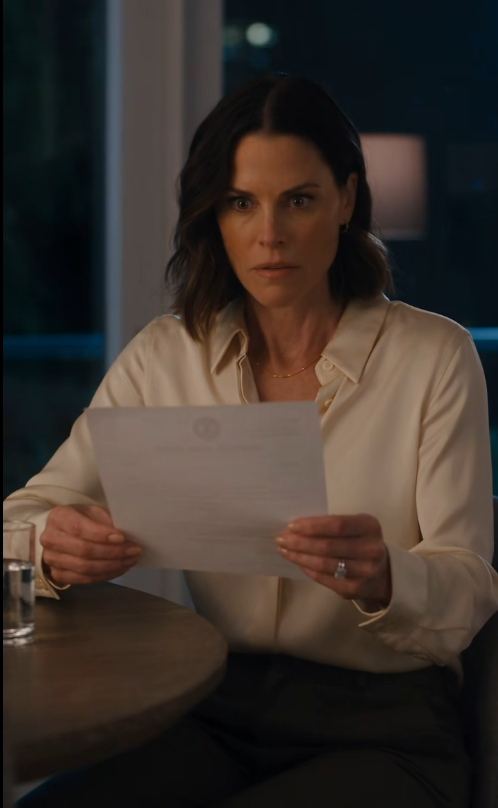
Jack read.
Then read again.
His knees weakened.
Sarah caught his arm.
He pulled away.
“No.”
“Jack—”
“No.”
He read aloud.
Mr. Callahan,
My name is Matthew Collins. In January of 1879 I worked as a relief teamster during the influenza outbreak. I have carried this sin six years and no longer know how to live with it.
On the night of January 14, I drove a wagon carrying sick children from homesteads north of Pine Hollow to the county infirmary.
Among them was a girl marked L. Callahan, five years old, golden hair, blue eyes.
She was declared dead before dawn.
She was not.
Jack dropped the page.
Sarah covered her mouth.
The fire cracked loudly.
Jack picked up the letter again.
His hands shook so violently he could barely hold it.
During the storm, burial tags became separated when the wagon overturned near Cottonwood Crossing. There were two little girls of similar size and hair.
One child was dead.
The Callahan girl woke while we were repairing the axle.
She was burning with fever and could not tell us more than her first name.
By the time I reached the infirmary, I learned a sealed coffin bearing her tag had already been returned for burial.
I told Dr. Merritt.
He ordered me silent.
Jack whispered, “Merritt.”
The county doctor.
The man who had told Jack Lucy was dead.
Dr. Merritt said reopening quarantined graves or admitting the mistake would create panic. He said you were yourself near death and your wife had already died.
I was twenty-two.
I was a coward.
I obeyed.
The girl was transferred south because the infirmary was overflowing. Her records were damaged by water and her surname disappeared. I later learned she was registered as Louise Gray.
She was sent to St. Agnes Home in Cheyenne.