She nodded.
Jack looked toward Gracie, sleeping near the Christmas tree.
“None of that leaves room by disappearing.”
Sarah whispered, “No.”
“It makes the room bigger.”
He took her hand.
“I don’t need you to replace anyone.”
A tear slipped down her cheek.
“I couldn’t.”
“I know.”
“I loved Thomas.”
“I know.”
“I still do.”
Jack smiled.
“Good.”
Sarah stared at him.
Jack lowered himself to one knee.
From the doorway came a loud gasp.
They turned.
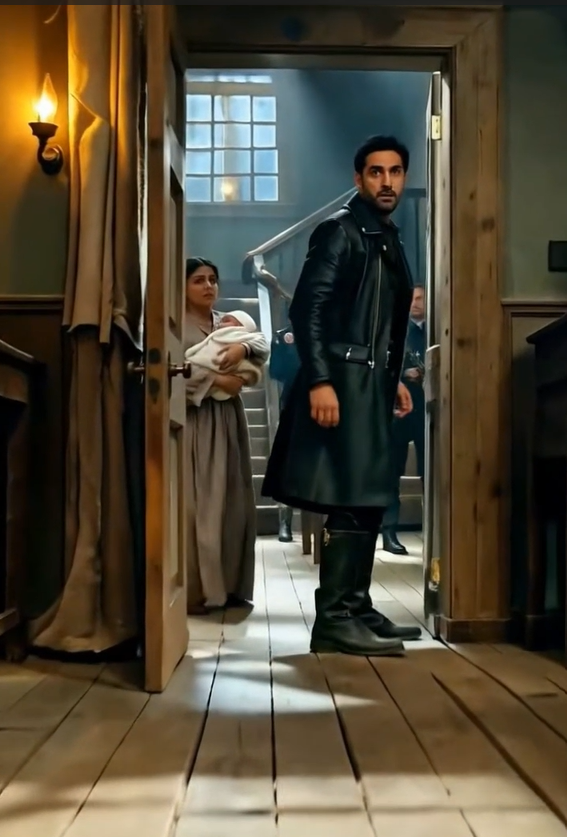
Gracie stood there in her nightdress.
Her eyes became huge.
Jack sighed.
“You were supposed to be asleep.”
“Wedding?”
Sarah laughed through her tears.
Jack looked at her.
“Well?”
Sarah knelt in front of him.
“Yes.”
Gracie screamed.
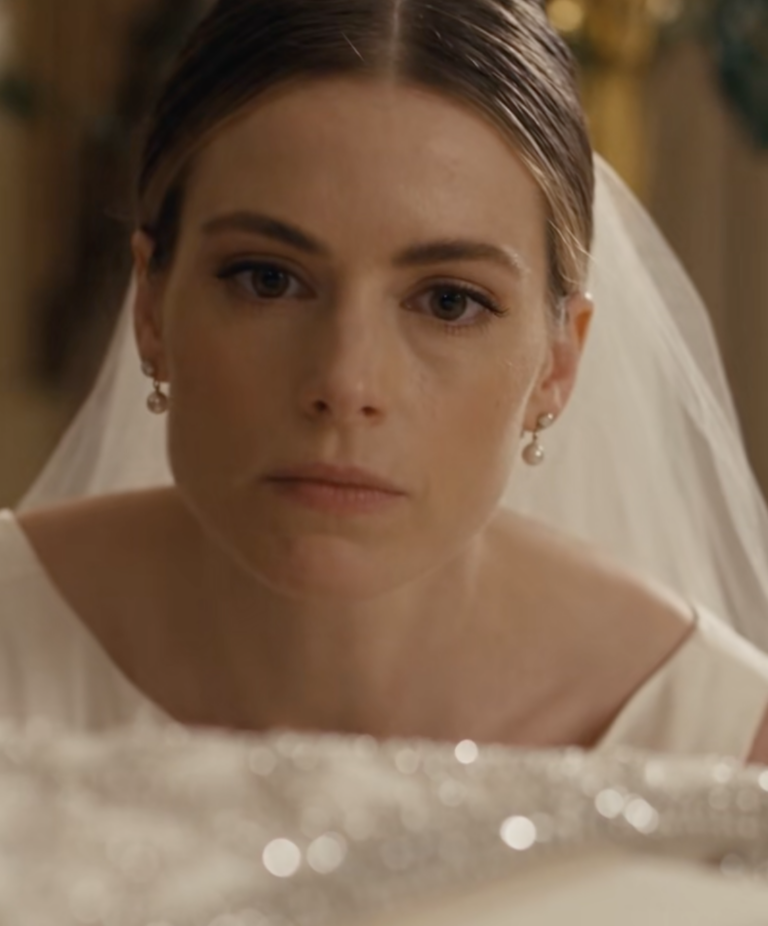
The next spring, they married beneath the cottonwood trees.
Between Mary and Lucy’s graves and the house.
Not because Jack wished to mix sorrow with joy.
Because he no longer believed they were enemies.
Reverend Wilkins performed the ceremony.
Mrs. Parker cried without restraint.
Gracie scattered flowers in every direction except the aisle.
And when the reverend asked who gave Sarah away, Gracie shouted, “ME!”
Everyone laughed.
Jack laughed hardest.
Years later, people would tell the story incorrectly.
They would say a poor widow appeared at the home of a lonely rancher.
They would say her little girl called him Daddy.
They would say love healed him.
That was a beautiful story.
But it was not quite true.
Love did not heal Jack Callahan by erasing what happened.
It did something stranger.
It showed him that grief had lied.
Grief had told him his family ended beneath two cottonwood trees.
Grief had told him every door worth opening led backward.
Grief had told him that loving someone new betrayed the dead.
But on one Christmas Eve, a little girl wandered into his arms and spoke a single sleepy word.
That word led to a letter.
The letter led to a secret.
The secret led to a son Jack had believed dead for twenty-four years.
And that son, without ever meeting his father, had done something extraordinary.
He had sent his daughter home.
When Jack died many years later, Gracie was grown.
She had children of her own.
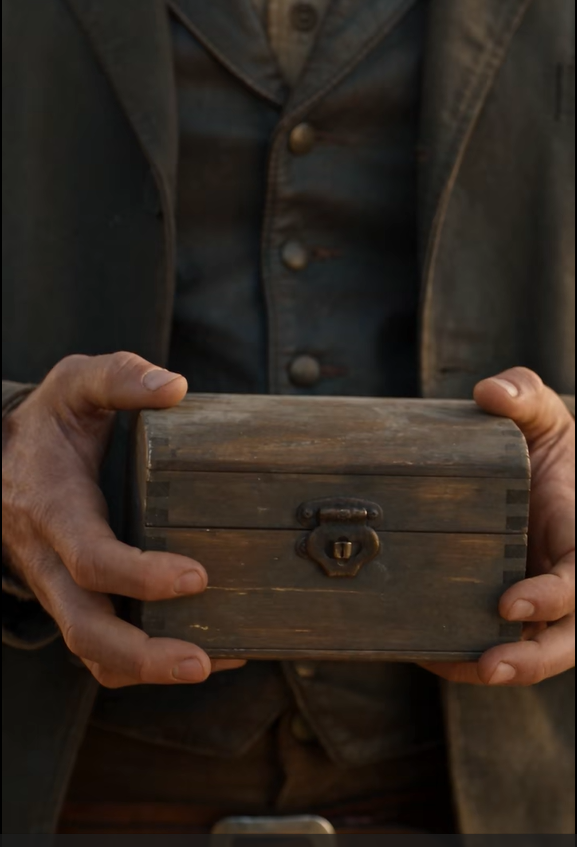
Among Jack’s belongings, she found Thomas’s old letter folded beside Mary’s.
On the back, in Jack’s handwriting, was one final message.
Gracie read it alone beneath the window.
People will tell you that on Christmas Eve you mistook me for your father.
You didn’t.
For one moment, half asleep, you called out to the man you had lost.
But somehow that word woke the father inside me—the one I thought had been buried before you were born.
Below it Jack had written:
Thomas was my son.
Lucy was my daughter.
You were never sent to replace either of them.
You were the proof that love can travel through death, through lies, through twenty-four lost years, and still find the right door.
Gracie pressed the letter against her heart.
Then she noticed something inside the envelope.
A second piece of paper.
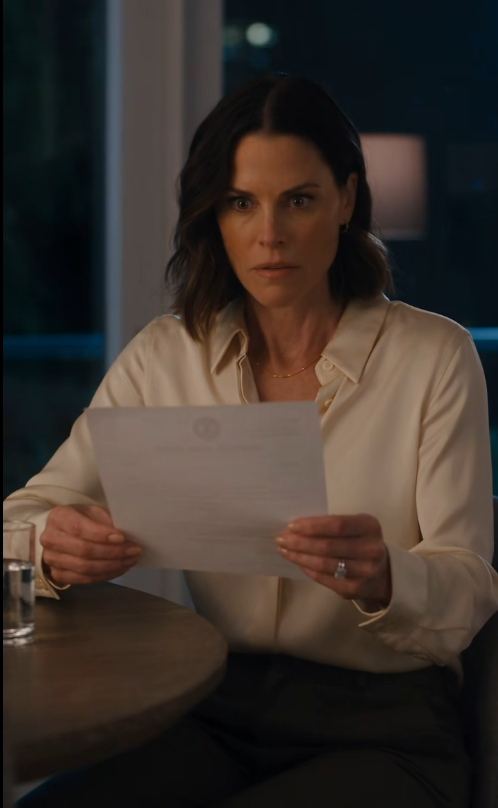
She unfolded it.
It was ancient.
Fragile.
The ink had almost disappeared.
At the top was a date.
December 23—twenty-four years before the Christmas she first came to Callahan Ranch.
Gracie recognized neither handwriting nor signature.
But she knew the name.
Abigail Rusk.
It was a note apparently written to Nora Collins on the night Thomas had been taken.
Only four lines remained legible.
The Callahan woman lived.