Their marketing brochure arrived at Leo’s House by mistake.
I almost threw it away.
Then I saw the starting price for a condominium.
$4.8 million.
Exactly what Julian had planned to sell my entire estate for.
I laughed so loudly one of the volunteers came running.
“What happened?”
“Nothing.”
I looked toward the garden.
Parents sat beneath the oaks.
Children played near the fountain.
The old terrace where Chloe wore her crystal gown had become an outdoor dining area.
Leo’s dinosaur logo hung above the doors.
I thought about what Julian had wanted to build here.
Money.
A new identity.
A fresh start bought by erasing the people who came before it.
Then I looked at what stood instead.
A place created because Leo had existed.
Not because he died.
Because he lived.
That distinction mattered.
I touched the tiny silver dinosaur at my throat.
I still wore it.
Probably always would.
And I finally understood what Julian never had.
You do not get a fresh start by pretending your old life never happened.
You get one by deciding what you will carry forward from it.
I carried Leo.
Not his illness.
Not the machines.
Not the funeral.
Leo.
His laugh.
His crooked dinosaur.
His cheating at Candy Land.
His hatred of peas.
The way he called helicopters “sky trucks.”
The way he slept with one foot outside the blanket.
Those were mine.
Nobody could forge a signature and take them.
Nobody could file a deed.
Nobody could sell them for $4.8 million.
And nobody—not Julian, not Chloe, not grief itself—could make me leave them behind.
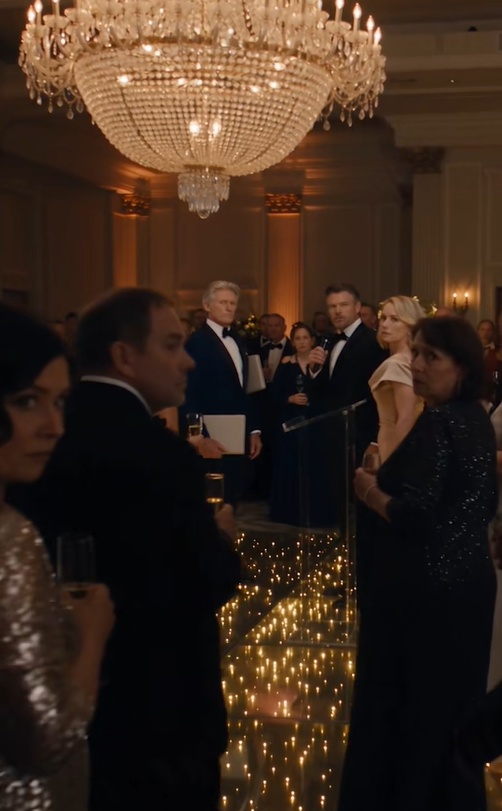
So when people ask me when I knew I had won that terrible night, they expect me to say 9:20 p.m.
When my attorney entered.
Or when the security footage played.
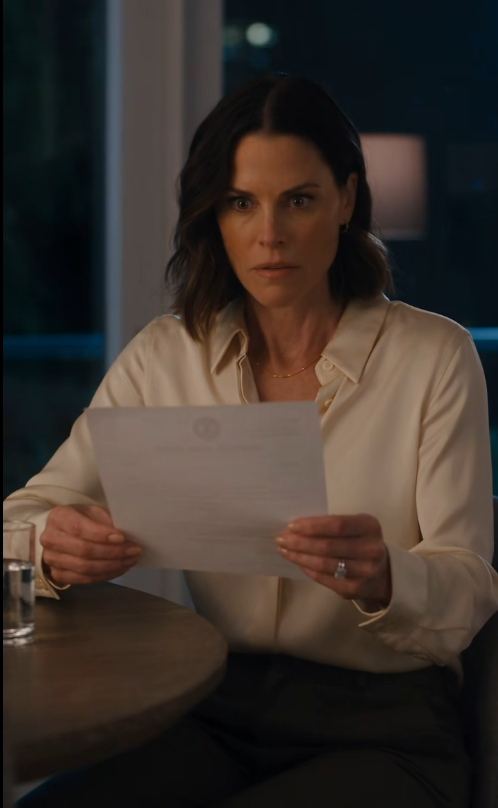
Or when Chloe’s secret marriage certificate appeared.
Or when Julian learned the baby was almost certainly not his.
But they are wrong.
I had already won five nights earlier.
I just did not understand it yet.
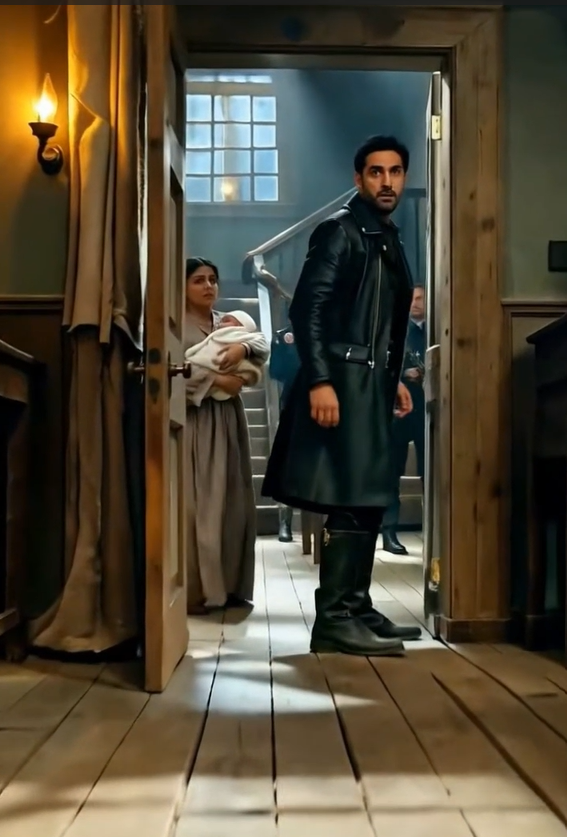
It happened when I stood at my front door with one suitcase in my hand, Leo’s stuffed dinosaur pressed against my chest, and Julian called after me:
“This is best for everyone.”
I walked outside.
Not because he had the right to throw me out.
He did not.
Not because the house belonged to him.
It never had.
I walked out because in that moment I finally stopped begging a man who had chosen cruelty to remember how to love me.
Five days later, I returned.
With the deed.
With the truth.
With witnesses.
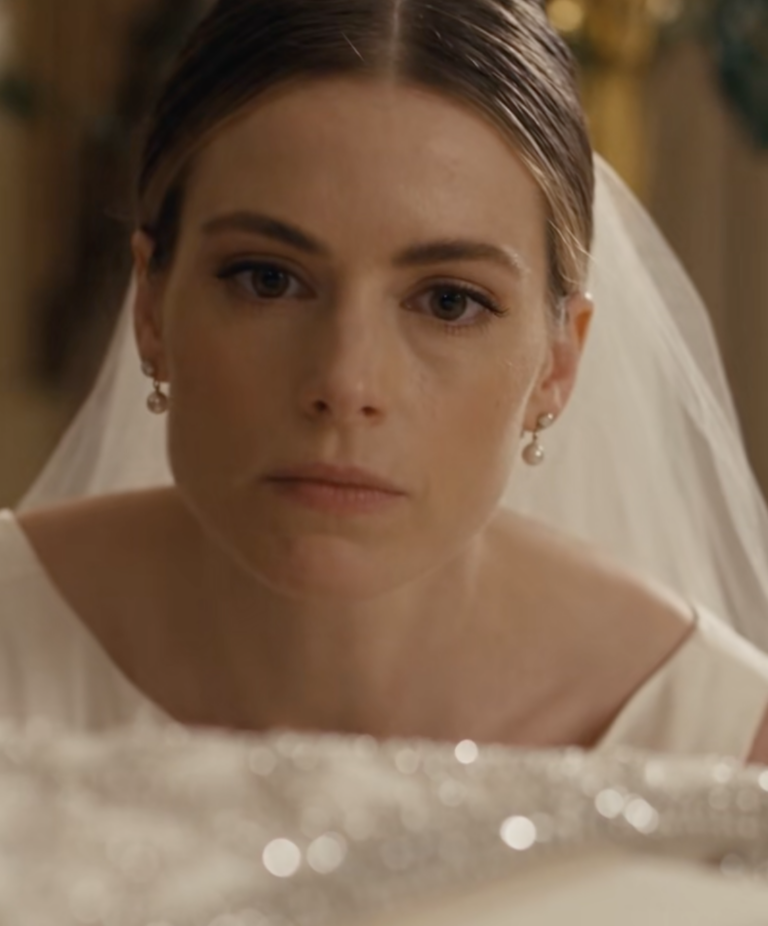
And when I left the ballroom after their wedding collapsed, I did not feel like a woman whose husband had stolen her life.
I felt like something else.
A mother still grieving.
A wife becoming an ex-wife.
A woman standing on land that was legally hers.
But most of all—
I felt like Clara Sterling again.
And for the first time since Leo died, when I looked toward the future, I did not see an empty space where my old life had been.
I saw ground.
Mine.
And I knew exactly what I wanted to build on it.
Tighten the legal and business logicReduce the repeated emotional beats