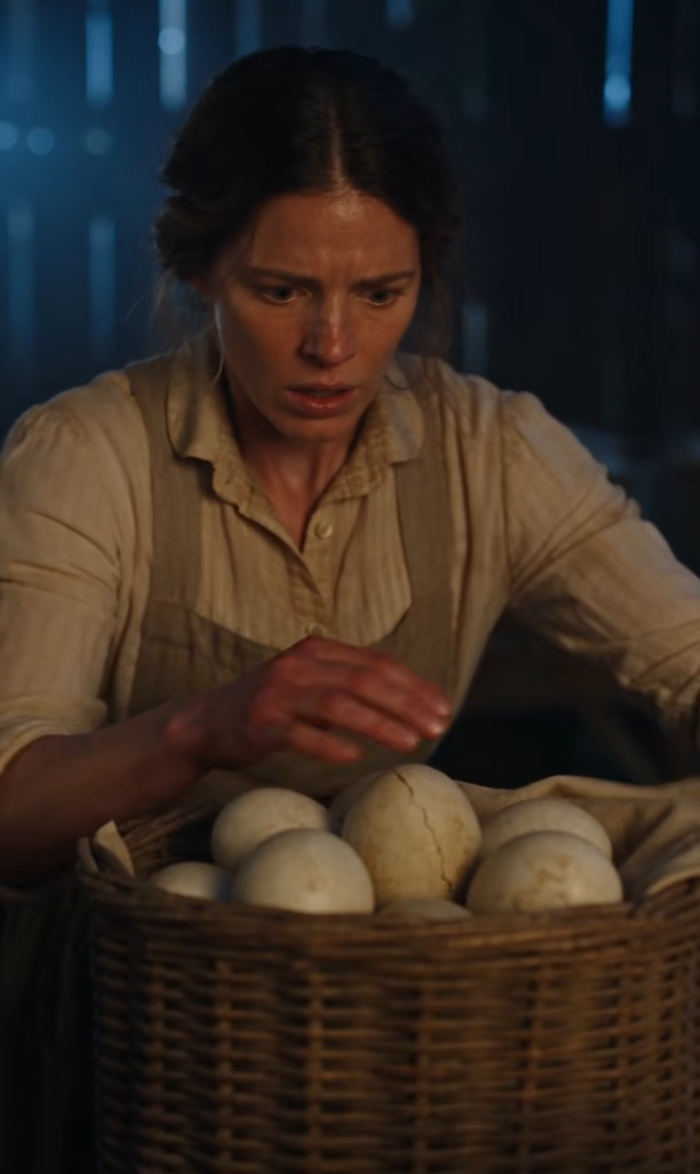
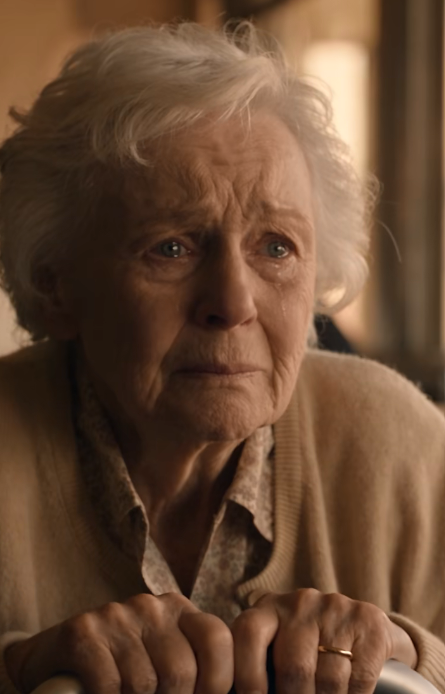
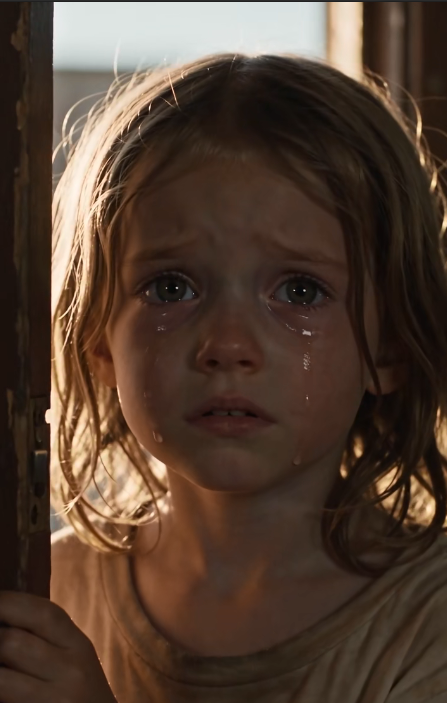
“What is this?”
“The names.”
“What names?”
“All of them.”
Thomas had spent years finding families cheated by Vane.
Widows stripped of farms.
Railroad workers denied wages.
Immigrant families expelled from legal claims.
Men murdered for refusing to sell.
Every shelf represented somebody.
Every paper was evidence.
At the center of the room stood a wooden box.
Mary Ann opened it.
Inside were small envelopes.
Each bore a family name.
Gideon picked one up.
“McCready.”
He knew them.
Everyone did.
The McCreadys had lost their ranch after Owen McCready died and a mysterious deed appeared saying he had sold it three days before death.
Another envelope.
“Han.”
A Chinese family driven from property near Silver Creek.
Another.
“Fletcher.”
“Ruiz.”
“Bennet.”
“Kowalski.”
Dozens.
Mary Ann understood.
Thomas had not been hiding a fortune for himself.
He had been building a weapon to return stolen land to everyone Vane had destroyed.
Jonathan watched her understand.
“That was your husband.”
Mary Ann pressed a hand over her mouth.
She had spent nineteen days wondering why Thomas’s last words had not been I love you.
Now she knew.
Every mile she had traveled had been his way of saying it.
He had given her what mattered more than goodbye.
A mission.
Jonathan whispered, “There’s one envelope with your name.”
Mary Ann found it.
MARY ANN SHAW.
Inside was a short letter.
She recognized Thomas’s handwriting instantly.
Her tears fell before she finished the first sentence.
My Mary,
If you are reading this, then I failed to come home. I’m sorry.
I once believed a man protected his family by standing between them and danger. Then I married you and learned better. Sometimes protection means trusting the person you love to keep walking after you cannot.
Mary Ann covered her mouth.
She continued.
You asked me once why I never wanted to leave Bell Creek. I told you the mountains felt like home. That was only half true.
You were home.
Her shoulders shook.
Gideon turned away.
I knew who your father was before our wedding. I nearly left. Then you laughed at something foolish while hanging laundry behind Mrs. Bell’s boarding house, and I understood that a person is not the worst thing done by the blood that came before them.
Mary Ann sobbed.
Do not inherit my anger.
Give our sons something better.
The land belongs to whoever can prove it. The railroad belongs to whoever controls the debt. But justice belongs to whoever has the courage to use both wisely.
Then came one final line.
And Mary—if Silas is still hiding biscuits under his mattress, tell him mice are less sentimental than his mother.
Mary Ann laughed.
A broken, aching sound.
Silas looked offended.
“I only did it twice.”
She pulled him against her.
Then Samuel.
Her family.
What remained of it.
Behind her, Jonathan slid slowly to the floor.
“Papa.”
Mary Ann hurried to him.
He looked very old now.
Not frightening.
Not mysterious.
Just old.
“I don’t deserve forgiveness,” he whispered.
Mary Ann’s face tightened.
“No.”
He nodded.
“I know.”
His honesty hurt worse than an excuse would have.
She held pressure against his wound.
“I can’t forgive you today.”
“I know.”
“I may never.”
“That’s yours to decide.”
He looked at the twins.
“Just don’t let what I did become what they are.”
Mary Ann closed her eyes.
Thomas’s words echoed.
Do not inherit my anger.
Jonathan Grady survived that night.
Barely.
The storm lasted two days.
By the third morning, Bell Creek believed Mary Ann Shaw and her sons were dead.
Then five riders appeared through the northern snow.
Gideon rode first.
Behind him came Pike and the surviving gunman, their hands tied to their saddles.
Jonathan Grady rode slumped beneath blankets.
And between them, driving a supply wagon discovered in an auxiliary entrance to the cavern, sat Mary Ann.
The twins were beside her.
The steel box rested under her feet.
People poured into the street.
Mr. Bell came running from the mercantile.