Instead, I let her upstairs.
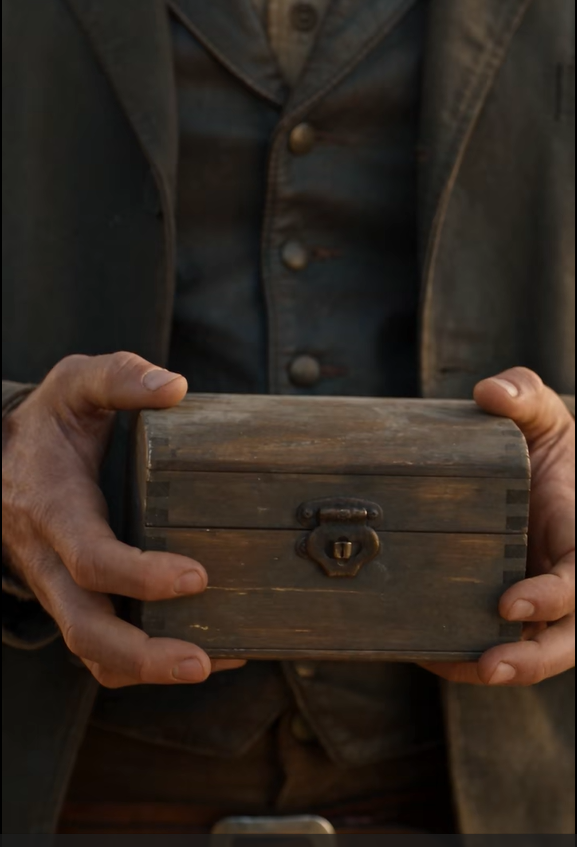
She entered my office and placed the box on the table.
“What is it?”
“The other dress.”
I stared at her.
The glittering gown.
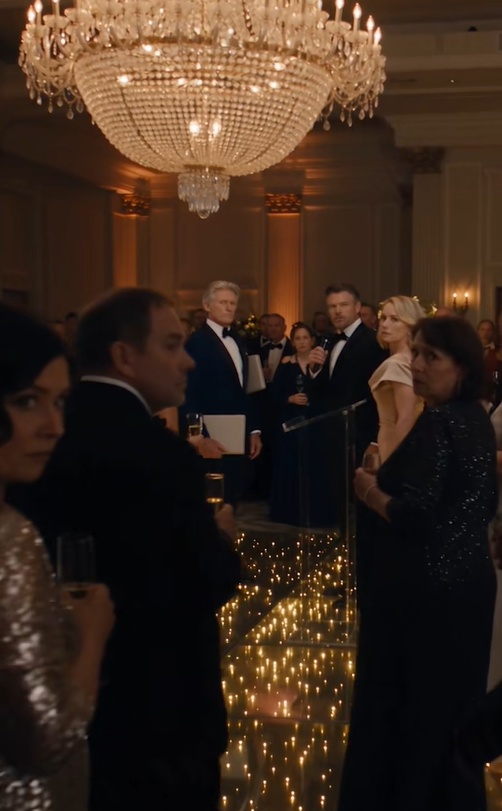
After the wedding, I had left it on the ballroom floor.
“I thought you threw it away.”
“I almost did.”
She opened the box.
Rhinestones glittered beneath tissue paper.
“I don’t know why I brought it.”
I did.
She needed to see it too.
Not as a dress.
As evidence.
She sat across from me.
For several seconds, neither of us spoke.
Then she said, “Your father was going to leave me.”
My breath caught.
“What?”
“Before he got sick.”
That was one secret I had not expected.
“He told me I controlled everyone until they stopped loving me.”
Tears filled her eyes.
“I thought he was cruel.”
I said nothing.
She touched the edge of the box.
“After he died, I convinced myself he had been wrong.”
Her voice broke.
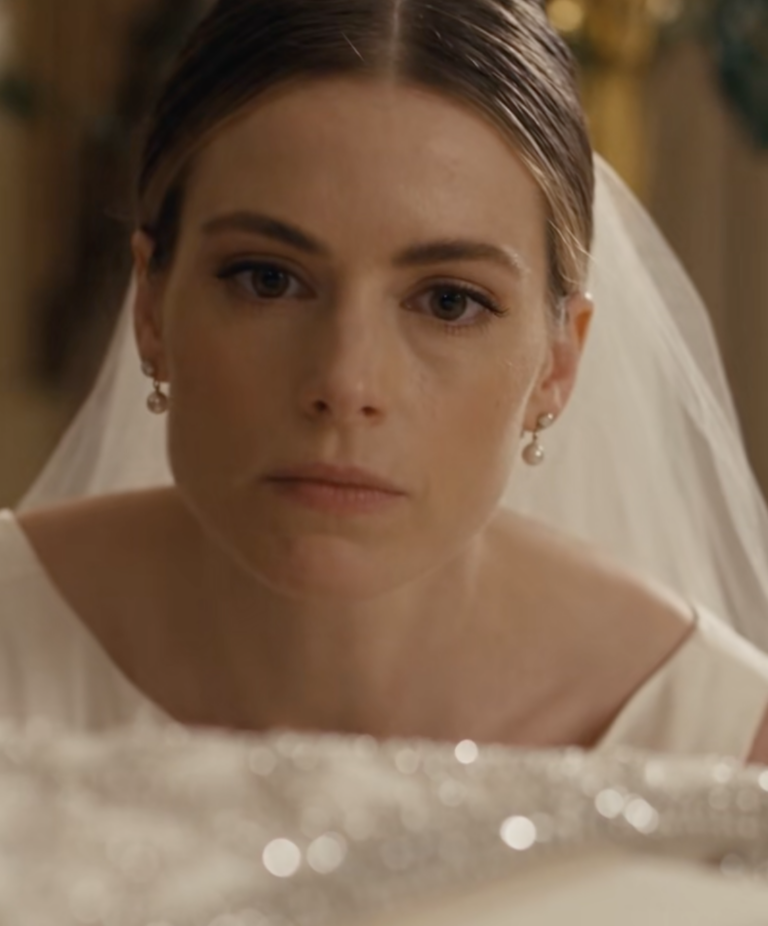
“Then I watched you take that dress off.”
The room went very quiet.
“And I saw your face.”
She looked at me.
“You weren’t angry anymore.”
“No.”
“You were finished.”
That word hurt more than I expected.
She nodded slowly.
“That frightened me more than anything.”
I leaned back.
“What do you want from me?”
“For years, I would have answered that question for you.”
A sad smile.
“I’m trying not to.”
That was not an apology.
Not yet.
But it was the first honest thing she had given me without instructions attached.
I looked at the glittering dress.
Then at my mother.
“Do you know what Dad wrote?”
“Richard told me.”
“Then you know I control the company.”
“Yes.”
“I’m not giving it back.”
“I know.”
“I’m not dropping the audit.”
She closed her eyes.
“I know.”
“And if the investigation finds crimes—”
“I know.”
Her voice cracked.
For a long time, I watched her.
Then I said, “If we ever have a relationship again, it will not be because you’re my mother.”
She nodded.
“It will be because you learn how to have a relationship with me.”
Another nod.
No argument.
She stood.
At the door, she looked back.
“What will you do with the dress?”
I looked into the box.
“I think I’ll keep it.”
She seemed surprised.
“Why?”
I smiled.
“Because it’s the most expensive lesson I’ve ever been given.”
After she left, I carried the box into the design room.
My staff gathered around.
One of my junior architects, Maya, stared at the rhinestones.
“That’s the infamous dress?”
“That’s her.”
“What are you going to do with it?”
I considered the question.
Then I picked up scissors.
Sofia came over that evening.
Together we cut through the silver embroidery.
We separated the tulle.
Removed the rhinestones.
Stripped the dress down until almost nothing remained.
Months later, pieces of it became part of an art installation in the lobby of the first Bennett hotel I redesigned as majority owner.
Not because my mother asked me to.
Because I wanted to.
The installation consisted of a steel frame surrounded by suspended fragments of glittering fabric.
In the center stood a single piece of smooth ivory silk.
On the wall beside it was a small brass plaque.
No mention of weddings.
No mention of betrayal.
Only four words.
CHOOSE WHAT IS YOURS.
People often stopped to photograph it.
They had no idea what it meant.
That was fine.
I did.
Two years after the wedding that never happened, I visited the hotel ballroom alone.
There was another ceremony being prepared.
White flowers.
Candles.
Rows of chairs.
A young bride stood near the altar arguing cheerfully with a florist about peonies.