I watched from the doorway.
For one second, I remembered myself walking into that room wrapped in a dress someone else had chosen, toward a man someone else had introduced, surrounded by a future other people had quietly designed.
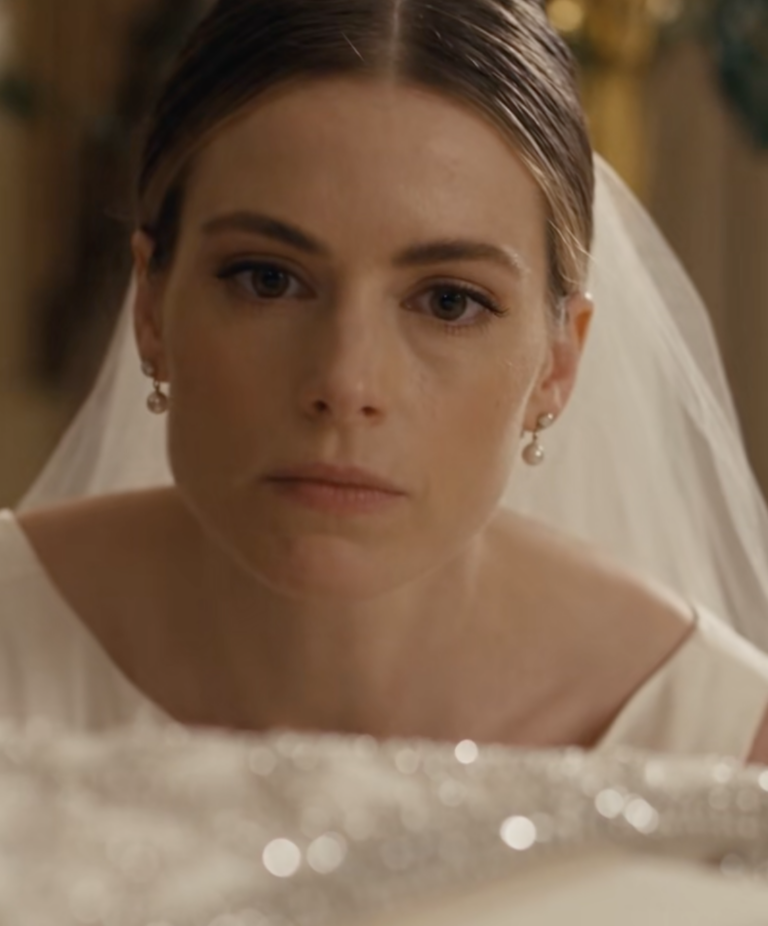
I used to think the great betrayal of my wedding day was that my family stole my gown.
It wasn’t.
The dress was simply the first thing they took that I could finally see.
They had spent years adjusting my life by inches.
Moving people.
Opening doors.
Closing others.
Whispering advice.
Calling manipulation concern.
Calling obedience maturity.
Calling control love.
And I had mistaken peace for freedom because I had learned that surrendering quickly made the arguments end faster.
That wedding taught me something different.
Peace is not the absence of conflict.
Sometimes peace is standing in the center of a ballroom while everyone watches you disappoint them.
Sometimes it is taking off the thing they chose for you.
Sometimes it is returning a ring.
Sometimes it is walking away from someone you still love.
Sometimes it is letting your mother face the consequences of what she has done.
And sometimes freedom does not feel triumphant at all.
Sometimes it feels like grief.
Like silence.
Like an empty altar.
Like three hundred guests staring while your planned future disappears.
But underneath all of that loss, something else waits.
Something quiet.
Something terrifying.
Something entirely yours.
Choice.
I never married Daniel.
Maybe another version of me would have.
Maybe in another life, he would have told me the truth before proposing, and we would have rebuilt everything.
But I stopped living inside alternate lives.
That was another habit I had inherited from my mother—the belief that reality should be forced to match the picture in your head.
I learned to let reality be itself.
My sister became someone I could know instead of someone I had to rescue.
My mother became someone I could love from a distance while she faced consequences I could not soften.
My father became more complicated than the saint I had made him after death.
And I became someone I had never been allowed to meet.
Myself.
I still have my wedding gown.
The real one.
Not in plastic.
Not boxed beneath a bed.
It hangs inside a cedar wardrobe in my apartment.
Sometimes people ask why I kept it when the wedding never happened.
The answer is simple.
Because the dress was never the failure.
The marriage was.
The deception was.
The silence was.
The dress did exactly what it was supposed to do.
It reminded me how I wanted to feel when I looked at myself.
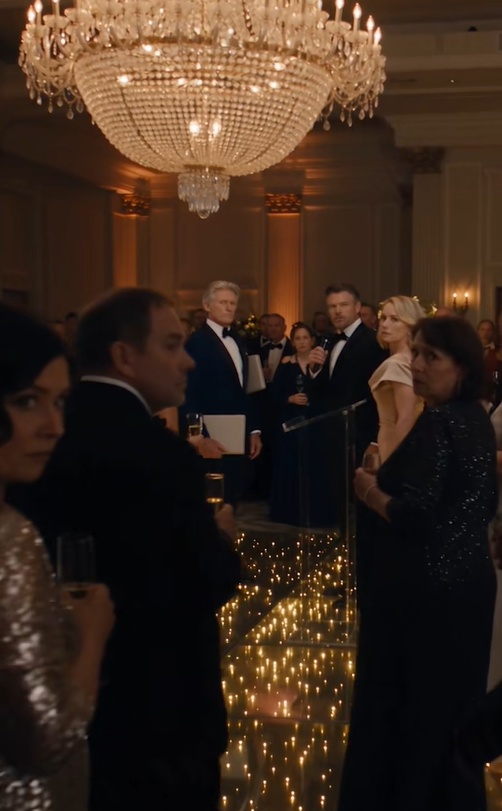
Years later, I still remember that instant beneath the chandeliers when the glittering shell fell away.
My mother screaming.
Lila staring.
Daniel turning pale.
Three hundred guests rising from their chairs.
And beneath everything they had put on me, hidden where none of them could see it, was the choice I had made for myself.
They thought the most shocking thing I revealed that night was the dress underneath.
They were wrong.
The real thing I revealed was that their version of me no longer existed.
And once she was gone, nobody—not my mother, not my sister, not the man I had nearly married—could ever put her back on me again.