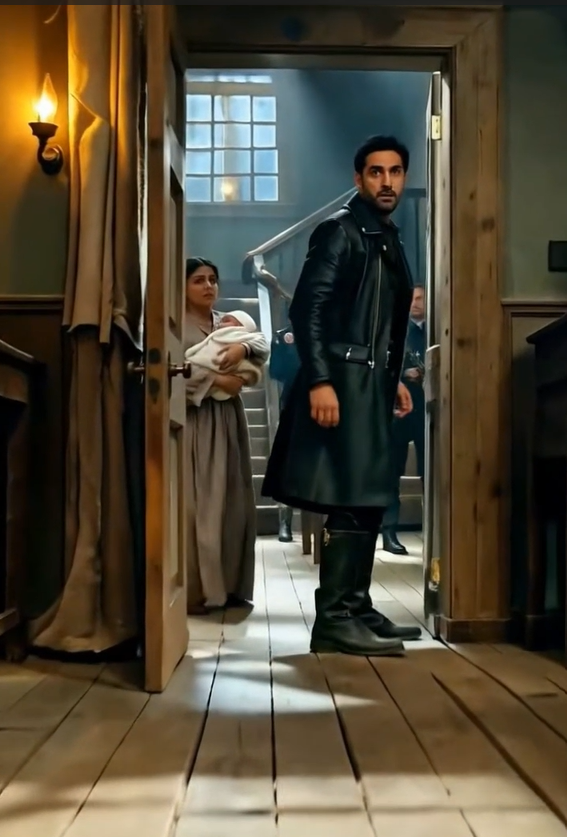
“They were on that table.”
“Maybe Megan moved them.”
I stared at him.
“Do you understand what you’re saying?”
His eyes filled.
“We didn’t mean for this to happen like this.”
That sentence finally broke something.
“Like what?”
He flinched.
“Like me finding out?”
“No.”
“Like me coming home?”
“No.”
“Then tell me, Robert.
How was it supposed to happen?”
His mouth worked.
No words came.
Megan appeared behind him.
“We were going to transition things gradually.”
I looked at her.
“Transition what?”
“The house.”
“From whom?”
She sighed.
“Margaret, be reasonable.”
“I’m trying very hard.”
“You’re seventy.”
“So?”
“You don’t need four bedrooms.”
“I wasn’t aware bedrooms had an age requirement.”
Megan’s jaw tightened.
“You’ve been alone for four years.”
“I know.”
“There are beautiful senior communities nearby.”
“And?”
“They have activities.
Staff.
Transportation.”
“How thoughtful.”
“Robert worries.”
I looked at him.
He looked sick.
“Do you?”
“Yes.”
“Then why did you move your things into my bedroom instead of preparing my spare room for yourself?”
He stared at the floor.
That silence was devastating because I knew my son.
I knew when he was ashamed.
I also knew when he was hiding something.
This was both.
I walked past them.
“Where’s my mail?”
Robert’s head lifted too fast.
There.
David had been right.
Megan said, “What mail?”
“Mine.”
“You’ve been gone two weeks.”
“Mail continues existing during travel.”
“I put some aside.”
“Where?”
“The kitchen, probably.”
“Probably?”
She shrugged.
“I’ve had other things to do.”
Lily spoke from the hallway.
“Grandma.”
All of us turned.
Her face had gone white.
“What is it, sweetheart?”
She looked at her father.
Robert’s expression changed.
“Lily, go downstairs.”
She didn’t.
“Lily.”
“Dad.”
“Now.”
I felt cold.
“Lily, where is my mail?”
Tears filled her eyes.
Megan moved.
“She doesn’t know anything.”
Lily looked directly at me.
“It’s in the garage.”
Nobody breathed.
I turned to Robert.
His face collapsed.
“Why is my mail in the garage?”
He raised both hands.
“Mom, let me explain.”
“No.”
I moved past him.
“Grandma,” Lily whispered, “there’s a box.”
I stopped.
“What box?”
She looked at her mother.
Megan’s expression had become dangerous.
“Lily.”
The girl recoiled.
I stepped between them.
“Do not speak to her like that.”
“She is my daughter.”
“Then perhaps stop making her afraid to tell the truth.”
Lily started crying.
“Grandma, I’m sorry.”
“For what?”
“I should’ve told you before.”
My heart began pounding.
“Told me what?”
Her lips trembled.
“They copied your signature.”
Megan shouted, “Enough!”
Robert closed his eyes.
And suddenly I knew this was bigger than a party.
Much bigger.
I grabbed Lily’s hand.
“Show me.”
The garage smelled like cardboard and summer heat.
Half my storage shelves had been cleared.
Henry’s brown work jacket lay on top of a box marked DONATE.
I picked it up.
For one second, I couldn’t see.
The jacket still carried a faint trace of sawdust and the cedar blocks I stored with winter clothes.
I folded it over my arm.
Then Lily pointed.
A plastic storage bin sat beneath the workbench.
Inside were two weeks of unopened envelopes.
Utility bills.
A gardening catalog.
Birthday card from my sister.
Bank statements.
And one large certified envelope from the county courthouse.
My hands went numb.
I opened it.
Robert whispered behind me:
“Mom, please don’t panic.”
The notice read:
PETITION FOR EMERGENCY CONSERVATORSHIP AND TEMPORARY GUARDIANSHIP.
Petitioner:
ROBERT HENRY WHITMORE.
My son.
I looked at him.
He started crying.
Actually crying.
“Mom—”
I kept reading.
The petition claimed I was suffering from increasing memory loss.
That I had become confused about finances.
That I had left appliances running.