Her eyes flashed.
“What does that mean?”
“You came into my sister’s wedding and made a public spectacle.”
“You provoked me.”
I nearly smiled.
By then I understood Vanessa’s greatest weakness.
She genuinely believed other people caused her behavior.
I stepped closer.
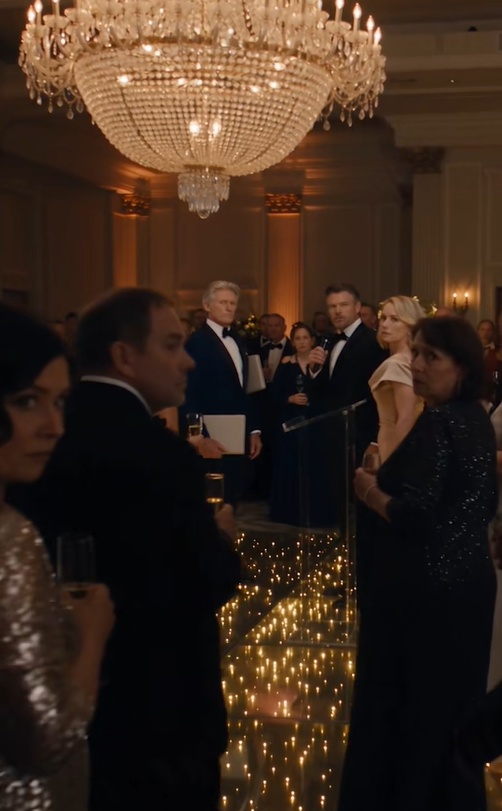
“You spent all evening touching my clothes, insulting me and trying to get me out of this ballroom.”
Vanessa stared at me.
“You thought I knew.”
Silence.
“You saw Marcus speak to me after dinner. You realized security had found something. So you needed me embarrassed, angry, emotional and gone.”
Sophie looked at the torn fabric.
“You ripped her dress deliberately?”
Vanessa scoffed.
“Oh, Sophie, don’t be childish.”
My sister flinched.
I felt something cold move through me.
Sophie had always been softer than I was.
When our mother died, Sophie was twelve.
I was eighteen.
Dad disappeared into work for a while, surviving grief the only way he knew how.
I became the person who remembered Sophie’s lunches.
Her dentist appointments.
Her dance recitals.
Her nightmares.
I helped her choose prom dresses.
I taught her to drive.
When she called me crying from university because a professor had humiliated her, I drove four hours through rain.
Vanessa knew that.
Everyone close to us did.
And still she looked at my sister on her wedding night and called her childish.
I stepped between them.
“Talk to me.”
Vanessa’s smile was almost grateful.
She preferred fighting me.
“Gladly. You have always been unbearably self-righteous.”
“And you’ve always confused cruelty with sophistication.”
A few people gasped.
Dad didn’t stop me.
Vanessa moved closer.
“You think because your father owns this hotel, you’re important?”
“No.”
“Because your surname opens doors?”
“No.”
“Because you run some little design company?”
I almost laughed.
There it was again.
My career.
The thing Vanessa had been mocking all evening.
I had founded Atelier W, a small textile and restoration studio.
We designed custom fabrics, restored historic gowns and worked with costume departments, museums and private clients.
It wasn’t flashy.
I didn’t put my surname in glossy magazines.
Most people at the wedding assumed I bought the silver gown somewhere inexpensive.
Vanessa certainly had.
“You spent all evening telling me my dress was fake,” I said.
“It is.”
“Is it?”
She looked at the torn silver silk.
“Anyone with real taste can see that.”
I reached down.
Unwrapped the cashmere shawl.
The damaged gown became visible again.
Vanessa smiled.
“Cheap material tears.”
“No.”
I touched the ripped edge.
“Old material tears.”
She frowned.
“This silk is eighty-one years old.”
Something in her expression shifted.
I continued.
“It was woven in Lyon in 1945.”
My father suddenly looked at the gown.
Really looked.
His face changed.
“Claire…”
Sophie stared.
I nodded.
“Yes.”
The silver silk had belonged to our grandmother.
Dad’s mother.
Eleanor Whitmore.
There were photographs of her wearing it before she married our grandfather.
The original dress had been destroyed by water decades ago.
Or so everyone believed.
After our grandmother died, I’d found several protected panels of fabric sealed inside a cedar trunk.
I spent fourteen months restoring them.
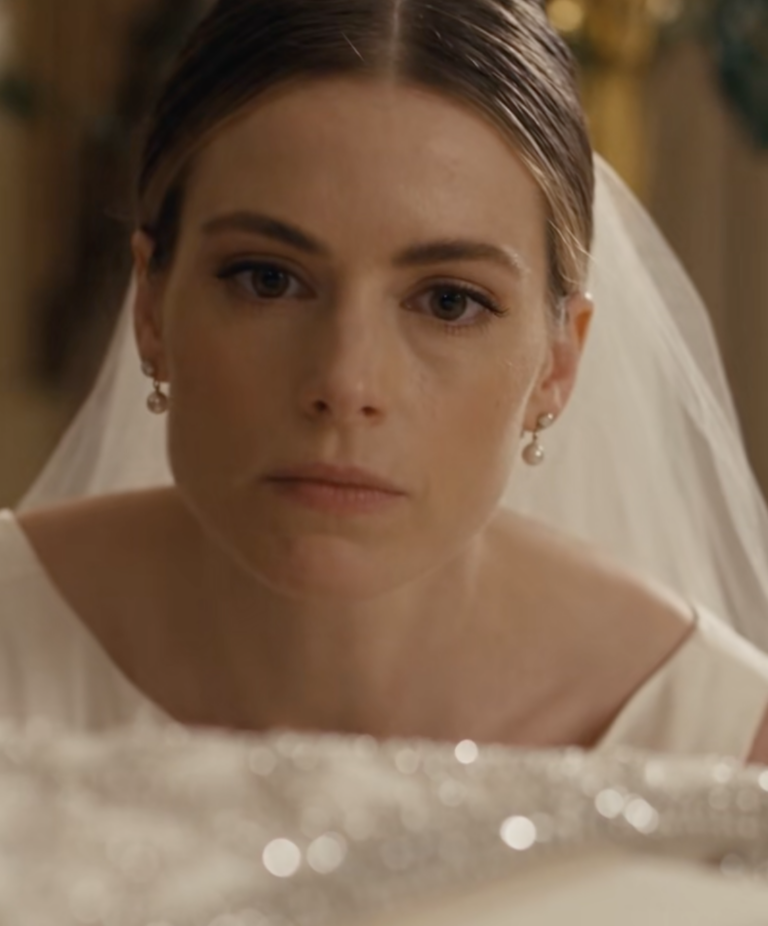
I designed my gown around the surviving textile.