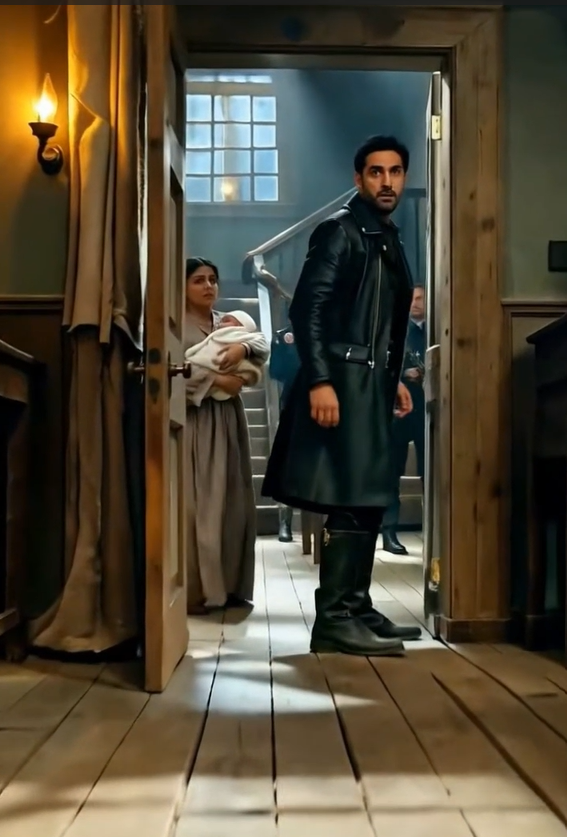
I opened the wardrobe.
Empty.
Checked the garment closet.
Nothing.
“Looking for something?”
I turned.
My mother stood behind me.
She held a porcelain coffee cup with both hands and wore the faint smile she always used when she believed she had already won.
“Where is my dress?”
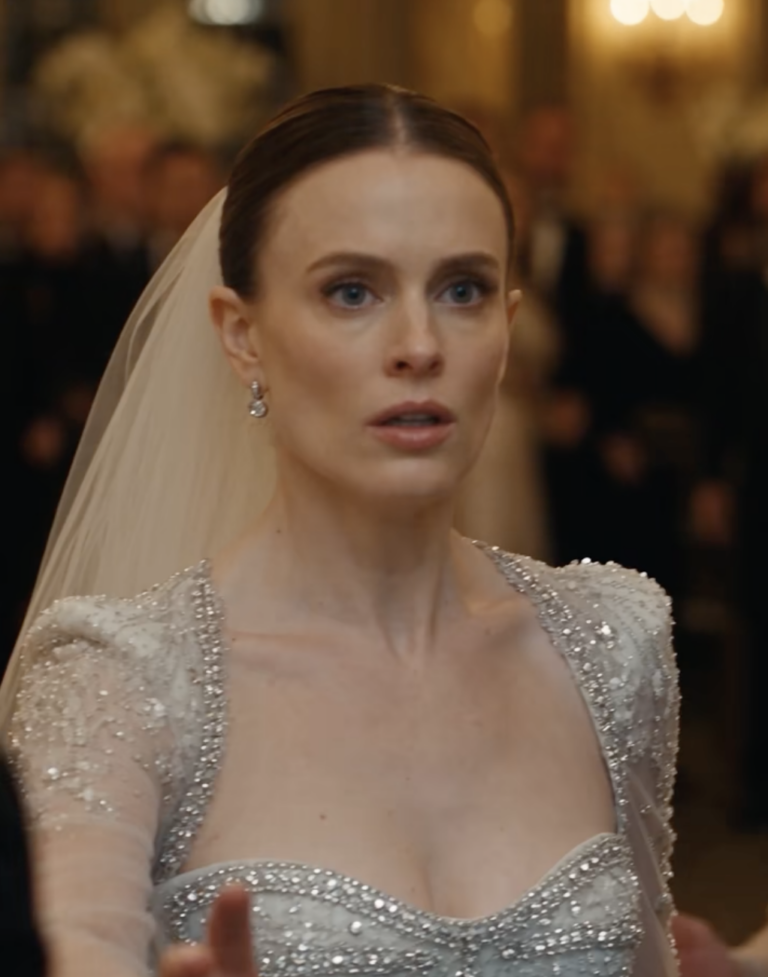
She looked at the glittering gown.
“There.”
“No.”
“Isabella.”
“Where is my dress?”
Her smile tightened.
“There was a problem.”
“What problem?”
“The design wasn’t appropriate.”
For one second, I thought I had misunderstood her.
“My wedding dress wasn’t appropriate?”
“It was too plain.”
“I designed it that way.”
“Yes.
Unfortunately.”
She walked toward the crystal-covered gown and touched one of the sleeves.
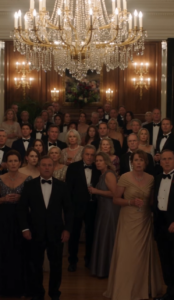
“Our family will be photographed extensively today.
Your father’s business associates will be here.
Half the Whitmore Hospitality board will be here.
People will expect something memorable.”
“It’s my wedding.”
“And you are a Whitmore.”
There it was.
The sentence that had followed me everywhere.
When I wanted to study architectural restoration instead of finance.
You are a Whitmore.
When I turned down a summer internship arranged by one of my mother’s friends.
You are a Whitmore.
When I chose a small apartment downtown instead of the penthouse she preferred.
You are a Whitmore.
When I began dating Daniel Reed, a preservation architect from a family nobody in Charleston society recognized.
You are a Whitmore.
It never meant belonging.
It meant ownership.
“My dress,” I said slowly.
“Where is it?”
The door opened.
My younger sister Lila stepped inside carrying an empty white garment bag.
She was twenty-seven, beautiful in the effortless way my mother valued, with dark hair, enormous brown eyes, and a talent for avoiding conflict by aligning herself with whoever held the most power.
Usually, that person was our mother.
Lila glanced at me.
Then away.
“There were problems with the final alterations,” she said.
I looked at the empty garment bag.
“Really?”
“Yes.”
“What kind?”
“The bodice.”
“What happened to it?”
Silence.
I turned to my mother.
“Did you cancel my dress?”
She lifted her coffee.
“I corrected a mistake.”
Something cold moved through me.
“You canceled it.”
“It had already been handled.”
“How?”
“The atelier was paid in full.
No one lost money.”
“That wasn’t my question.”
My mother sighed.
“There is no reason for dramatics today.”
Then she said the sentence she would later regret more than anything else.
“You’re getting married in five hours.
You’ll wear what is here because you won’t humiliate yourself by making a scene in front of everyone.”
For several seconds, nobody spoke.
My mother waited for tears.
I knew that because she tilted her head slightly, preparing to soften her expression when I broke.
Lila watched me cautiously.
They both expected the same Isabella they had always known.
The girl who swallowed anger.
The girl who apologized after being insulted.
The girl who had learned that resisting Evelyn Whitmore only made the punishment last longer.
So I did the one thing neither of them expected.
I smiled.
“You’re right.”
My mother blinked.
Lila frowned.
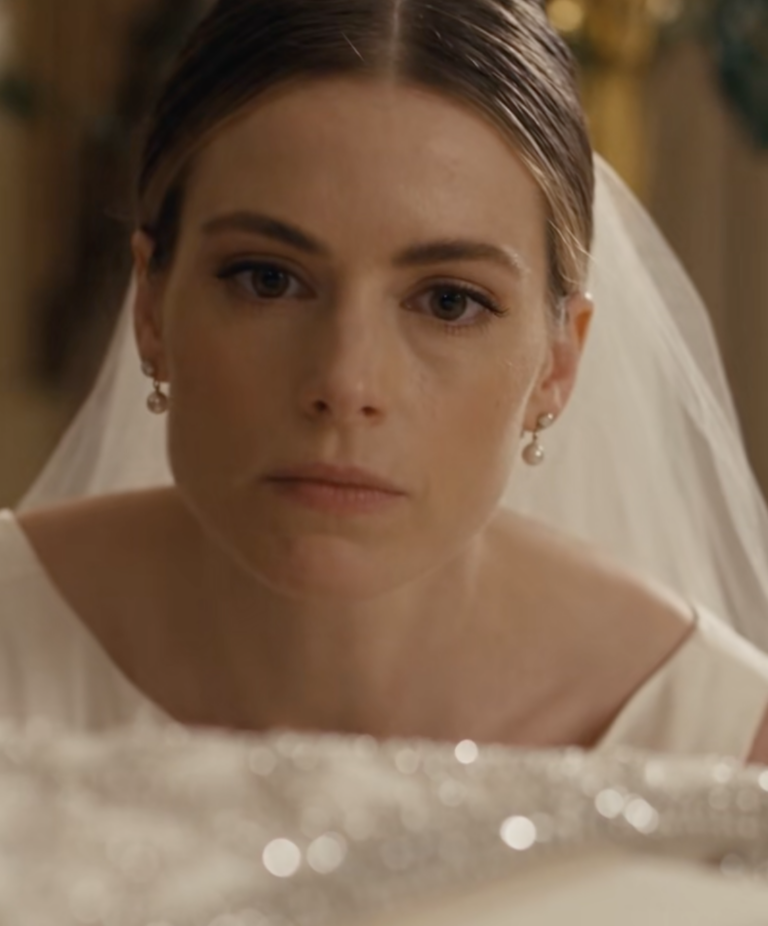
I walked toward the ridiculous gown and touched the crystal-covered bodice.