The Little Girl Asked for Work Instead of Food. What She Carried to My Door Had Been Buried for Fourteen Years.
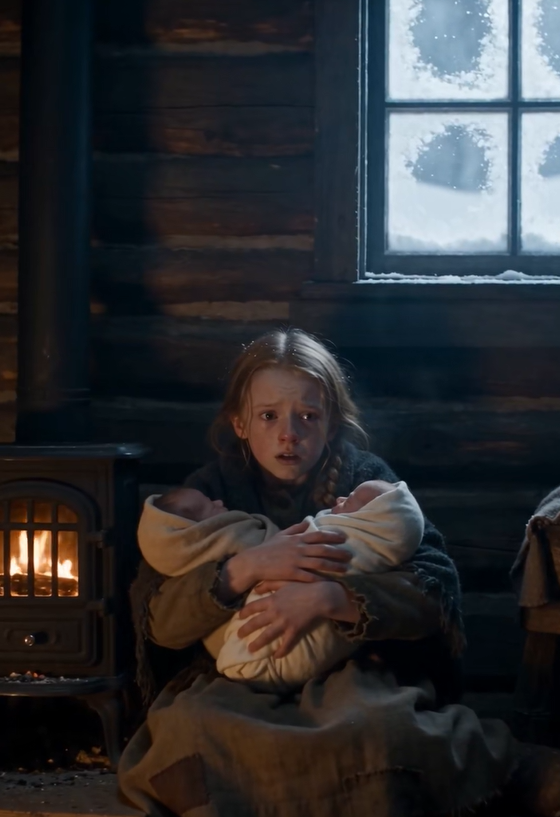
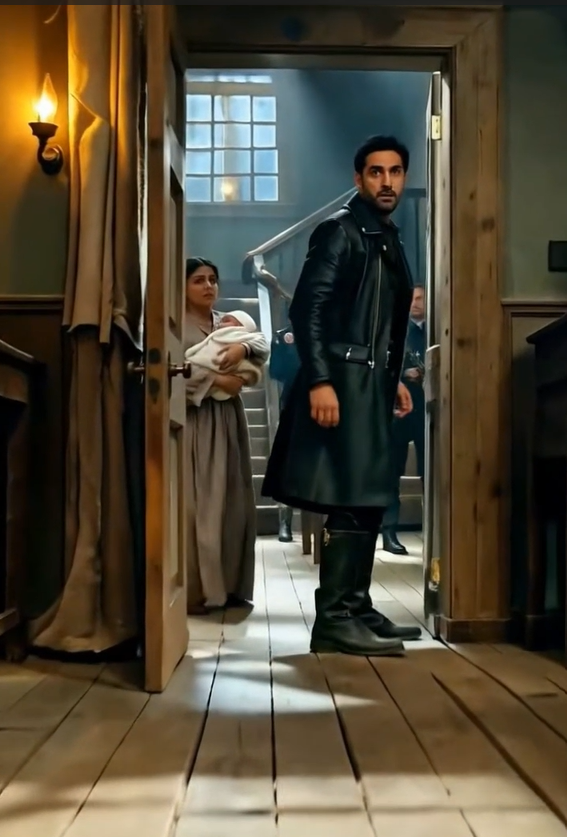
The little girl standing on my porch looked barely strong enough to remain on her feet.
Yet she wasn’t begging for food.
She was asking me for a job.
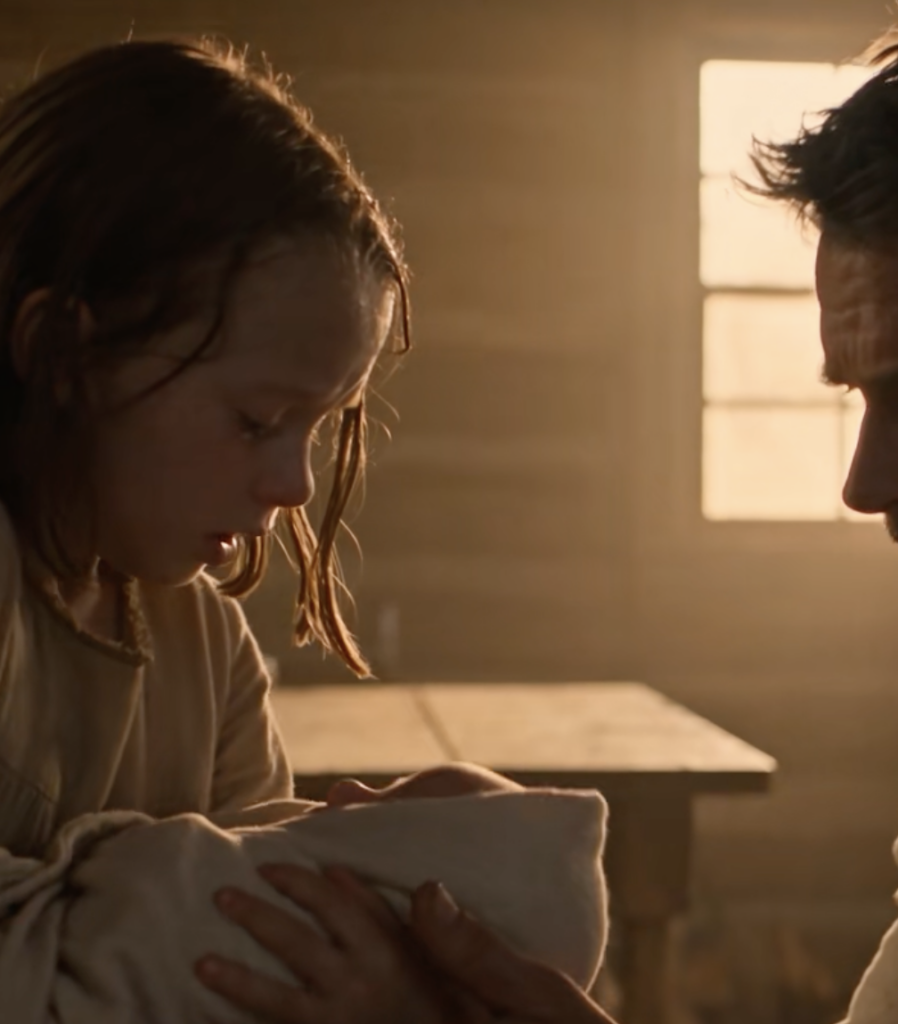
“I can work,” she said, clutching a tiny baby against her chest. “I can sweep. Gather eggs. Carry kindling. I can pull weeds too.”
The child couldn’t have been more than six.
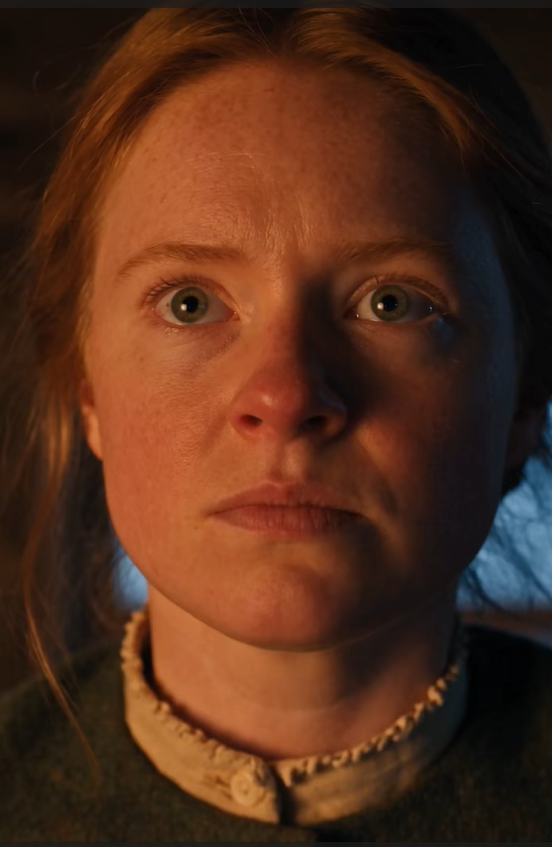
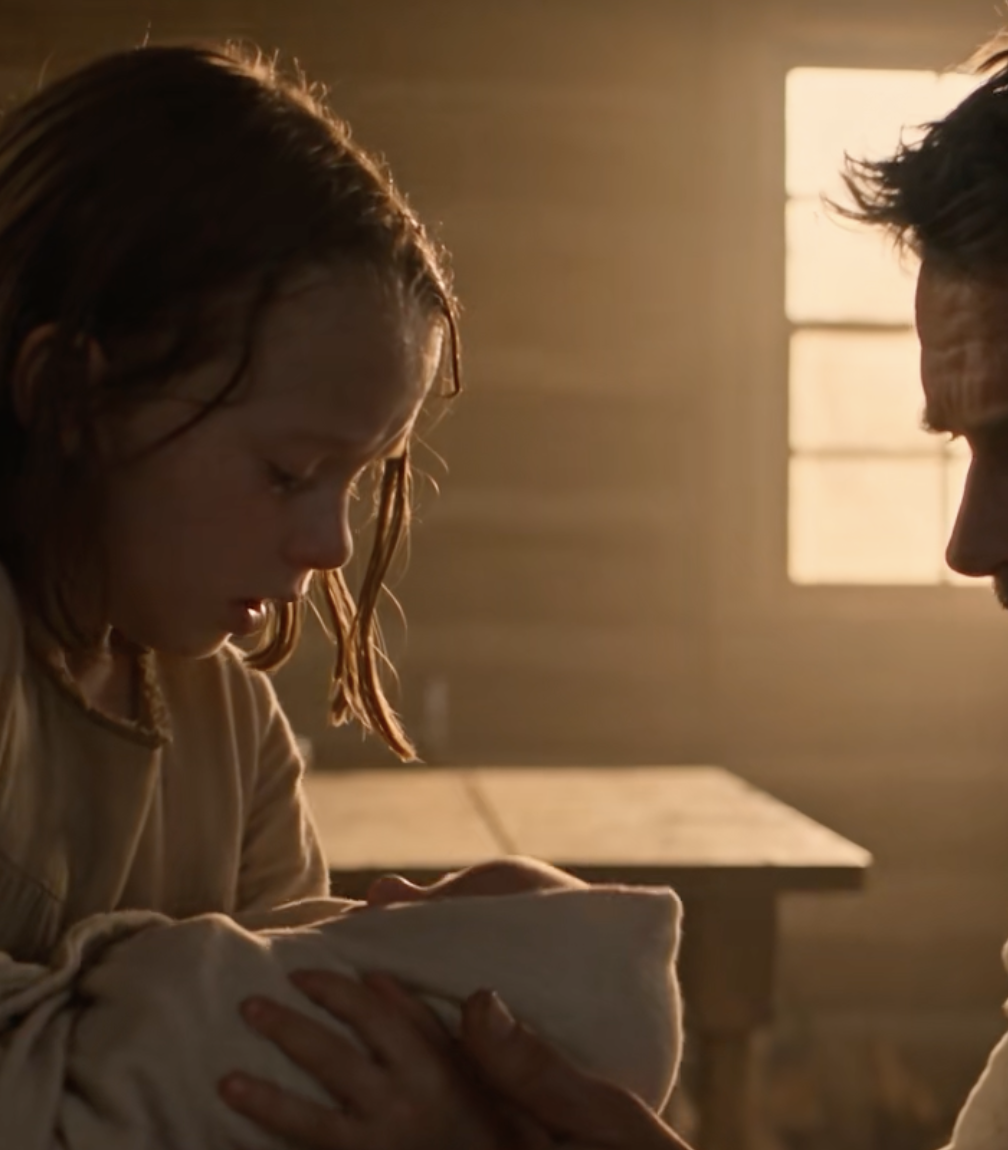
Her bare feet were gray with road dust. A faded blue dress hung loose from her thin shoulders, and damp brown hair clung to her forehead. Tied against her chest with a strip of old flour sack was an infant so still that, for one horrible moment, I wondered whether he was breathing.
The July sun was sinking behind Holt County’s western hills, turning the road the color of rust.
Heat still pressed against my ranch house.
Cicadas screamed from the cottonwoods.
The horses stood motionless in the corral.
And after fourteen years of hearing nobody knock on my door unless they wanted to sell me something, collect something, or borrow something, I found myself staring at two children who looked as though the prairie itself had spit them out.
“My brother hasn’t eaten proper in three days,” the girl said.
I looked at the infant.
He was frighteningly quiet.
“I can work,” she repeated quickly. “I can wash things too, if they aren’t too heavy.”
Her knees trembled.
“How old are you?”
“Six.”
“Name?”
“Rose Kelly.”
She touched the infant’s back.
“This is Samuel.”
“How old?”
“Two months.”
Something tightened beneath my ribs.
A hungry baby ought to cry.
Samuel did not.
His tiny head rested against Rose’s collarbone, his lips pale and dry, his breathing short and shallow.
“Where’s your mother?”
“Dead.”
She said it without blinking.
“Your father?”
“Gone.”
“Gone where?”
“I don’t know.”
“Who are you staying with?”
“My mother’s cousin. Martha Baines.”
That name I knew.
Everyone in Holt County knew Martha Baines.
She washed laundry for families in town, sold bottles of foul-smelling herbal remedies, borrowed coins wherever she could, and had somehow developed the reputation of being dishonest without ever being convicted of anything.
“The county placed you with Martha?”
Rose nodded.
“She gets money for us.”
My eyes went back to Samuel.
“Then why are you here?”
Rose looked toward the road.
“I thought maybe somebody else had work.”
It was the kind of answer a child gives when the real answer is too dangerous.
I stepped aside.
“Bring your brother in.”
Rose didn’t move.
“You hear me?”
“Yes, sir.”
“Then come inside.”
She tightened both arms around Samuel.
“What will it cost?”
I frowned.
“What?”
“The food.”
“Nothing.”
“And milk for Samuel?”
“Nothing.”
“Sleeping here?”
“Nothing, Rose.”
I expected relief.
Instead, the six-year-old stepped backward.
Her eyes changed.
Not surprise.
Not suspicion.
Something older.
Something no six-year-old should have possessed.
Experience.
Then Rose Kelly whispered five words that I would remember until the day I died.