
The sound of my dress tearing was louder than the orchestra.
The sound of my dress tearing was louder than the orchestra.
For one impossible second, the Grand Aurelia ballroom went completely still.
Three hundred wedding guests stood beneath crystal chandeliers and cascades of white orchids.
Waiters froze with silver trays balanced against their palms.
A violinist stopped halfway through a note.
Champagne bubbles climbed silently through hundreds of glasses.
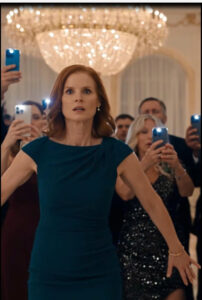
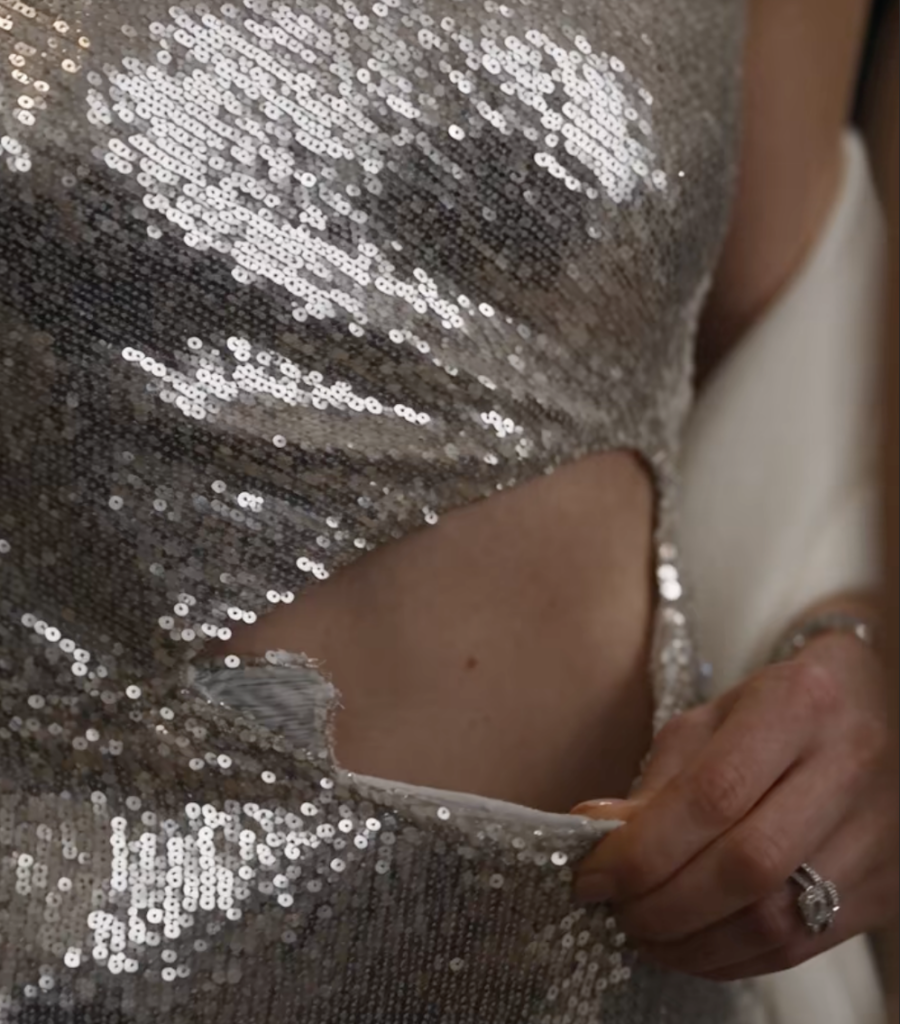
And Vanessa Sinclair stood directly in front of me, holding a piece of my silver gown between two gloved fingers.
She had ripped it away herself.
Not accidentally.
Not discreetly.
Deliberately.
The torn seam ran from beneath my arm almost to my waist.
I caught the fabric before it fell farther, pressing one hand desperately against my side.
Vanessa examined the piece in her hand as though it were something unpleasant she’d found stuck to her shoe.
Then she smiled.
“Cheap fabric,” she announced.
Her voice carried beautifully through the silence.
“Cheap taste.”
A pause.
“
Cheap class.
”
A few people laughed.
Not because it was funny.
Because wealthy people sometimes laugh when they’re terrified of being the next target.
Then the phones appeared.
One.
Five.
Twenty.
Within seconds, half the ballroom seemed to be recording me.
Exactly as Vanessa intended.
My name is Claire Whitmore.
The wedding wasn’t mine.
My younger sister, Sophie, had married Daniel Ashford less than three hours earlier in a ceremony society magazines were already calling
the wedding of the year
.
The reception probably cost more than most people earned in a decade.
Imported orchids climbed twenty-foot columns.
The champagne was older than some of the guests.
A string orchestra played beside windows overlooking the city, while diamonds glittered beneath chandeliers like captive stars.
Everything was elegant.
Everything was expensive.
Everything was carefully controlled.
And then there was Vanessa Sinclair.
Daniel’s aunt.
Vanessa came from the kind of family that didn’t talk about money because talking about money implied you had once needed to think about it.
She chaired museum boards.
Hosted political fundraisers.
Vacationed on islands where ordinary tourists weren’t permitted.
A whispered complaint from Vanessa could remove someone from a charity committee, a private club, or an invitation list before breakfast.
People didn’t argue with her.
They adjusted themselves around her.
Unfortunately, I had never learned how.
That had bothered her from the moment we met.
Earlier that evening, she’d found me beside the champagne tower.
Her gaze traveled slowly from my shoes to my hair.
Then to my dress.
“Interesting choice,” she’d said.
“Thank you.”
“It wasn’t a compliment.”
“I know.”
Her smile had tightened.
Twenty minutes later, she’d cornered me near the terrace.
“Real couture has structure,” she’d whispered.
“Yours looks homemade.”
“My mother made it.”
That stopped her for half a second.
My mother, Evelyn Whitmore, had died seven years earlier.
She’d designed clothes when Sophie and I were children—not professionally, although she could have.
She preferred making things for people she loved.
The silver gown had been the last dress she ever designed for me.
She’d cut the pattern before she became too sick to work and left notes in the margins in her sloping handwriting.