The first thing that terrified me was not David’s tears.
It was the way every nurse in the hallway looked away when I said my husband’s name.
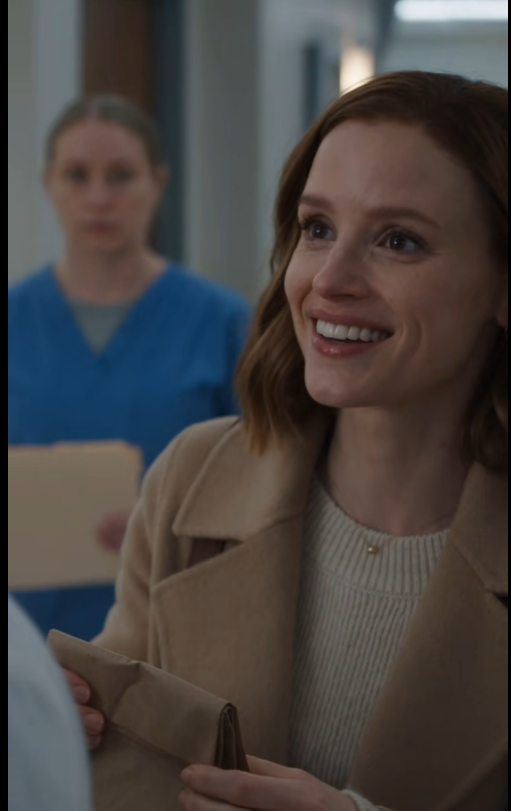
I was standing beneath the harsh fluorescent lights of St. Matthew’s Medical Center with a brown lunch bag clutched against my chest. Inside it was a turkey sandwich on rye, salt-and-vinegar chips, a slice of apple pie, and a ridiculous handwritten note I had tucked beneath the plastic fork.
You don’t have to take care of everyone. Let me have a turn.
Twenty minutes earlier, I had been smiling as I drove through downtown traffic.
Now Marcus’s closest friend was staring at me as though someone had just died.
“David,” I whispered. “Where is my husband?”
His eyes dropped to the lunch bag.
For one terrible second, I thought he might actually cry.
Then he reached gently for my elbow.
“Claire,” he said, “we should sit down.”
“No.”
My answer came too quickly.
Too loudly.
A nurse at the station flinched.
I tightened my grip on the bag.
“People tell you to sit down before they tell you terrible things.”
David swallowed.
“Please.”
“Is he alive?”
His head snapped up.
“Yes.”
The air rushed back into my lungs so violently that my knees nearly buckled.
“Then tell me where he is.”
David glanced toward the elevator at the end of the hallway.
“He’s upstairs.”
“Operating?”
“No.”
“In a meeting?”
“No.”
I stared at him.
Marcus was one of the hospital’s senior cardiothoracic surgeons. For eleven years of marriage, I had understood that emergencies did not care about anniversaries, birthdays, Christmas mornings, or dinners growing cold beneath aluminum foil.
I knew what it meant to be married to a man whose hands could restart another person’s heart.
But during the past year, something had changed.
Marcus had become a ghost who occasionally slept beside me.
He missed Thanksgiving.
Our anniversary.
Our daughter Lily’s eighth birthday.
Sometimes he came home at three in the morning.
Sometimes he did not come home at all.
Whenever I asked questions, his answer was always some variation of the same thing.
“We’re short-staffed.”
“Complicated case.”
“Emergency surgery.”
“Don’t wait up.”
And because Marcus had spent his entire career saving people, I had mistaken secrecy for sacrifice.
I stepped closer to David.
“Where upstairs?”
He closed his eyes for a second.
“Seventh floor.”
I knew enough about St. Matthew’s to understand immediately.
The surgical floors were three through five.
Cardiac intensive care was six.
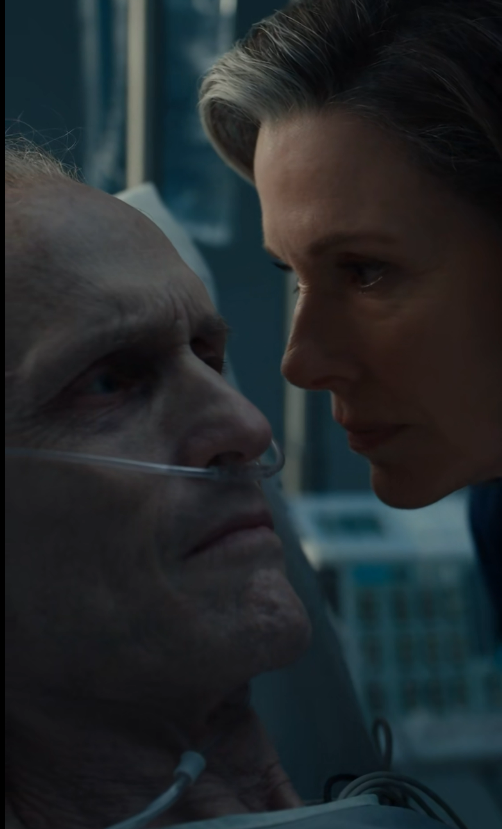
Seven was oncology.
The lunch bag slipped from my hand.
It struck the polished floor.
The apple pie turned sideways inside its plastic container.
“No.”
David crouched to pick it up.
I didn’t move.