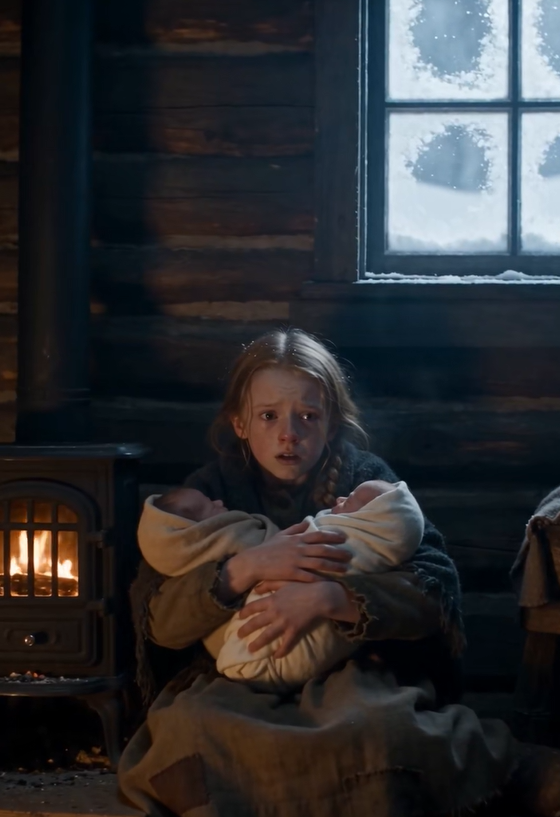
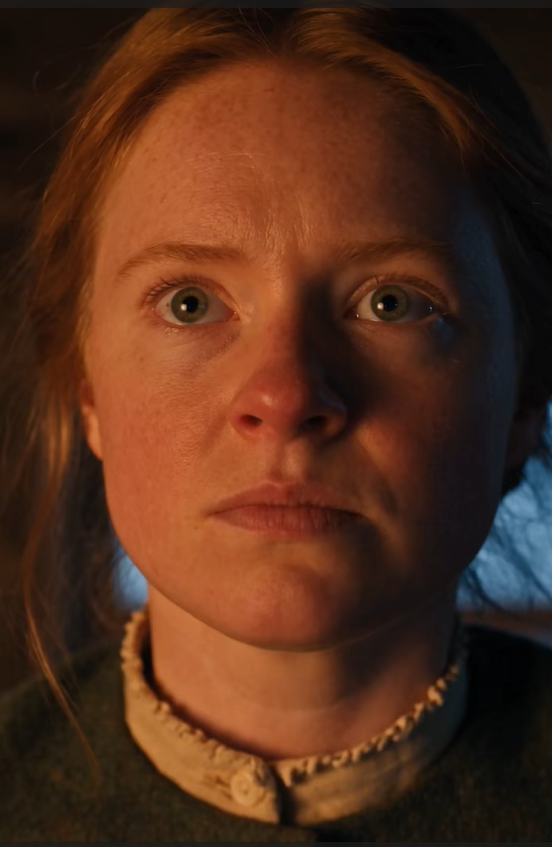
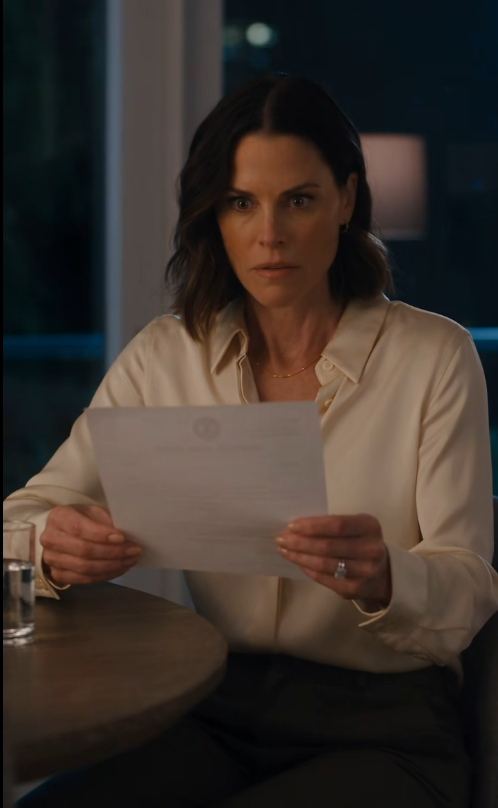
Rowan froze.
She was holding a cup of coffee.
Tap.
Her eyes moved toward the baskets.
A third sound came.
Tap.
The cup slipped from her fingers and struck the floor.
Rowan rushed toward the nearest basket.
She dropped to her knees.
For several seconds, nothing happened.
Then one patched egg twitched.
The beeswax trembled.
A hairline split opened beneath it.
Something inside pushed outward.
Rowan covered her mouth.
“Oh.”
Another basket sounded behind her.
Tap.
Then another.
Tap.
Crack.
Tap.
Crack.
Rowan turned in a slow circle.
All around the barn, eggs were moving.
Dozens.
Then scores.
The quiet room filled with tiny knocks.
A shell near her knee split open.
A small wet beak emerged.
Rowan stared through tears.
The gosling struggled, paused, then pushed again.
The repaired shell broke apart.
A trembling gray body collapsed into the straw.
Alive.
Alive.
Rowan began laughing.
Not delicately.
Not politely.
She laughed so loudly that her old mare kicked the stall wall.
By noon, seventy-two goslings had hatched.
By sunset, one hundred and eighty-nine.
By the next morning, two hundred and forty-six cracked eggs had produced living birds.
Caldwell Flats stopped laughing.
For almost a day.
Then a new kind of ridicule began.
“What exactly is she going to do with two hundred geese?”
“Feed them what?”
“They’ll eat her farm bare.”
“She saved herself into bankruptcy.”
This time, Rowan worried they might be right.
Two hundred and forty-six goslings ate like fire.
Grain disappeared.
Feed costs rose.
The birds seemed capable of turning anything green into dirt within minutes.
Rowan had almost no money.
Three weeks after the hatch, she counted the coins in her kitchen.
Fourteen dollars and twelve cents.
She sat at the table, exhausted.
The goslings chirped loudly in the barn.
She looked at the ledger.
Feed.
Lamp oil.
Roof repair.
Seed.
Taxes due in June.
Her savings would not last a month.
For the first time since picking up the first cracked egg, Rowan considered selling them.
Then someone knocked.
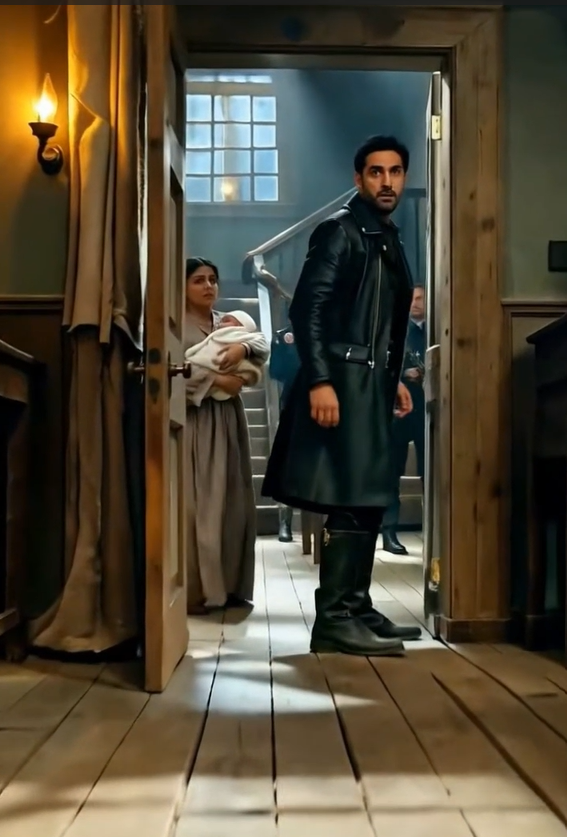
When she opened the door, a tall man stood outside holding his hat.
Elias Ward.
Thirty-one.
Black hair.
Gray eyes.
A scar across his chin.
He operated the small freight office near the railway depot.
Rowan had spoken to him perhaps five times.
He held up a burlap sack.
“Barley sweepings.”
She blinked.
“What?”
“Depot floor.”
He shifted the sack.
“Broken grain. Mill won’t take it. Geese might.”
Rowan stared.
“Why are you giving it to me?”
Elias glanced toward the barn.
“Because half the town wants to be right about you.”
“And?”
“I’ve never particularly liked half the town.”
She almost smiled.
“Thank you.”
He stepped inside the gate, then stopped.
“Rowan.”
Something in his tone changed.
“Where did those eggs come from?”
“A wagon dumped them near my property.”
“What wagon?”
“I don’t know.”
“What did it look like?”
She described it.
Gray wagon.
No markings.
Chestnut horses.
Driver in a gray coat.
Elias’s jaw tightened.
“What?”
He looked toward the road.
“Nothing.”
“That was not a nothing face.”
A reluctant smile touched his mouth.
“I work in freight. Wagons usually have markings.”
“This one didn’t.”
“Exactly.”
“Why would that matter?”
Elias hesitated.
Then shook his head.
“Probably doesn’t.”
He left the barley.
But Rowan watched him walk away.
And for the first time, the eggs felt less accidental.
By May, the goslings had become young geese.
They followed Rowan everywhere.
Across the yard.
Past the well.
Through the flooded pasture.
Even onto the porch if she forgot to shut the gate.