Elena refused the interview requests.
For once, she did not have to explain herself to strangers in order to be believed.
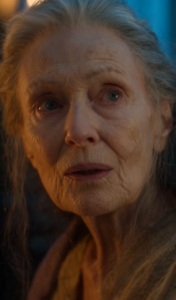
Eleanor’s recovery was neither quick nor graceful.
Some mornings she remembered everything.
Other mornings she woke frightened that the new room was another room she could not leave.
The doctors were careful.
The care plan changed as they learned what years of neglect and medication had done.
Maxwell rented a modest house near the water, with wide windows and a bedroom door Eleanor could lock from the inside.
He asked before entering.
Every time.
At first, she apologized for needing that.
Eventually, she stopped apologizing.
He visited daily, but they did not always know what to say.
Twelve years contained too much.
His promotions.
Her birthdays.
The first silver hair he noticed in the mirror.
The winters she counted by the sound of wind against the shutters.
Once, she asked whether he had been happy.
He wanted to protect her.
Then he remembered how much harm had been done in the name of protection.
“Sometimes,” he said. “Not as often as people thought.”
She reached for his hand.
“I’m glad there was sometimes.”
It was the first conversation they had that felt less like surviving and more like being mother and son.
Mara was buried under her own name on a clear morning in April.
Elena chose a place beneath a maple tree.
No elaborate monument.
Just her name, her dates, and a line Elena had written after staring at a blank page for hours.
She came back whenever she could.
Eleanor stood beside Maxwell, wearing a blue coat she had chosen herself.
Ruth, the retired housekeeper, brought flowers.
A few former neighbors came.
The woman who had watched Elena after school arrived carrying a photograph nobody else possessed: Mara asleep on a sofa, a little girl sprawled across her chest.
Elena held it so carefully that her fingers hurt.
At the graveside, she played the antique violin.
Not The Harbor Lullaby.
Something brighter.
A tune her mother danced to while washing dishes.
Halfway through, Elena’s bow faltered.
She stopped.
No one moved.
Then Eleanor began humming.
Ruth joined her.
Elena lifted the bow again.
And together, imperfectly, they finished.
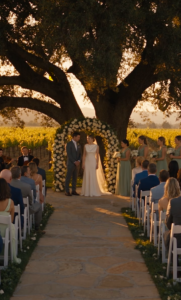
A year after the wedding, Halcyon House opened its music rooms to the public.
The east wing was no longer a sealed corridor.
Its doors stood open.
Children came for lessons funded through the restored foundation. Adults attended evening classes. A separate fund supported families trying to locate missing relatives and challenge suspicious care arrangements.
Maxwell had wanted to put Elena’s name above the entrance.
She refused.
“Put hers.”
So he did.
The Mara Marlowe Music Rooms.