Instead, she began documenting what was happening.
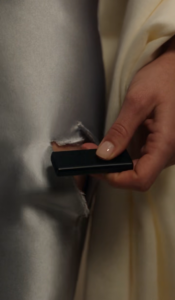
She photographed medication labels.
Copied appointment records.
And promised Eleanor she would contact Maxwell, who was working in London.
“The night before your mother disappeared,” Pierce said to Elena, “she confronted Philip.”
Elena could hear her own pulse.
Nothing else seemed real.
Not the candles.
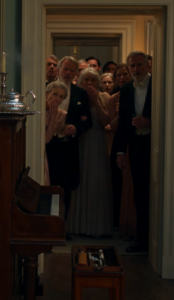
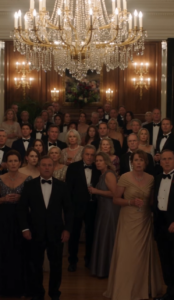
Not the strangers watching from the doorway.
Not the violin against her ribs.
“She said she had copies. She said she was leaving.”
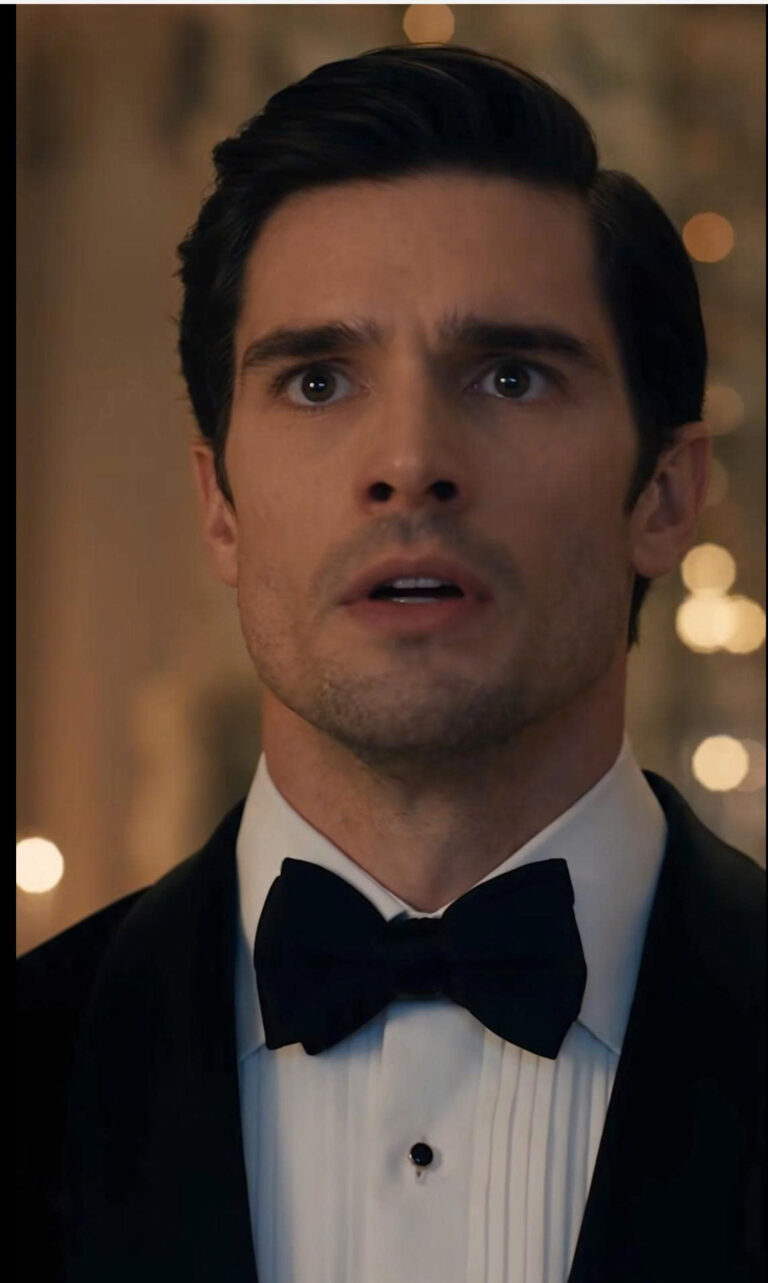
“What happened?” Maxwell asked.
Pierce looked toward Vivienne.
Vivienne’s face had become perfectly still.
“Philip tried to take her bag.”
Elena saw it without wanting to.
Her mother’s brown leather bag.
The one with the broken inside pocket.
“Mara fell against the corner of the stone hearth.”
Pierce swallowed.
“She was still alive when they called me.”
Elena’s knees weakened.
An officer moved a chair toward her.
She did not sit.
“You were a doctor.”
Pierce’s face crumpled.
“Yes.”
“You were a doctor.”
“I know.”
“Then why didn’t you save her?”
No one answered for him.
No one could.
Pierce said Philip threatened him.
With exposure.
With records of earlier falsified reports.
With the loss of his practice and everything built upon it.
Vivienne said an ambulance would bring police.
Mara died while they argued.
The sentence entered Elena slowly.
Her mother had died while three people discussed what helping her might cost them.
Afterward, Philip found the photographs in her bag.
He believed he had recovered everything.
But there remained a body.
And upstairs there remained a wife who could expose him.
He solved both problems together.
Eleanor would die on paper.
Mara would be buried under her name.
A closed coffin.
A private funeral.
A family too powerful to question.
Pierce signed the certificate.
Philip told Maxwell that viewing his mother’s remains would only deepen the trauma.
Vivienne arranged for a letter to be sent to Mara’s daughter.
I cannot be the mother you need.
Elena looked at her.
“You wrote it.”
Vivienne’s lips parted.
“You were being cared for.”
“You wrote it.”
“There was an aunt. You weren’t left on the street.”
The answer was so small beside the crime that several people in the corridor recoiled.
Elena’s voice dropped.
“I spent twelve years trying to become someone my mother might come back for.”
Vivienne looked away.
Elena did not let her.
“I thought if I worked harder. If I stopped being difficult. If I became good enough—”
Her voice failed.
The violin shook.
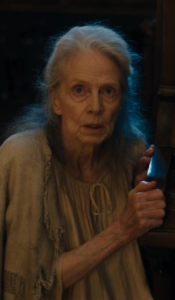
Eleanor reached toward her from the chair.
But Elena was staring at the woman in emerald silk.
“My mother was dead.”
Maxwell remembered the funeral with sickening clarity.