“She’s very good.”
“That isn’t the point.”
It rarely was.
The crystal overlayer arrived two months afterward, accompanied by a luxury designer’s card and a declaration that it was my mother’s wedding gift.
Rosa had said nothing when she saw it.
She simply lowered her eyes and began sewing stronger loops into the gown so the weight wouldn’t tear the silk.
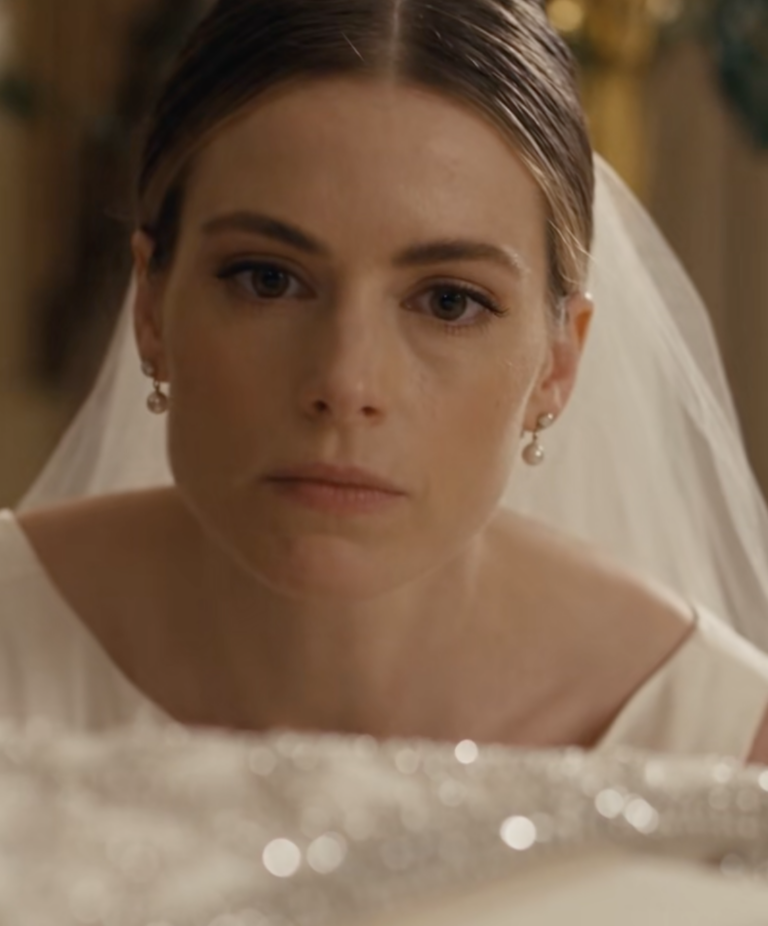
Now, in the bridal suite, my mother slid a folder onto the dressing table.
“Before your makeup is finished. Sign the flagged pages.”
I glanced down.
FAMILY LEGACY AND EVENT PARTNERSHIP AGREEMENT.
“What partnership?”
“The restoration sponsors. Photography permissions. Housekeeping.”
“I thought Daniel handled the vendor contracts.”
“This concerns our family.”
Rosa’s hands stopped moving.
My mother noticed.
“Would you give us a moment?”
“The back fastening needs—”
“A moment, Rosa.”
After the door closed, my mother placed a pen between my fingers.
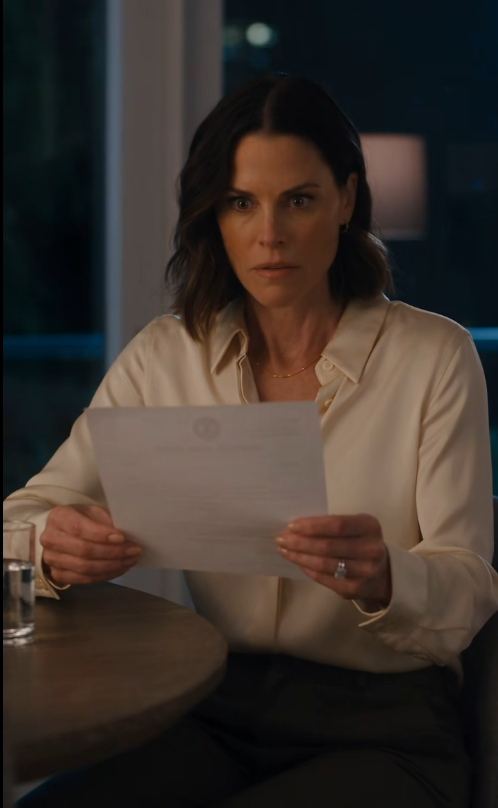
I turned the first page.
Then the second.
On the fourth, I found the words beneficial interest.
On the fifth, irrevocable assignment.
“Why does a photography agreement mention the vineyard?”
My mother smiled in the mirror.
“Because we’re standing in it.”
My father had died eighteen months earlier.
A heart attack in his study. No final conversation, no chance to repair the last ordinary irritation between us.
The last thing I had said to him was, “I’ll call you tomorrow.”
For months afterward, the sentence followed me everywhere.
He had left me his books, his old watch, and what my mother described as “an interest in the estate.”
She handled everything else.
“Your father wanted you protected,” she told me. “Arthur and I will take care of the technicalities.”
I had been too hollow with grief to argue.
Besides, she had always handled the technicalities.
Which schools I attended. Which holidays we celebrated. Which relatives were difficult. Which memories we were allowed to discuss.
Lila was four years younger, softer in ways my mother rewarded. If I refused a dress, Lila wore it. If I questioned a decision, Lila apologized for the atmosphere.
For years, I had mistaken that for happiness.
The vineyard had been my father’s great unfinished project: a neglected Santa Barbara estate with crumbling stone terraces and an ancient oak split by lightning.
He bought it when I was a child.
“Some things deserve another chance,” he told me.
After he died, I spent weekends helping restore it. I stripped paint from the old tasting-room doors. I planted lavender along the approach. Daniel repaired the irrigation system with the groundskeeper.
My mother called it a touching tribute.
I had never been told I owned it.
Not until I read the fifth page of the document beside my wedding makeup.
“This transfers my interest,” I said.
“Temporarily consolidates it.”
“It says irrevocable.”
“Legal language always sounds dramatic.”
“To Whitmore Heritage Holdings.”
“Our family company.”
“Who owns that company?”
She took a fraction too long to answer.
“Lila is the named member. For administrative purposes.”
I looked at her reflection.
“Does Lila know?”
“Your sister trusts me.”
There it was.
The old division, delivered as naturally as breathing.