I looked back at the letter.
I believed we were entering a legitimate adoption. That is what I told myself. There were lawyers. There were documents. Everything appeared orderly.
Fourteen years later, Rosa found us.
Fourteen.
A year before she began altering my school clothes.
She showed me letters Evelyn had sent while Rosa was recovering. Letters telling her that you had died.
My fingers lost their strength.
Daniel caught the page before it fell.
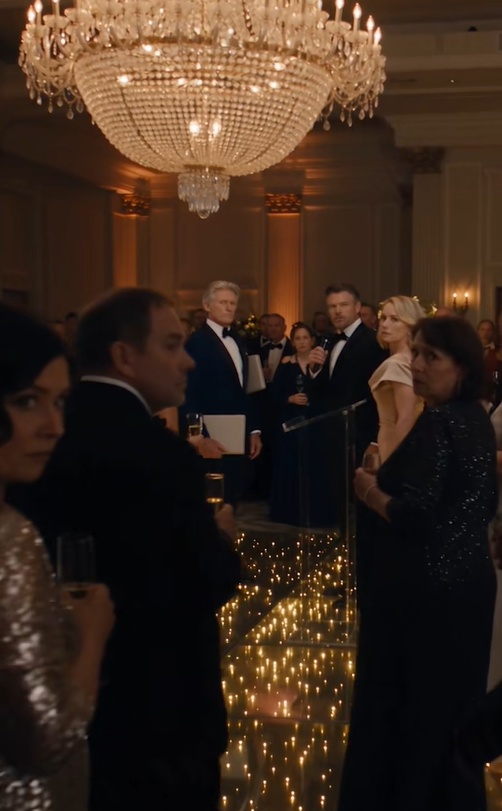
A sound came from somewhere among the guests. A small, horrified inhalation.
My mother closed her eyes.
I stared at her.
“You told her I died?”
“She was unstable.”
“You told her her baby died?”
“I was told she wouldn’t survive the illness. Arrangements had already been made.”
“Did you tell her I died?”
My mother’s face hardened, trying to find familiar ground.
“I raised you.”
For one terrible second, I saw every scraped knee, every school photograph, every fever.
I saw her beside my bed with a thermometer.
I saw her fastening my first necklace.
I saw how something could be real and still have been built around something unforgivable.
“That wasn’t the question,” I said.
Rosa was walking now.
Slowly, with one hand pressed against her stomach.
Guests turned as she passed.
She did not look at them.
When she reached me, her gaze went to the letter, then the envelope of photographs, then my face.
“He told you?”
I couldn’t answer.
She covered her mouth.
For years, those hands had shortened my sleeves. Replaced buttons. Measured my shoulders without making me feel there was anything wrong with their shape.
I had paid her.
I had thanked her.
Once, after she worked late on a dress for my father’s birthday, I had hugged her in the shop.
She had gone rigid.
Then she had held me so carefully I thought she must be lonely.
“Did you know?” I asked.
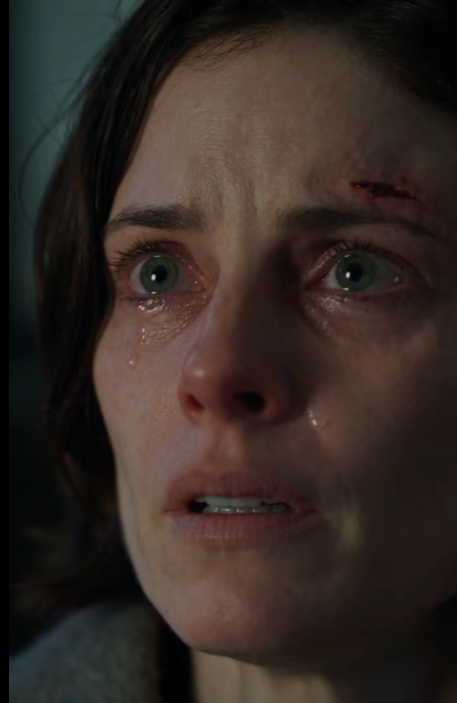
Her eyes filled.
“Yes.”
“How long?”
“Since you were fifteen.”
Fourteen years.
Nearly half my life.
“Why didn’t you tell me?”
She looked at Evelyn.
That look contained an entire room I had never been allowed to enter.
Daniel asked the coordinator for chairs.
The woman moved immediately, grateful for something practical to do.
“I need everyone to give us space,” I said.
The guests began rising.
No announcement. No theatrical scramble. Just the soft scrape of chairs, people taking one another’s arms, the quartet quietly gathering their instruments.
Within minutes, the lawn emptied toward the distant reception courtyard.
Lila stayed.
So did Arthur.
So did my mother.
Rosa sat as though her knees had stopped belonging to her.
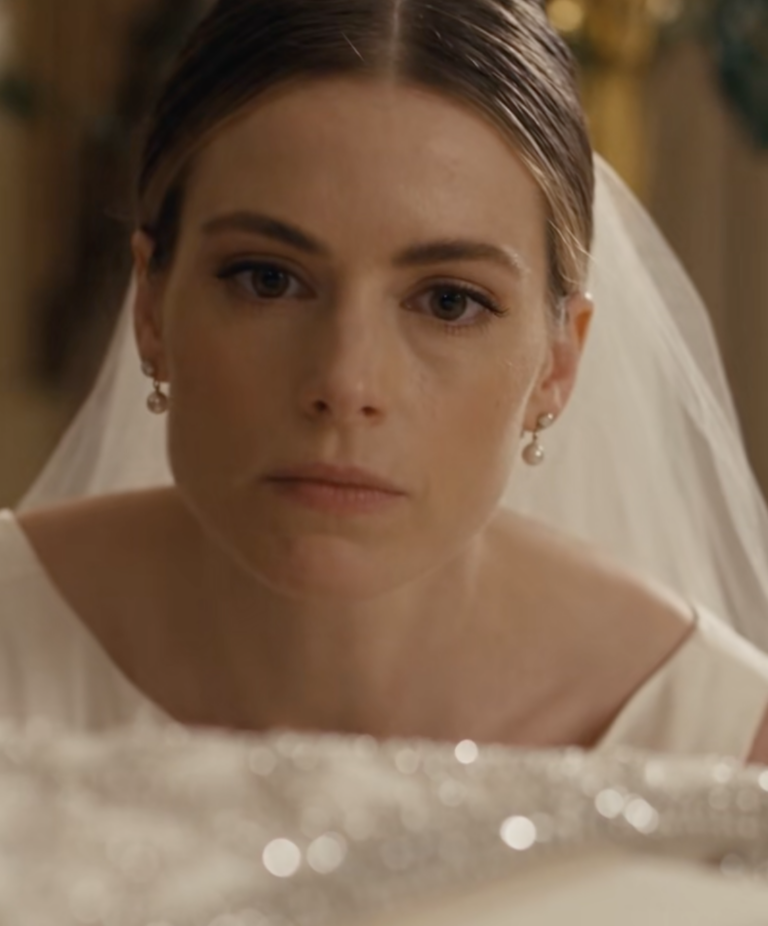
I knelt in front of her in my wedding gown.
“Tell me.”
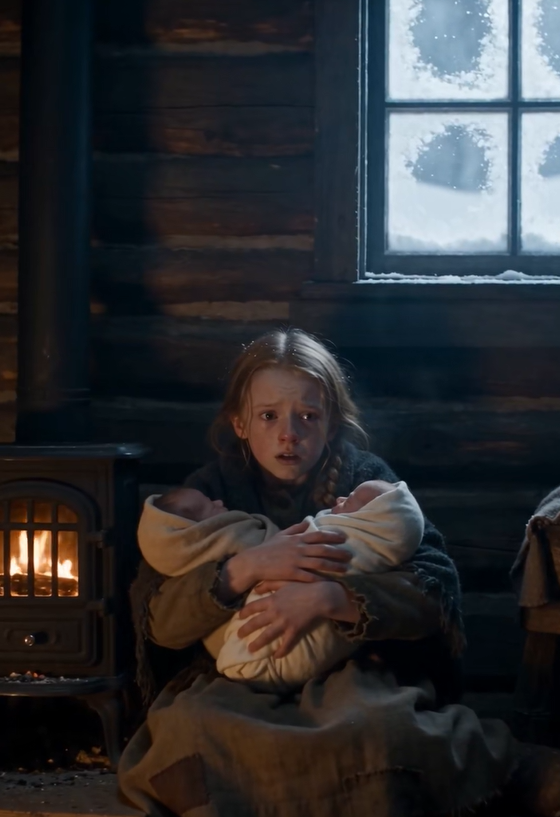
“They said you needed care while I was ill.”
Her English was precise, the way it became when she was frightened.
“Your father had died in an accident. I had been alone for months. Evelyn brought flowers to the hospital. She remembered your name.”
“What name?”
Rosa swallowed.
“Lucia.”
Behind me, my mother made an impatient, broken noise.
I turned.
“Do not.”