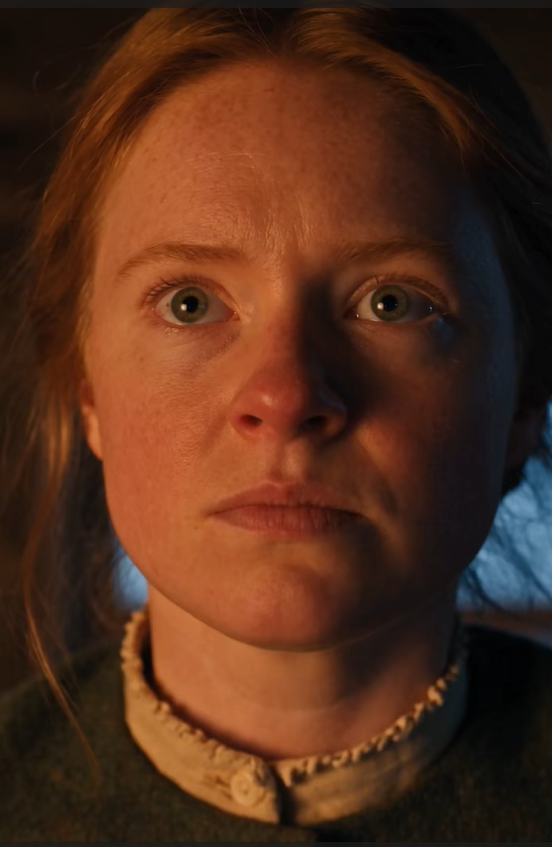
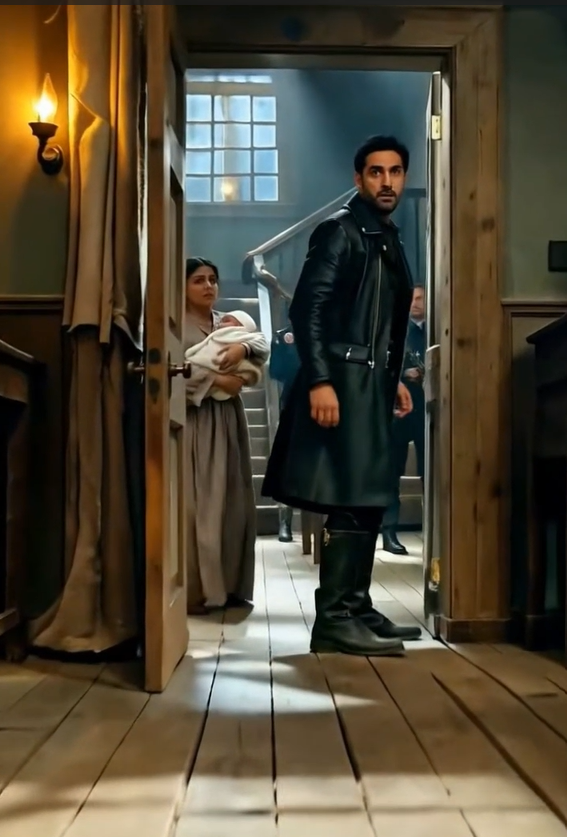
Then Eleanor in the doorway, still young, holding a ring of keys.
“You’ve embarrassed him enough,” she had said.
Isabelle pushed Elena behind her.
“He stole from the foundation. Mara found the transfers. You know what happened after that.”
“You’re upsetting the child.”
“Then let us leave.”
Eleanor’s expression had changed.
Not into anger.
Into something worse: impatience.
She stepped out and shut the door.
The key turned.
Elena remembered Isabelle trying the handle only once.
That single, careful movement frightened her more than shouting would have.
Then Isabelle knelt beside a low iron service hatch beneath the conservatory shelves.
Coal had once passed through it from the outer passage.
A child could fit.
An adult could not.
“Listen to me, little bird.”
Smoke was beginning to thread beneath the inner doorway.
Isabelle took the brass key from a hook beside the door and tied its blue ribbon around Elena’s neck.
There were two keys to the conservatory.
Eleanor had used the other.
“This opens the outside passage,” Isabelle said. “You turn it, push hard, and go to the kitchen cottage. Find Ruth.”
“Come with me.”
“I’m going another way.”
It was the kind of lie a frightened child believed because she needed it to be true.
Isabelle wrapped the violin in a curtain and pushed it through first.
Inside its case lay the letter she had written days earlier, after another night spent locked in the same room.
“Don’t lose this.”
Then she kissed Elena’s forehead.
Not quickly.
That was what Elena remembered most.
With smoke gathering over them and footsteps beyond the door, Isabelle took the time to kiss her as though they had an ordinary morning ahead.
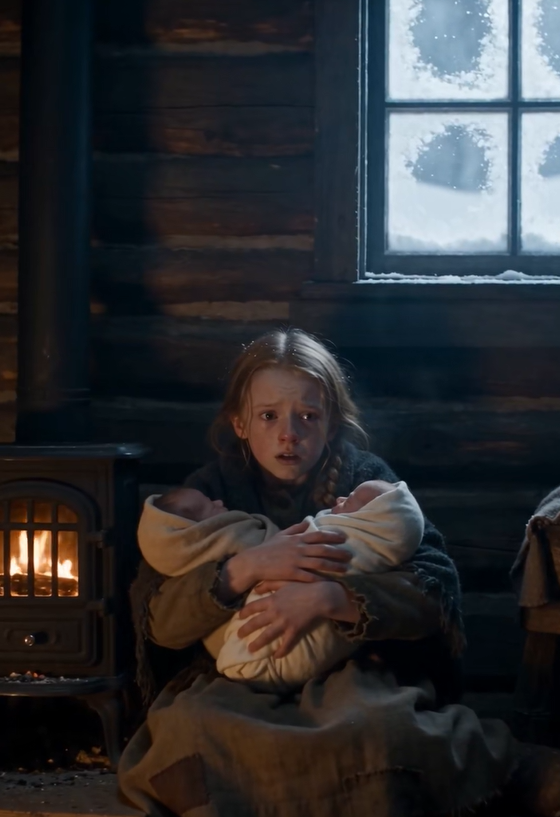
Elena crawled.
Outside, she pulled the case after her.
Behind her, Isabelle began to cough.
For years, Elena dreamed of being small enough to get out and too small to pull anyone else through.
“You expect us to accept a five-year-old’s memory?” Eleanor asked.
Her voice had regained some strength.
“There was a traumatic fire. Children invent explanations.”
“Then let me finish the letter,” Maxwell said.
He read silently at first.
The room waited.
Philip has discovered that I copied the foundation accounts. Eleanor came tonight and demanded them. When I refused, she confined me in the conservatory until morning.
His breath shortened.
The door was locked from the outside, and she kept the key.
He looked up once.
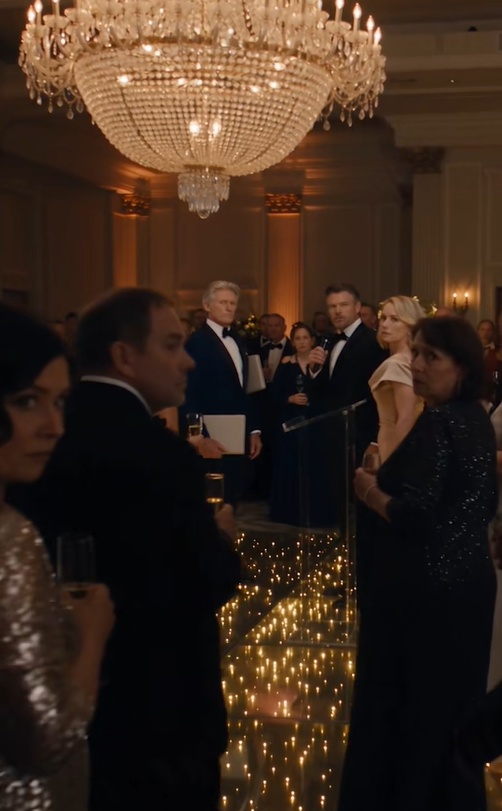
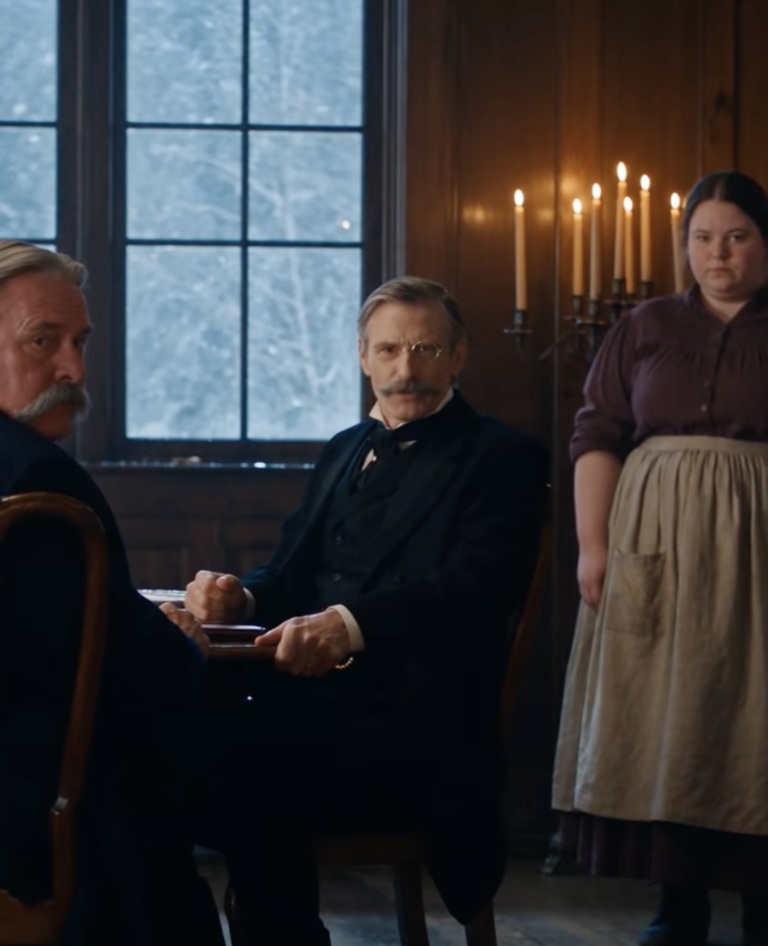
Eleanor’s emerald dress seemed almost black in the cool shadows beyond the chandelier light.
Maxwell continued.
They want you to believe I am ill. I have been frightened, angry, and foolish enough to think I could persuade your father to undo what he has done. None of these things means I do not know my own mind.