The next line blurred.
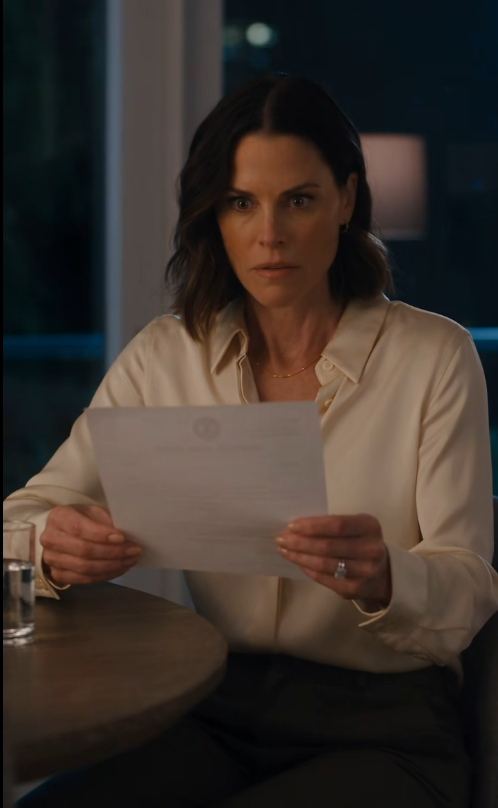
If they tell you I chose to leave you, do not carry that cruelty for them.
He lowered the paper.
For a moment, he could hear nothing.
Not the guests.
Not Vanessa trying to say his name.
Only the remembered voice of a doctor telling a fourteen-year-old boy that sometimes love was not enough to save a mother.
She had known what they would tell him.
And she had tried to reach him before it happened.
“What accounts?” he asked.
Elena placed a thick envelope on the nearest table.
“Copies from the violin case. Payments diverted from the children’s music foundation into companies your father controlled.”
Maxwell stared at his father’s portrait above the mantel.
Philip Anderson, benefactor.
Philip Anderson, grieving husband.
Philip Anderson, who had taught him that emotion clouded judgment.
Eleanor folded her hands.
“Philip is dead. You cannot ask him to defend himself.”
“No,” Maxwell said. “I can ask you.”
Vanessa moved beside him.
“Max, look at me.”
He did.
Her eyes were wet now.
Whatever else she was feeling, some of it was real.
“We can deal with this privately.”
“Did you know about the letter?”
“No.”
“Did you know about Elena?”
“No.”
Elena watched her closely.
Maxwell noticed.
“What?” he asked.
Elena drew a slow breath.
“I sent three letters to your office after your father died. Then I called. Someone finally arranged a meeting.”
Vanessa went still.
“At a café near the harbor,” Elena said. “Your fiancée came instead.”
Maxwell looked back at Vanessa.
“You said it was a woman demanding money.”
“She was demanding access to you.”
“I asked for ten minutes,” Elena said.
“You brought a ridiculous story about a dead woman.”
“I brought a photograph of the violin.”
Vanessa’s cheeks flushed.
“You don’t understand what people try when a family has money.”
“What did you tell her?” Maxwell asked.
Vanessa swallowed.
“That you weren’t interested.”
“You never asked me.”
“You were grieving your father.”
“And what else?”
The question hung there.
Elena answered quietly.
“She said if I approached you again, she would make sure no agency in Newport employed me.”
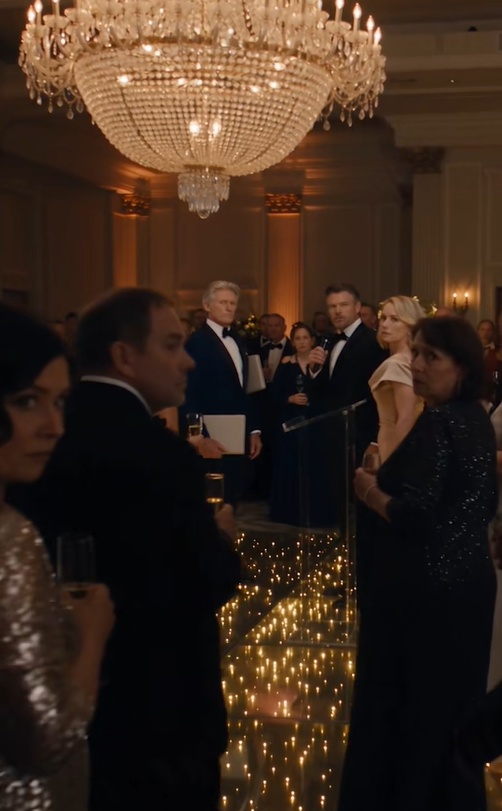
Several guests shifted.
Vanessa looked toward them, wounded by their attention.
“I was protecting us.”
Maxwell stepped away from her.
“You were protecting a wedding.”
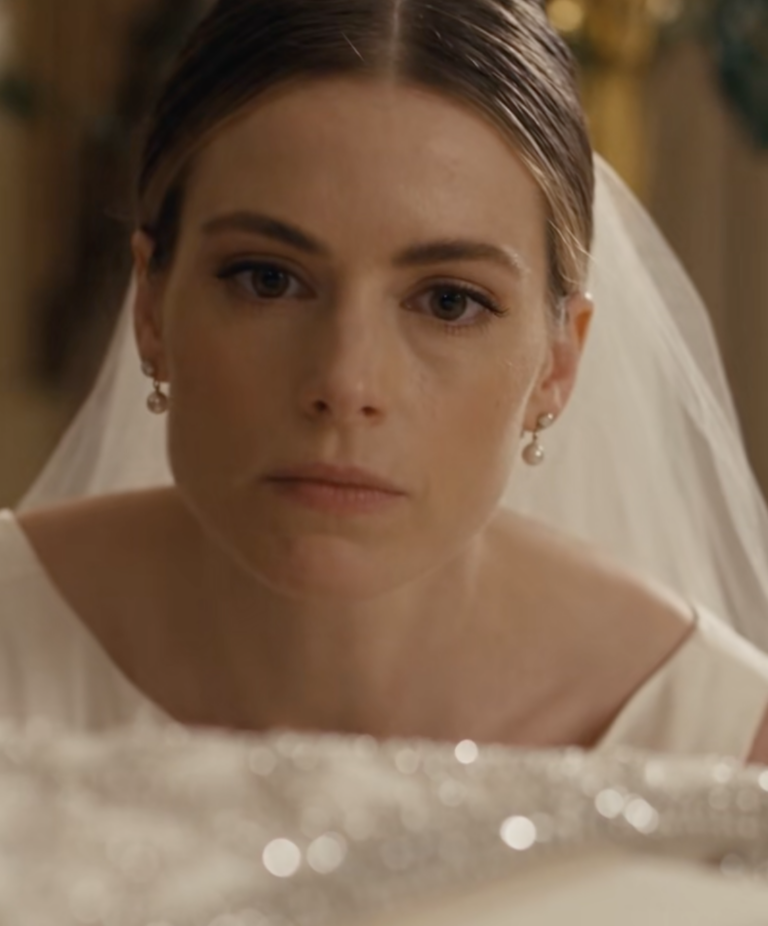
For the first time, Vanessa seemed to understand that the dress, the flowers, the carefully arranged future might be unable to save her.
“You love me,” she said.
He did not answer immediately.
That hurt her more than anger would have.
“I loved who I believed you were.”
Ruth Bell entered through the open ballroom doors carrying a worn brown handbag.
At seventy-two, she walked slowly, with the deliberate care of someone whose knees had paid for a lifetime of service.