Dad understood the difference before I did.
I am trying to learn it now.
Daniel.
I placed the card in a drawer.
Not the trash.
But not on the mantel.
Healing, I discovered, has its own furniture.
In June, Leah called.
“There’s one more provision in Howard’s trust.”
I was sitting on the back porch shelling peas.
“What provision?”
“The alternate beneficiary clause.”
“I know. Mercer House Foundation.”
“Yes.”
“What about it?”
She paused.
“Have you ever heard of Mercer House?”
“Only from the documents.”
“You should come to my office.”
Something in her voice made me put down the peas.
The following morning, Leah placed a thick folder in front of me.
“Howard didn’t merely create the foundation on paper.”
She opened the folder.
Inside were bank statements.
Property records.
Tax documents.
Photographs.
My husband had funded the organization privately for years.
Three rental cottages.
A legal assistance account.
Emergency grants.
Since his death, investment income had continued accumulating.
I stared at the figures.
“There’s almost two million dollars here.”
“Two point three.”
I looked up.
“How?”
“Howard bought commercial land outside Columbus in the nineties. He sold his interest shortly before he died.”
I remembered that investment.
Barely.
Howard once described it as “something boring with warehouses.”
Apparently boring warehouses had been extremely profitable.
“Why didn’t he tell me?”
“He did.”
“No.”
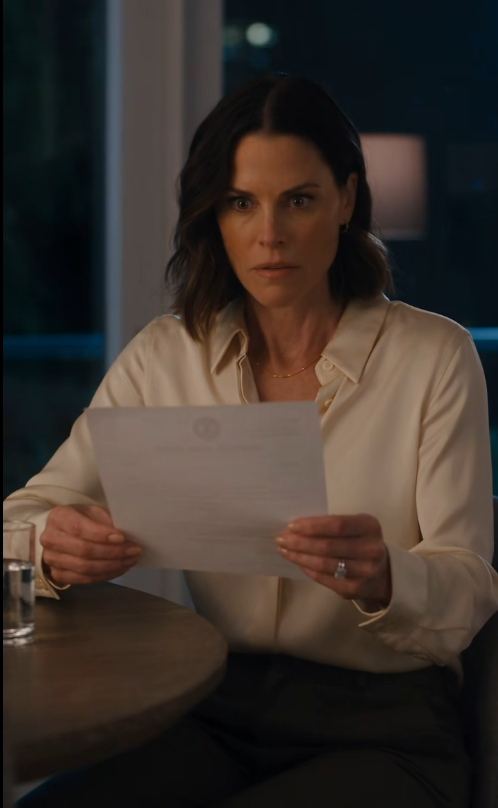
Leah slid another letter across the desk.
Howard’s handwriting.
Again.
My throat tightened.
Ev,
You once asked why I kept helping strangers when we had enough problems of our own.
I remembered.
A winter evening.
Howard had paid three months’ rent for a widow from his accounting office whose son emptied her bank account.
I had told him he couldn’t rescue everyone.
He laughed.
No, but perhaps we can rescue one person at a time.
I continued reading.
There is something I never told you about my mother.
Howard rarely spoke of his childhood.
His father died when he was young.
His mother, Margaret, raised three children.
That was almost all I knew.
The letter continued.
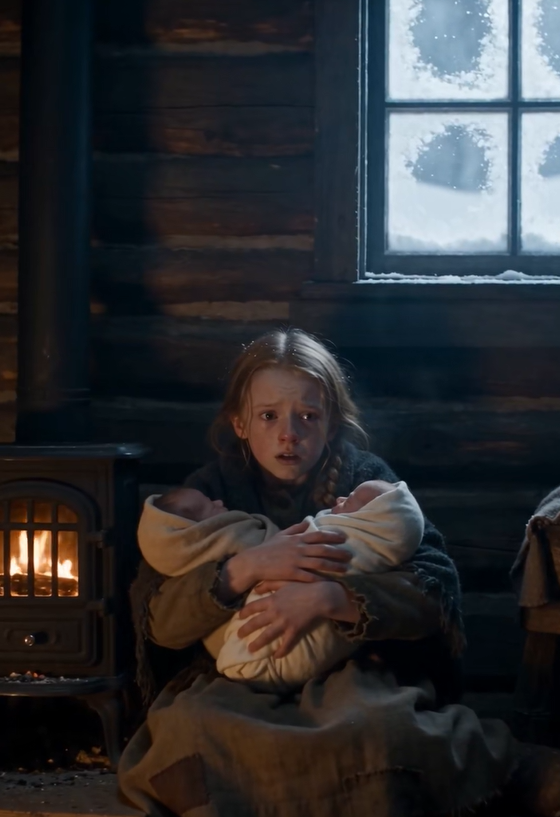
When I was fourteen, my oldest brother convinced Mom to sign papers against the farm. He lost the money. We lost the farm. For six months, my mother slept in the laundry room behind a church because no landlord would rent to a widow with three children and unpaid debts.
I covered my mouth.
Howard had never told me.
She spent the rest of her life believing she had failed us.
She didn’t.
Her family failed her.
My eyes blurred.
Mercer House is for women like her.
Then came the line that broke me.
And if our own family ever becomes the reason you need that protection, then the house should become part of that mission too.
I cried in Leah’s office for nearly an hour.
Not because Howard had predicted betrayal.
Because he had transformed an old wound into shelter for strangers.
There was one final paragraph.
But remember this, Ev: the trust gives you another choice.
I frowned.
Leah silently turned the page.
The provision was extraordinary.
The attempted coercion had terminated Daniel’s automatic right to inherit.
But it did not force me to give the property away immediately.
I retained full lifetime control.
And I held one discretionary power.
Before my death, I could decide whether Daniel had earned his way back—not to the house, but to the mission.
“What does that mean?” I asked.
Leah smiled faintly.
“He can never inherit the house personally now.”
“Never?”
“Never.”

I felt strangely relieved.
“But you may appoint him as a future trustee of Mercer House Foundation if, in your sole judgment, he demonstrates that he understands why the trust existed.”