She Tore My Dress in Front of Three Hundred Guests. By Midnight, Everyone Knew Whose Reputation Had Really Been Sewn Together with Lies.

The sound of my dress tearing was louder than the orchestra.
It was louder than the gasp that swept through three hundred wedding guests.
Louder, even, than the crystal champagne flute that slipped from someone’s hand and shattered against the marble floor.
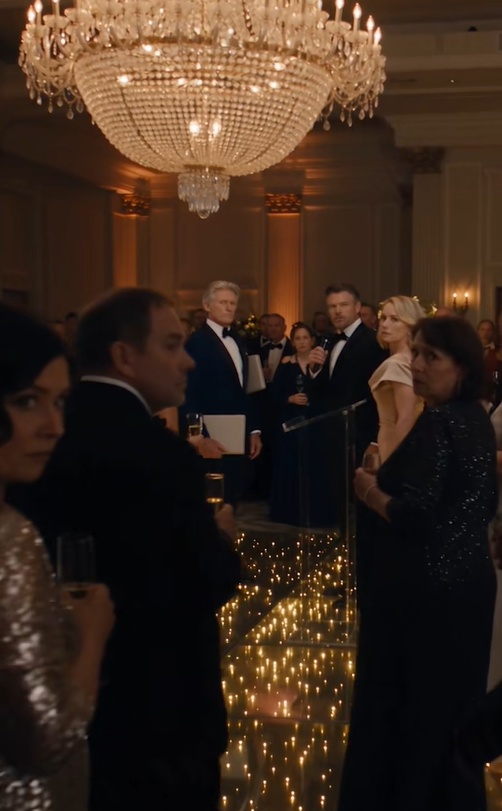
For one impossible second, the Grand Aurelia ballroom seemed to stop breathing.
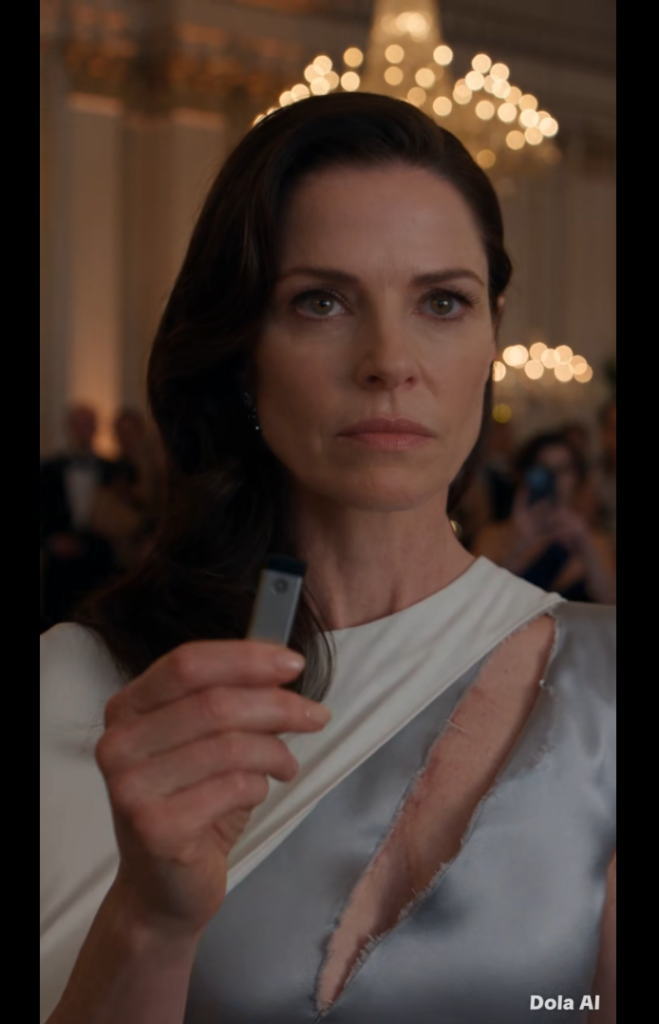
Vanessa Sinclair stood directly in front of me beneath twenty thousand hand-cut crystals, her right hand clenched around a strip of silver silk she had ripped from the side of my gown.
Her expression was almost serene.
Triumphant.
She lifted the torn fabric between two gloved fingers as if she had discovered something rotten beneath a tablecloth.
“Cheap fabric,” she said.
Nobody moved.
Her smile widened.
“Cheap taste.”
My younger sister Sophie stood twenty feet away beside her new husband, Daniel Ashford, one hand frozen around the stem of her champagne glass.
Vanessa looked straight into my eyes.
“Cheap class.”
A few people laughed.
Not because it was funny.
Because wealthy rooms have their own kind of cowardice.
When someone powerful is cruel, people often laugh first and decide how they feel about it afterward.
Phones appeared almost instantly.
Vanessa noticed.
Of course she noticed.
That was why she had done it.
She hadn’t wanted to insult me privately. She had already tried that.
Near the champagne tower she had glanced down at my silver gown and murmured, “Interesting choice.”
During dinner she had leaned toward me and whispered, “Real couture has structure. Yours looks homemade.”
When I ignored her, she had become irritated.
Vanessa Sinclair was sixty-one years old and had spent four decades living in rooms where people apologized for inconveniencing her before she had even complained.
She chaired museum boards.
She appeared in photographs beside senators, actors, philanthropists, and people who had entire buildings named after them.
She belonged to private clubs where the membership fee exceeded what most families earned in a year.
And somewhere along the way, Vanessa had developed the conviction that politeness was something other people owed her.
I owed her nothing.
That bothered her.
So she had finally reached out, taken the delicate draping at my waist, and pulled.
Hard.
Now part of my dress hung open from my ribs to my hip.
For an instant I felt exactly what Vanessa wanted me to feel.
Exposed.
Small.
Humiliated.
Then I remembered the email I had received thirty minutes earlier.
And the fear disappeared.
A hotel employee rushed toward me carrying a white cashmere shawl.
“Ms. Whitmore—”
“Thank you.”
I wrapped it carefully around myself.
My hands were steady.
That was when Vanessa’s smile faltered.
Only slightly.
But I saw it.
People who enjoy breaking others are rarely prepared for the moment someone refuses to break.
I looked at her.
Then I smiled.
Her eyebrows tightened.
“What?” she demanded.
I reached into my clutch.
The ballroom became so quiet I could hear the soft mechanical hum from the enormous LED screen behind the wedding cake.
I pulled out my phone.
Vanessa laughed.
“Oh, Claire. Surely you’re not going to make this even more embarrassing.”
I opened my contacts.
Dad.
Her eyes followed my thumb.
“You’re calling your father?”
I pressed the number.
“You’re forty years old,” Vanessa said loudly enough for nearby guests to hear. “Somebody insults your dress and you call Daddy?”