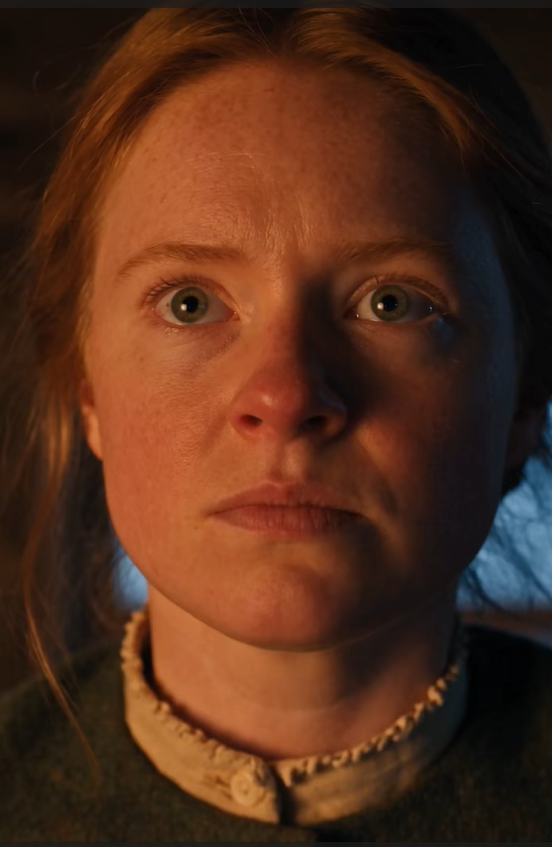
“Parents know more than children think.”
He nodded toward the letter.
“Your mother believed you would understand anonymous generosity.”
I looked again at the fortune on the screen.
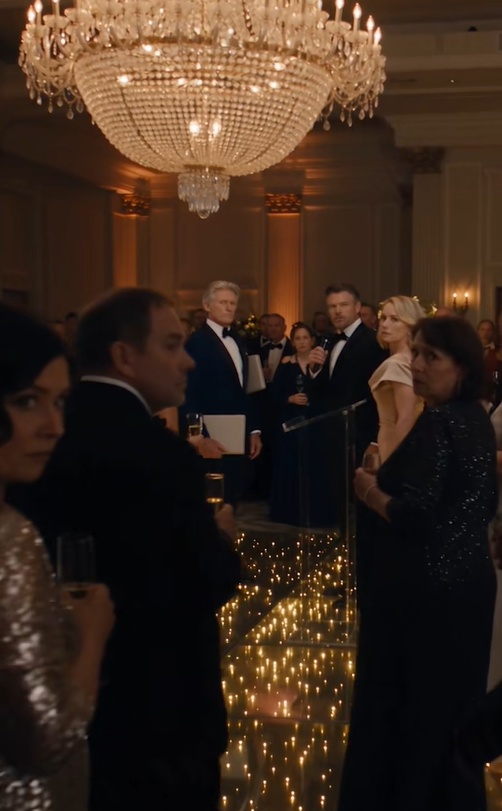
All evening, Vanessa had mocked me as someone without status.
Guests had watched her tear my “cheap” dress.
Phones had recorded everything.
Yet hidden behind her cruelty had been the strangest truth of all.
The woman who had tried hardest to make me look insignificant had spent nineteen years protecting something my mother had built for me.
Not money.
Responsibility.
The distinction terrified me.
“What happens to Vanessa?”
Dad sighed.
“She broke laws.”
“Even if she was protecting Vesper?”
“Intent matters. So does conduct.”
“And Kane?”
“His situation will be worse.”
I stared at Mom’s letter.
“She was awful to me.”
“Yes.”
“She also kept Mom’s promise.”
“Yes.”
“I don’t know how to feel.”
Dad leaned forward.
“Then don’t simplify her.”
I looked up.
He smiled sadly.
“People aren’t invoices, Claire. They don’t always balance cleanly.”
Six months later, Vanessa Sinclair pleaded guilty to unauthorized computer access, falsifying administrative records, and several related offenses.
The investigation confirmed she had not stolen Vesper’s money.
Lewis Kane had fabricated documents, attempted extortion, and diverted nearly nine hundred thousand dollars through fake vendor accounts.
Vanessa received probation, community service, substantial fines, and a permanent prohibition from serving as a financial officer of any charitable organization.
She lost nearly every prestigious board position she had spent decades accumulating.
For Vanessa, that may have been the harsher punishment.
The Whitmore Foundation disclosed Vesper publicly.
Dad apologized to the board for years of hidden transactions.
Several donors left.
More stayed.
Sophie and Daniel did exactly what Sophie promised.
The next morning they married again in a tiny municipal room with fourteen plastic chairs and a clerk named Patricia who mispronounced Ashford twice.
I wore jeans.
Sophie wore the previous night’s wedding shoes with a cream sweater.
Dad cried.
Daniel cried more.
Their marriage survived because they finally stopped trying to protect each other from the truth.
As for my silver gown, I kept it.
I refused every suggestion to repair the torn side invisibly.
Instead, I asked a seamstress to reinforce the damaged edge with visible silver stitching.
Not because destruction deserves celebration.
Because scars do not always deserve concealment.
Six months after the wedding, I took control of Vesper.
I renamed nothing.
I put my name on nothing.
The first major grant under my direction went to eleven domestic violence shelters my mother had quietly supported years earlier.
The second funded legal assistance for families facing eviction.
The third created scholarships for students who would never know who had paid their tuition.
No galas.
No photographs.
No buildings named Whitmore.
One rainy Tuesday afternoon, my assistant entered my office carrying an envelope.
“No return address.”
Inside was a handwritten note.
Three sentences.
Your mother would hate what I did to your dress.
She would approve of what you did with Vesper.
For whatever little it is worth, so do I.
No signature.
None was necessary.
I folded the note.
Then I drove across town.
Vanessa lived in a smaller house now.
Still beautiful.
Still expensive by normal standards.
But no gates.
No staff waiting outside.
She answered the door herself.
Her hair was loose.
No pearls.
No gloves.
For several seconds neither of us spoke.
Then Vanessa looked down.
I was wearing the silver gown.
Repaired.
Visible stitching running along the side where she had torn it.