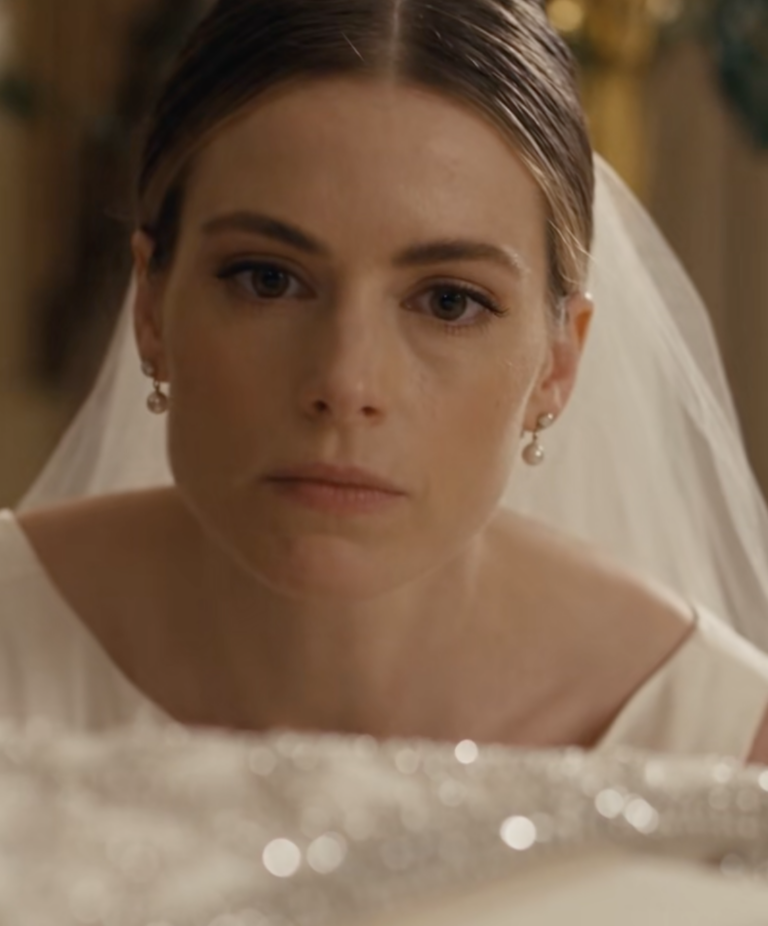
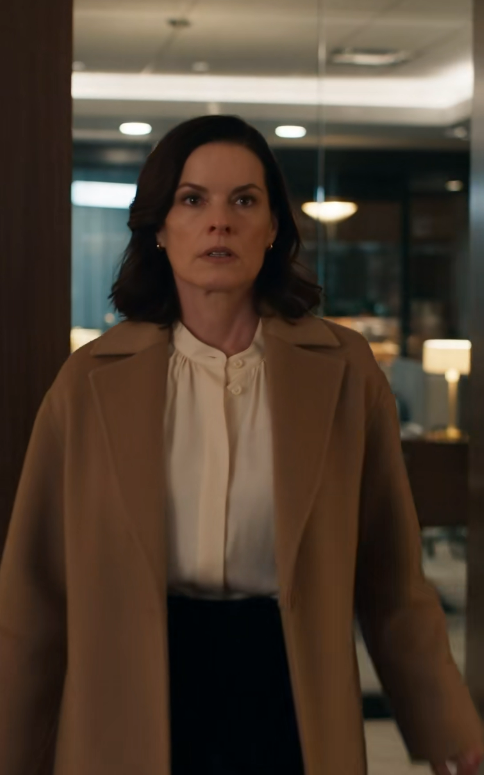
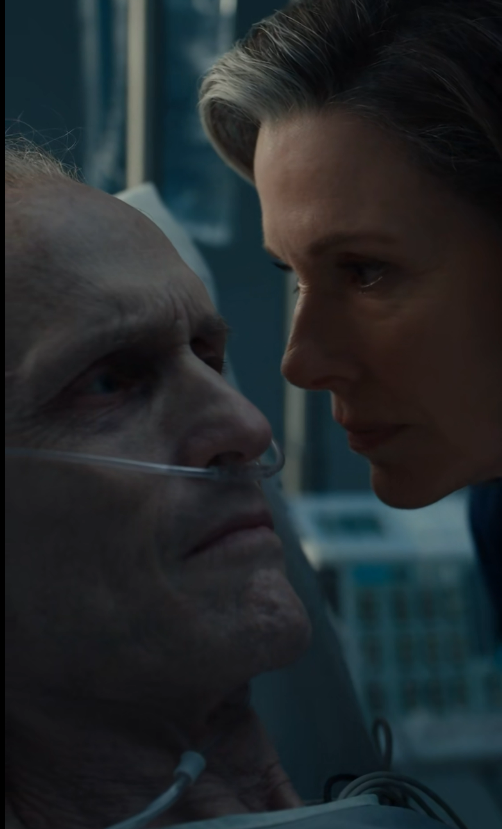
Not because I needed the money.
Because I wanted the ending to belong to me.
The proceeds funded twenty-three scholarships through the Maribel-Elena Foundation.
One year later, twenty-three young women received letters telling them their university tuition had been fully paid.
None of them knew the money had come from a diamond once worn by a woman who mistook endurance for love.
They didn’t need to know.
That was the beautiful part.
Cain had spent his life building monuments with his name carved into them.
I finally understood why my grandmother never cared about monuments.
The strongest foundations are often invisible.
Three years after the Bellagio, I attended the foundation’s annual scholarship dinner.
No ballroom.
No chandeliers.
No giant initials made of roses.
Just two hundred students and their families inside a university courtyard strung with simple lights.
Sophia arrived carrying Mateo.
He had dark curls and enormous brown eyes.
She and I were not sisters.
Not friends exactly.
Not enemies either.
We were something harder to define.
Something earned slowly.
She sat beside me.
During dinner, a nineteen-year-old scholarship recipient named Grace stepped onto the stage.
Her mother cleaned hotel rooms.
Her father drove a delivery truck.
Grace had been accepted into architecture school.
She unfolded a piece of paper.
“My family doesn’t know the people who created this foundation,” she began.
“But whoever you are, thank you for believing that someone’s future should not depend on how much power their family already has.”
Sophia looked at me.
I looked down.
Grace continued.
“I want to build affordable housing someday.”
Something inside my chest opened.
Not dramatically.
Not painfully.
Quietly.
Sophia whispered, “You okay?”
I smiled.
“Yes.”
And I was.
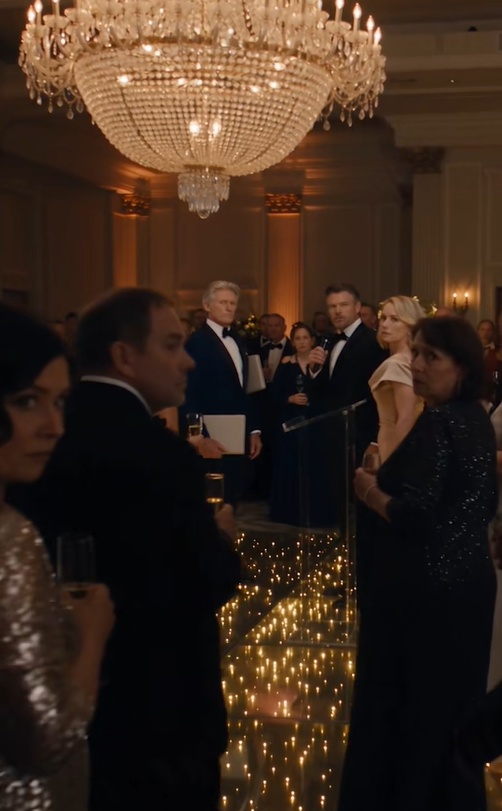
Because three years earlier, a man had stood beneath crystal chandeliers with his hand on another woman’s pregnant belly and announced that she represented his future.
He had believed futures could be owned.
Transferred.
Displayed.
Controlled.
He had believed replacing a wife meant replacing everything she had built.
He had believed power was a name above a door.
A controlling vote.
A private jet.
A woman willing to stay silent.
He was wrong.
Cain’s towers still stood in five cities.
Most had been renamed.
His photographs were gone from the headquarters.
His office belonged to somebody else.
The company he once treated like an extension of his own body had survived him.
And the woman he once called useful had stopped being useful to everyone except herself.
Grace finished her speech.
The courtyard rose in applause.
Mateo clapped because everyone else did.
Sophia laughed.
I looked toward the young woman standing beneath the lights, crying while her parents held each other in the front row.
And suddenly I remembered Cain lifting his champagne glass.
To the future.
I had hated those words for years.
That night, I finally understood them differently.
The future had never been Sophia.
It had never been Cain.
It had never been me.
It was Grace.
It was Mateo.
It was twenty-three students who never needed to know whose diamond paid their tuition.
It was millions of dollars that could no longer be stolen by one arrogant man.
It was a company learning that founders were replaceable.
It was a family choosing truth over secrecy.
It was a woman sitting beneath ordinary lights and realizing she no longer wanted anyone to look up at her.
I raised my glass.
Sophia noticed.
“To what?” she asked.
I looked around the courtyard.
Then I smiled.
“To the things worth building after the empire falls.”
And this time, when I drank to the future,
it finally belonged to no one.