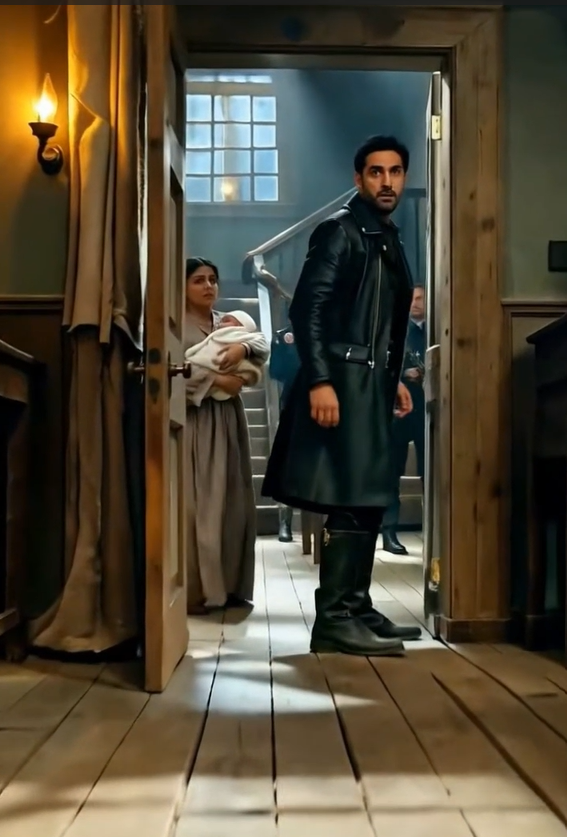
I gripped the door.
“Elena worked for my grandmother.”
Sophia shook her head.
“No.”
I frowned.
“She was her accountant.”
“No.”
“What are you talking about?”
Sophia took a breath.
“My mother was your grandmother’s daughter.”
The hallway seemed to disappear.
I actually laughed.
“That’s impossible.”
“She was born when your grandmother was nineteen.”
“No.”
“Your grandmother wasn’t married.
Her parents sent the baby away to relatives in Colombia.
She spent decades trying to find her again.”
I stepped backward.
Sophia followed only when I allowed the door to remain open.
“My mother found her when she was thirty-eight,” Sophia said.
“They had a relationship privately.
Your grandmother wanted to tell your mother.
She wanted to tell you.”
“Why didn’t she?”
“Your mother asked her not to.”
That sounded impossible.
And yet horribly possible.
My mother cared deeply about appearances.
About inheritance.
About what people knew.
Sophia handed me the envelope.
On the front, written in handwriting I would have recognized anywhere, was my name.
Rita.
My knees weakened.
I opened it.
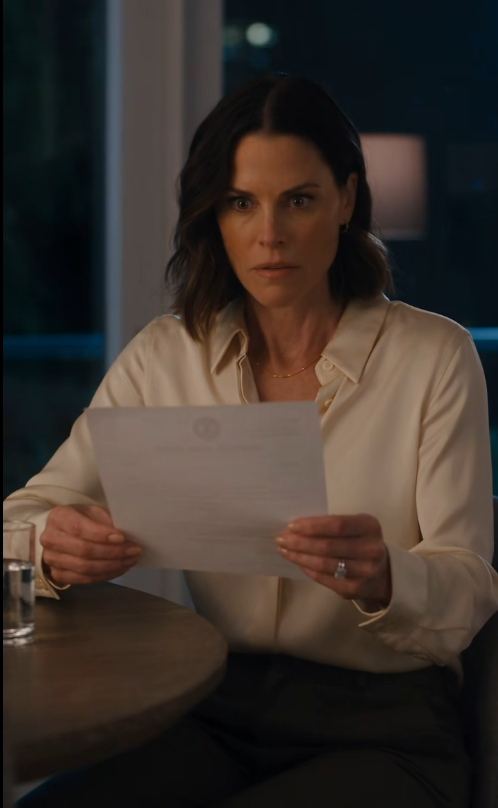
Inside was a handwritten letter.
My darling Rita,
If you are reading this, then secrets have once again survived longer than people.
I sat down.
Sophia remained near the door.
The letter was six pages.
I read every word.
My grandmother wrote about Elena.
About the shame forced on her as a teenager.
About losing her daughter.
Finding her decades later.
About regretting cowardice.
Then came the part that made my hands shake.
Elena has a daughter named Sophia.
I looked up.
Sophia was crying.
I returned to the letter.
You have always told me family is not the people who claim us publicly.
It is the people whose lives we protect when nobody is applauding.
I failed Elena in that way.
I do not intend to fail Sophia.
Then came a sentence that changed everything.
The trust documents have been amended accordingly.
I stopped.
Read it again.
Sophia whispered, “Keep going.”

I did.
My interest in the Santana investment will pass equally to you and Sophia through separate beneficial trusts once she reaches thirty, or earlier if the trustee determines that extraordinary circumstances threaten the value of the underlying company.
I could hear my pulse.
I looked at Sophia.
“You own part of Santana.”
“Not yet.”
“Daniel knows?”
She nodded.
“How long?”
“Since yesterday.”
I stood.
“You went to him?”
“No.”
Her answer came strangely.
“Then who did?”
A voice behind her said:
“I did.”
My mother stood in the hallway.
I had never seen her look afraid before.
“Mom?”
She entered slowly.
Sophia moved aside.
My mother looked at the letter in my hands.
“I hoped you would never need to read that.”
Anger surged through me.
“You knew?”
“Yes.”
“You knew she was family?”
“Yes.”
I pointed toward Sophia.
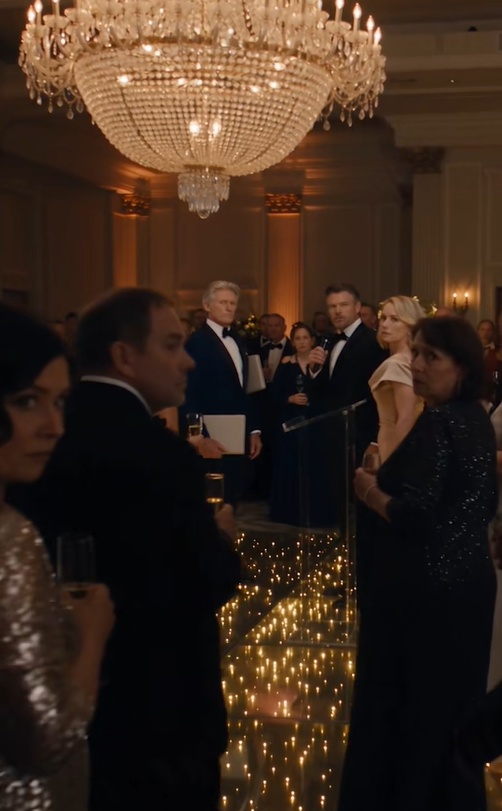
“You watched her walk into my anniversary celebration holding my husband’s arm and you said nothing?”
My mother’s expression broke.
“I didn’t know about Cain.”
“What did you know?”
“That Sophia had inherited a contingent interest.”
“That’s all?”
“Yes.”
Sophia stared at her.
“You knew who I was when we met last year?”
My mother looked away.
Sophia laughed bitterly.
“Oh my God.”
I suddenly understood.
A charity gala.
Fourteen months earlier.
My mother had met Sophia.
She had gone pale.
I remembered asking whether they knew each other.
My mother had said Sophia reminded her of someone.
“Elena,” I whispered.
Mom nodded.
“She looked exactly like her.”
I could barely breathe.
“How did Sophia end up with Cain?”
My mother closed her eyes.
“That part, I don’t know.”
Sophia answered.
“I met him at the Meridian launch.”
I looked at her.
“He knew my surname.
He knew I was connected to your grandmother’s trust.”
I froze.
“What?”
Sophia’s face changed.
“I didn’t understand why that mattered until yesterday.”