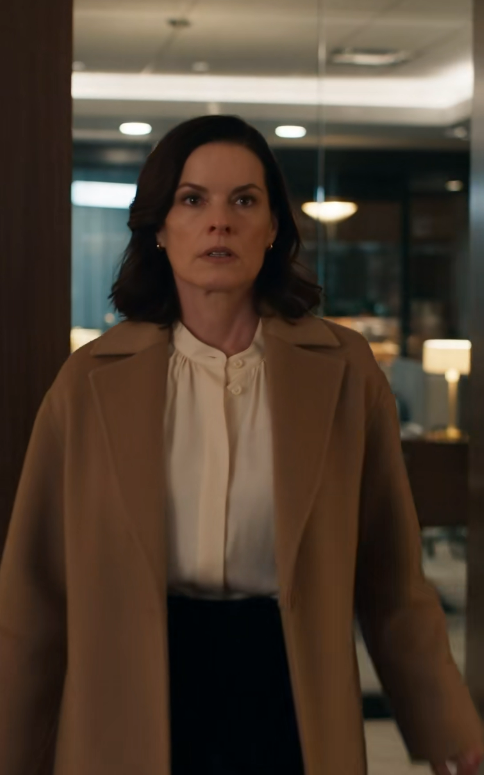
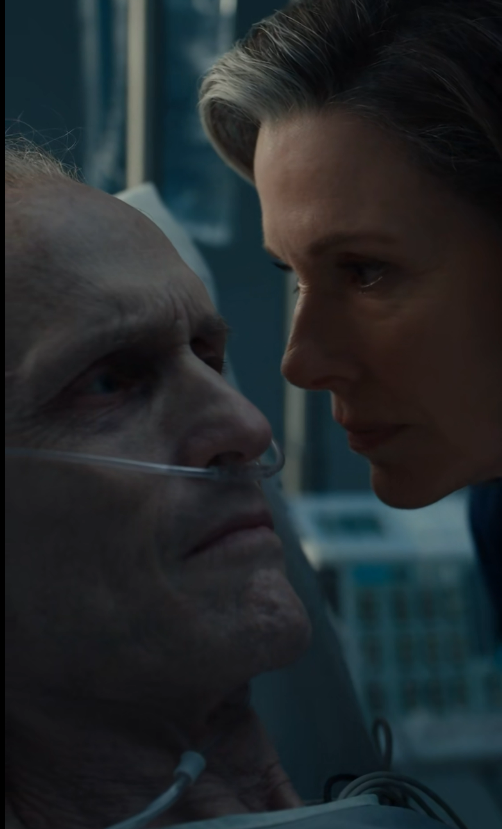
Cain didn’t.
I stepped closer.
“You forged my signature.”
“Be careful.”
“You arranged to transfer my voting interest.”
His jaw tightened.
“You planned to raid our charitable foundation.”
“Rita—”
“And when you thought I might object, you prepared to use the fact that I went to grief counseling as evidence that I was mentally unstable.”
His mask finally broke.
“You have no idea how complicated this company is.”
I stared at him.
For fifteen years, I had sat through acquisition negotiations, zoning hearings, lender meetings, compliance reviews, investor disputes, lawsuits, refinancing crises, and three near-bankruptcies.
Then, with almost perfect calm, I said:
“Cain, I know exactly how complicated this company is.”
I reached into the folder I had been holding all evening.
Not the speech.
Another document beneath it.
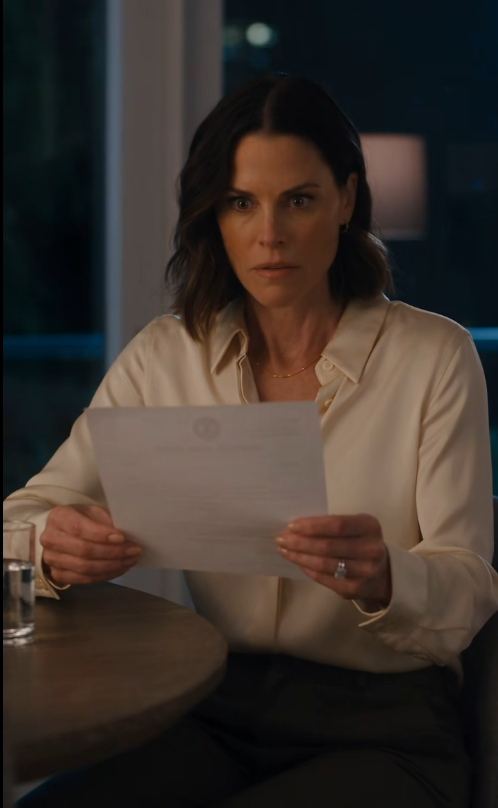
I removed one page.
Cain stared at it.
“What is that?”
“The revocation.”
Marcus went still.
Cain did not.
Not yet.
I almost felt sorry for him.
Almost.
“The revocation of what?”
I looked toward table three.
Three independent directors were already standing.
So was the chairman of Santana Urban Holdings.
I turned back to Cain.
“Your proxy.”
And suddenly he understood.
The room seemed to tilt around him.
“No.”
“Yes.”
Years earlier, when Santana Urban Holdings needed a major capital infusion, my grandmother had invested through a family trust.
Cain had hated accepting her money.
He hated it even more when attorneys insisted that the investment receive enhanced voting rights.
At the time, he owned thirty-one percent.
I owned forty-one percent.
The remaining shares belonged to investors and senior executives.
But Cain wanted one public leader.
One voice.
One founder.
So I had signed a voting proxy allowing him to exercise my shares in ordinary company matters.
It had made life easier.
It had also allowed Cain to slowly convince himself that my votes belonged to him.
They never had.
“I revoked the proxy yesterday afternoon,” I said.
Cain’s lips parted.
“The board accepted it at six twenty-eight this evening.”
Marcus whispered something I couldn’t hear.
Cain turned toward the directors.
“This is ridiculous.”
Chairman Leonard Hayes shook his head.
“No, Cain.
It’s effective.”
“You can’t do this during an event.”
Leonard looked almost amused.
“Corporate governance does not pause for weddings.”
“It’s not a wedding,” someone muttered.
A ripple of bitter laughter followed.
Cain stepped toward me.
“You think owning forty-one percent makes you queen?”
“No.”
I looked at Marcus.
“But your friend sold four percent of his shares six months ago.”
Marcus froze.
That surprised Cain.
Good.
I continued.
“And two minority investors granted me temporary voting authority this afternoon pending investigation of the forged transfer documents.”
Cain stared at Marcus.
“You sold shares?”
Marcus’s face tightened.
“That’s not relevant.”
“It’s extremely relevant.”
Cain looked back at me.
“How much?”
I answered softly.
“Fifty-two point six percent.”
Silence.
I had spent fifteen years helping Cain dominate rooms.
Now I watched him realize he no longer controlled his own.
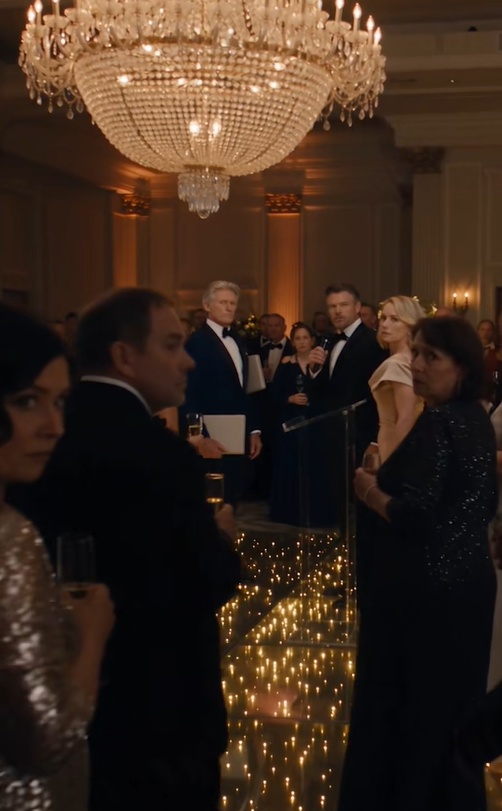
Leonard walked toward the stage.
“An emergency board resolution was passed at seven twelve p.m.”
Cain stared at him.
Leonard continued.
“Pending investigation into fraud, misuse of charitable assets, falsification of corporate documents, and breach of fiduciary duty, Cain Santana is suspended as chief executive officer of Santana Urban Holdings, effective immediately.”
The noise that followed was unlike anything I had ever heard.
Three hundred people reacting at once.
Reporters pushing forward.
Phones lifted.
Investors whispering.
Someone near the back actually applauded.
Cain did not move.
It was as if every muscle in his body had locked.
Then he laughed.
Once.
Coldly.
“You think this company survives without me?”
I said nothing.
He turned to the crowd.
“You all know what I built.”
Nobody answered.
He pointed toward me.
“She hosts dinners.
She writes speeches.
She remembers birthdays.”
The cruelty would once have devastated me.