He Dared the Maid to Play His Mother’s Violin. Thirty Seconds Later, the Bride’s Champagne Glass Shattered.
The first note I played on Eleanor Anderson’s violin killed the laughter instantly.
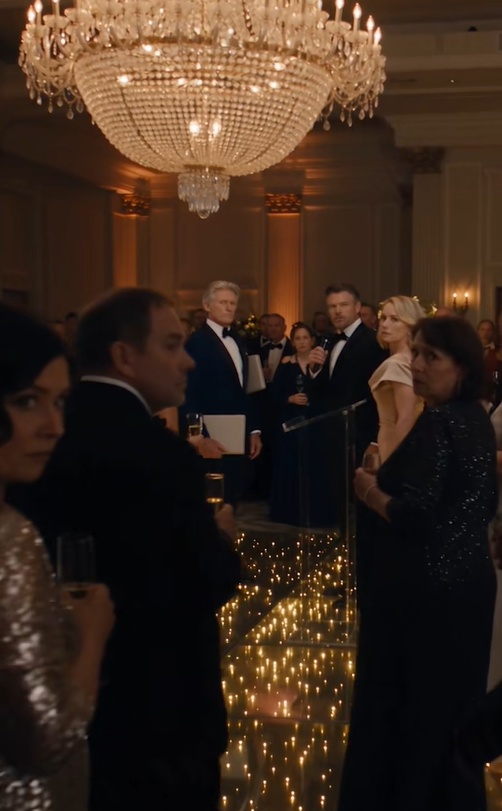
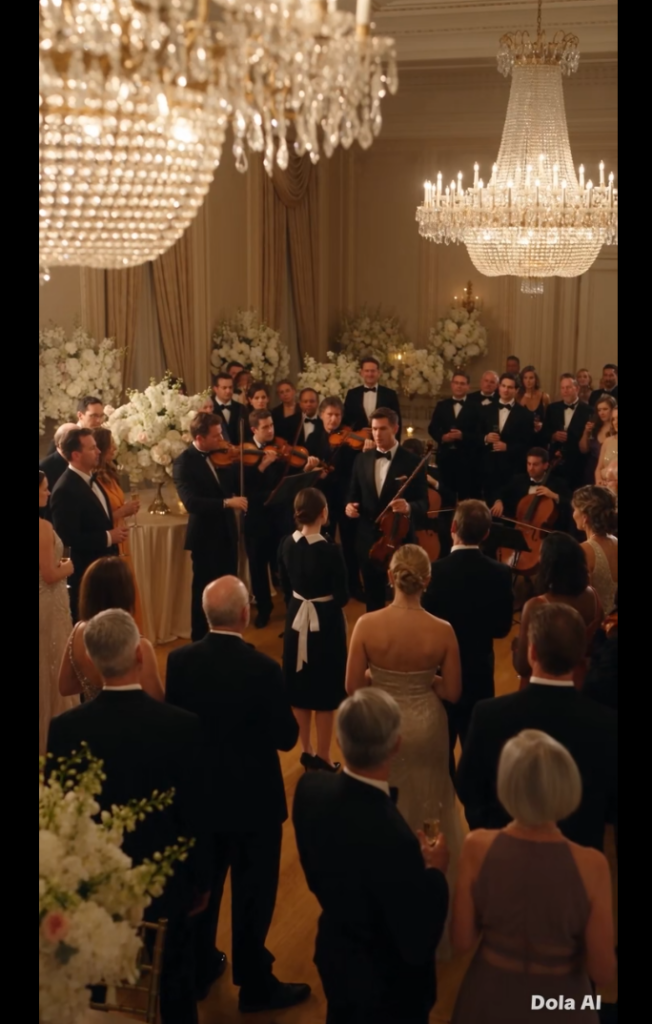
One second, nearly a hundred people were laughing at the maid in the plain black dress who had been challenged by a billionaire to perform in front of Newport’s wealthiest families.
The next, the Anderson ballroom went so quiet I could hear rain beginning to strike the tall windows overlooking the Atlantic.
Maxwell Anderson stood less than twenty feet away from me.
His smile had disappeared.
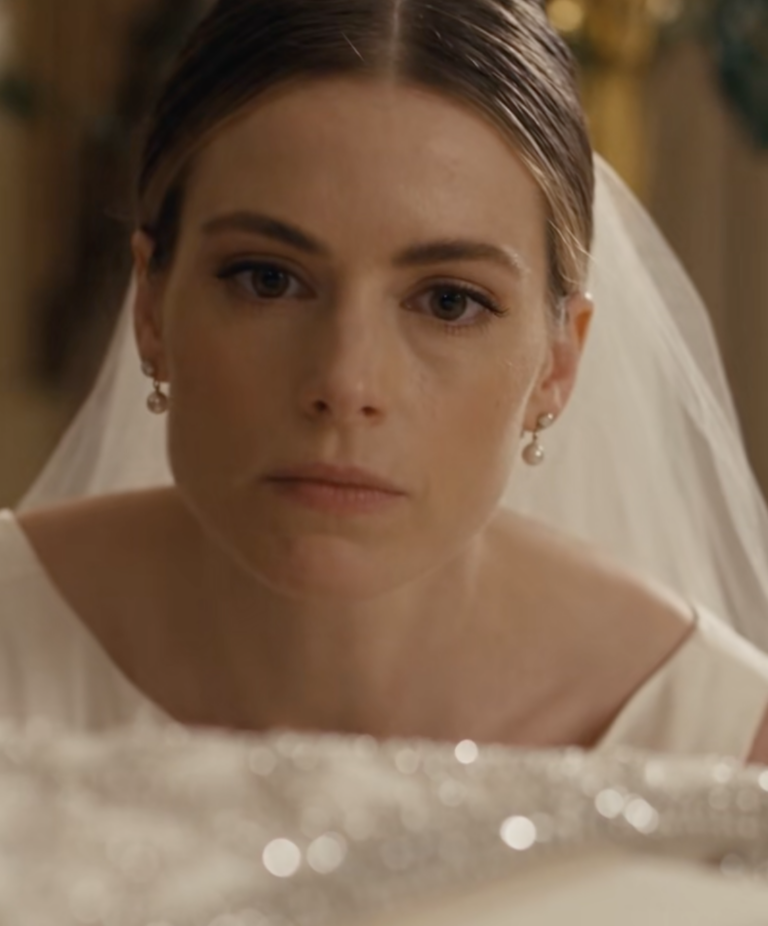
His bride, Vanessa Caldwell, still held her champagne glass near her mouth, but she was no longer laughing either.
And when my bow crossed the strings for the eighth measure of The Harbor Lullaby, Maxwell’s face lost every trace of color.
“Stop.”
I didn’t.
“Elena.”
It was the first time he had ever called me by my first name.
I continued playing.
The melody rose through the enormous ballroom beneath crystal chandeliers that had once belonged to a French duke. Beyond the windows, gray clouds gathered over the sea. Candlelight reflected in silver trays. White roses covered the long tables.
But no one was looking at any of that.
They were looking at me.
The maid.
The woman who had polished their glasses, carried their coats, cleaned wine from their carpets, and disappeared whenever important people entered the room.
I played the final four notes.
Soft.
Slow.
Exactly as Eleanor Anderson had taught me.
Maxwell whispered, “How do you know my mother’s song?”
Vanessa’s champagne glass slipped from her fingers.
It struck the marble floor and shattered.
And that was when I knew twelve years of silence were finally over.
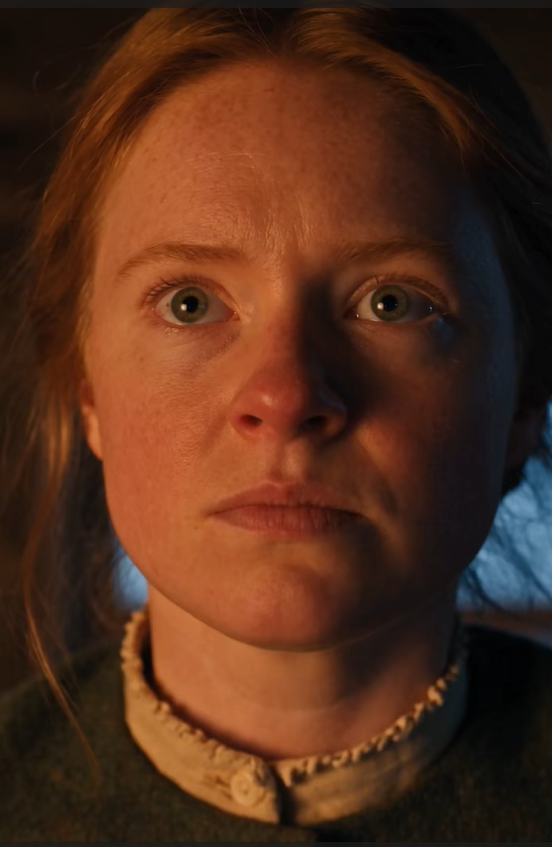
My name is Elena Marlowe.
For three years, I had worked at the Anderson estate in Newport, Rhode Island.
I arrived every morning through the servants’ entrance at six fifteen.
I tied my hair into a low knot.
I changed into a black uniform.
I polished marble floors worth more than the house where I grew up.
Most people never looked closely at me.
That was useful.
People reveal extraordinary things around someone they believe is invisible.
I heard businessmen whisper about acquisitions while I replaced coffee.
I heard senators complain about donors while I carried empty glasses from the library.
I once heard Vanessa Caldwell tell a bridesmaid that loyalty was “just poverty with better branding.”
She had laughed afterward.
I remembered that.
I remembered everything.
People assumed I remained at the estate because the salary was good.
It wasn’t.
People assumed I had nowhere better to go.
I did.
What nobody understood was that I had not come to the Anderson estate looking for employment.
I had come looking for a room.
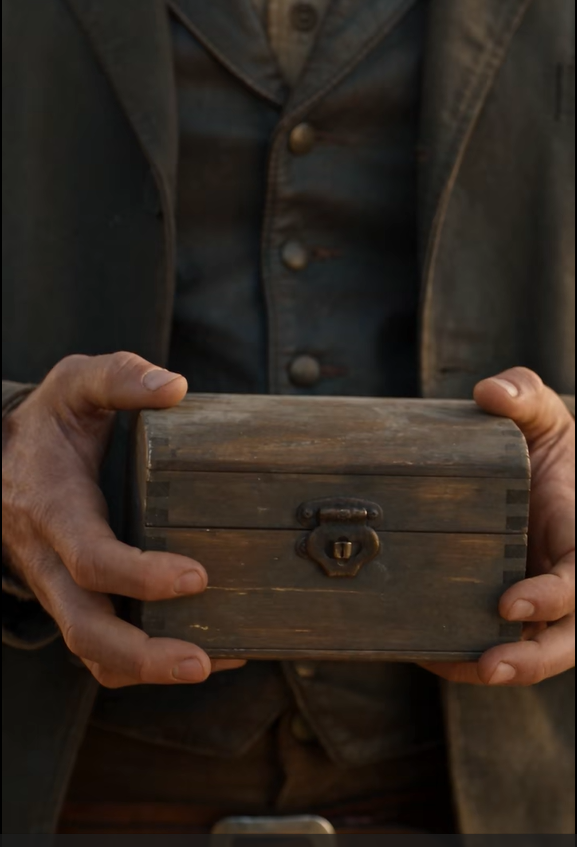
A locked room on the third floor.
And something Eleanor Anderson had hidden inside it twelve years earlier.
The wedding began on a Saturday in October.
By noon, the estate looked less like a family home and more like the palace of a small country.