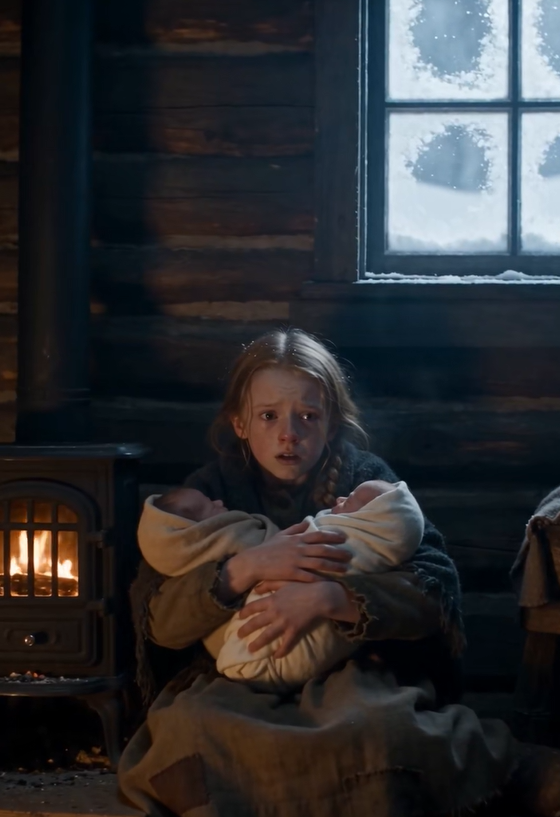
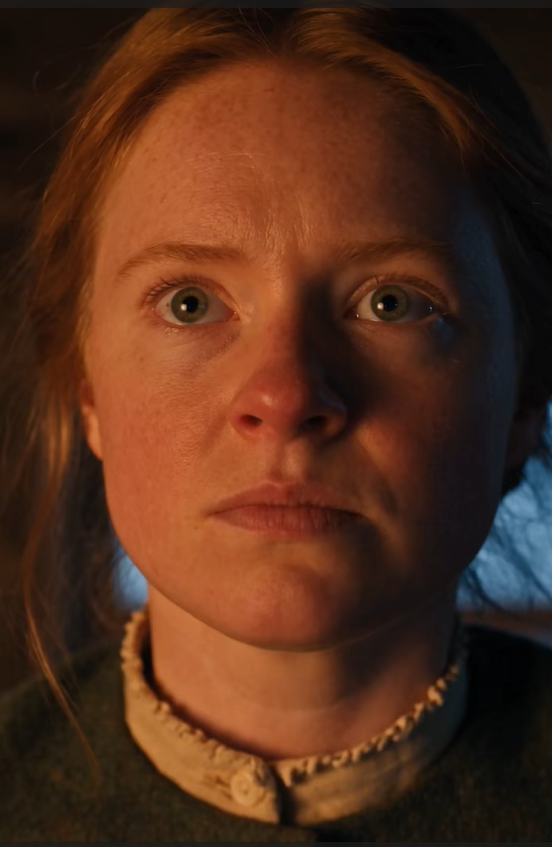
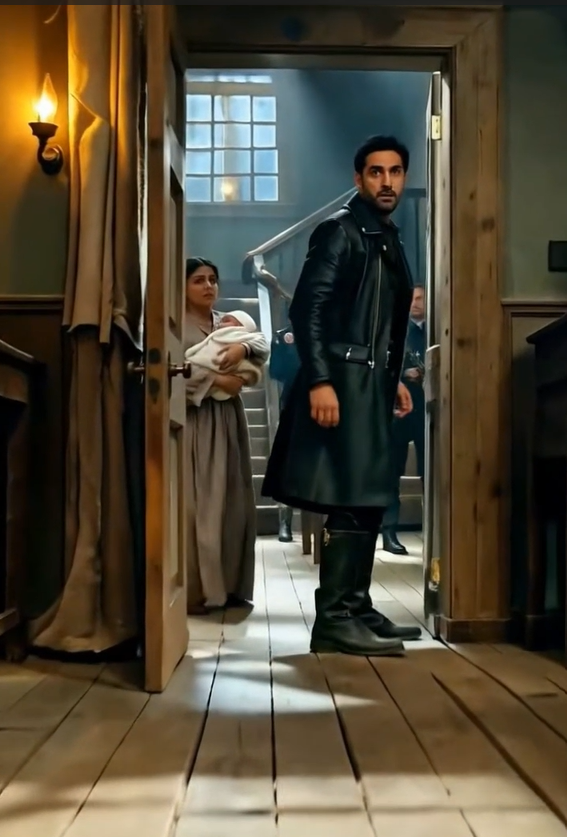
My mother had died six months earlier.
My father had never been identified.
An aunt had taken me in briefly, then disappeared.
Eventually I ended up at St. Catherine’s, a private boarding school partially funded by the Anderson Foundation.
I hated it.
I fought.
I skipped lessons.
I stole bread from the kitchen because I was convinced food could vanish at any moment.
But I could play music.
My mother had taught piano.
A nun discovered that I could reproduce melodies after hearing them once.
Eleanor visited the school for a charity concert.
I played Schubert.
Afterward, she found me hiding backstage because one of the administrators had accused me of stealing another girl’s bracelet.
I hadn’t.
Eleanor believed me.
That alone was enough to make me love her.
She began visiting every week.
Later, she received permission to bring me to the Anderson estate for music lessons.
That was how I met Maxwell.
He was eight.
Spoiled sometimes.
Lonely always.
We fought constantly.
Then we became inseparable.
I taught him how to climb the cedar tree behind the greenhouse.
He taught me how to sail.
When storms came, Eleanor played The Harbor Lullaby while we sat beneath the piano.
For nearly two years, the Anderson estate became the closest thing I had to a home.
Then, one winter night, everything ended.
Eleanor stopped visiting.
I was told she was ill.
Three weeks later, I learned she had died.
The official cause was an aneurysm.
I was sent to another school in Vermont within forty-eight hours.
I never saw Maxwell again.
Until I returned as a maid.
When I finished explaining, Maxwell looked physically unsteady.
“I remember a girl.”
My throat tightened.
He stepped closer.
“Elle.”
I almost closed my eyes.
Nobody had called me that in decades.
“You called her Elle,” he whispered.
“Yes.”
“You had short hair.”
“The school cut it.”
“You broke my nose.”
“You deserved it.”
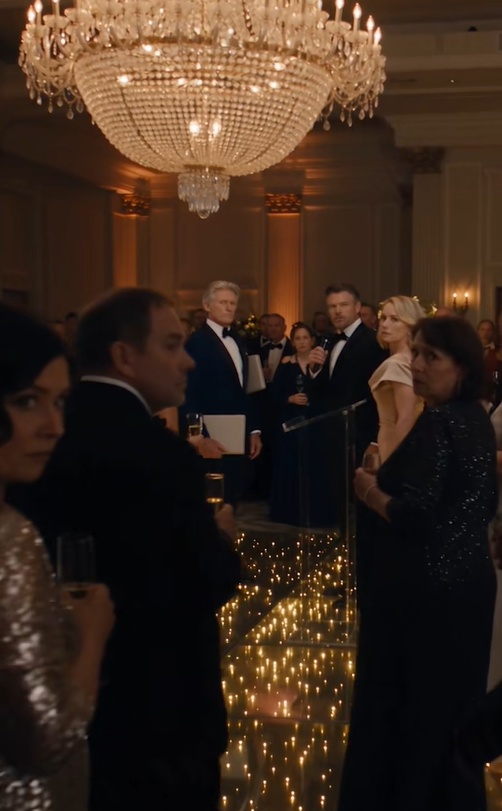
Somebody in the ballroom laughed nervously.
Maxwell didn’t.
He was staring at me as if watching a ghost become flesh.
“I thought you disappeared.”
“I did.”
“Why didn’t you contact me?”
“I tried.”
He frowned.
“Letters.”
I looked toward Margaret.
“Eleven of them.”
Margaret’s face tightened.
“I never received anything,” Maxwell said.
“I know.”
Vanessa stepped between us.
“This is absurd.”
“No,” Maxwell said.
His voice was quiet.
That made it more dangerous.
“What happened to the letters?”
Vanessa folded her arms.
“How would I know?”
“I wasn’t asking you.”
He looked toward Margaret.
Margaret smiled stiffly.
“I have no idea what this woman is suggesting.”
“Then perhaps,” I said, “we should discuss the night Eleanor died.”
The room went silent again.
Maxwell stared at me.
“What about it?”
I looked toward the ballroom doors.
A security guard stood there.
So did Maxwell’s attorney, Arthur Bell.
Good.
I had hoped he would attend.
“Your mother didn’t die where the newspapers said she died.”
Maxwell’s expression hardened.
“She died at Massachusetts General.”
“No.”
“What are you talking about?”
“She died here.”
Vanessa shook her head.