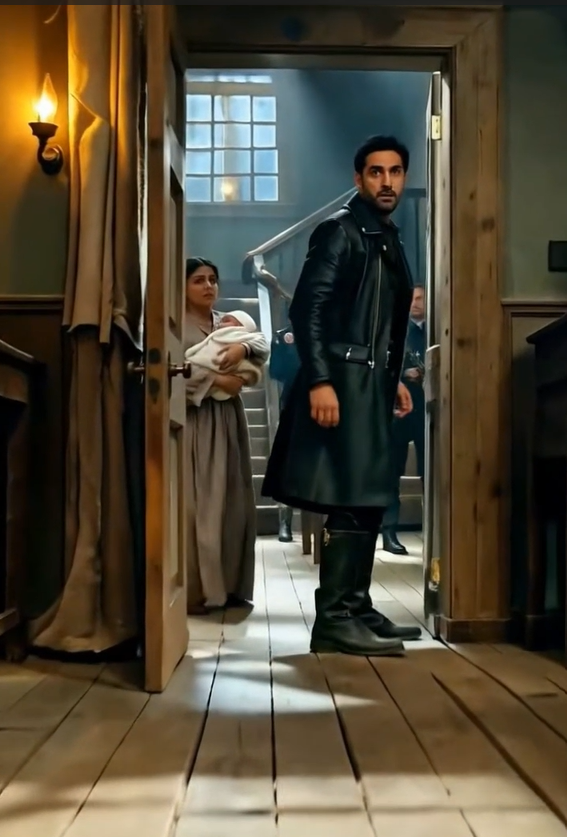
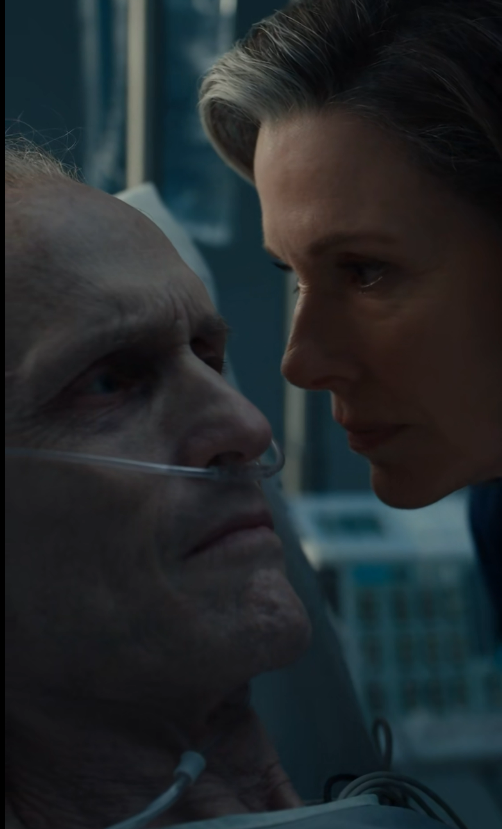
David.
He had surrendered his law license voluntarily rather than fight the disciplinary proceedings.
I had expected that choice to destroy him.
Instead, it freed him.
He earned less money than he had at his firm.
Drove an eight-year-old car.
Lived in a modest apartment.
And slept better.
Miriam Bell sat beside me.
She had become one of the program’s loudest supporters.
When David approached us, she smiled.
“Your mother tells me you still owe me an apology.”
David winced.
“I expect I’ll owe you that apology until we’re both dead.”
“Probably.”
Then she kissed his cheek.
A bailiff entered.
The same Bailiff Rodriguez who had been there that morning two years before.
He saw me and grinned.
“Judge Warren.”
“Retired,” I reminded him.
“You’ll always be Judge Warren in my courtroom.”
David overheard.
“My courtroom?”
Rodriguez shrugged.
“Sounds better.”
People laughed.
I looked around Courtroom 4B.
For years, I had believed justice happened at the bench.
A ruling.
A sentence.
A verdict.
Age had taught me something different.
Justice is not the moment everyone rises when you enter a room.
It is what happens after everyone sits back down.
It is the widow who gets her house back.
The son who tells the truth too late but tells it anyway.
The criminal who finally understands that pain does not become righteousness merely because it began as grief.
The mother who discovers that loving her child does not require pretending he never failed.
And the old woman everyone mistook for powerless, who finally understands that power was never the robe.
Rodriguez tapped the microphone.
“Before we begin, we have one special recognition.”
David looked confused.
So did I.
Miriam smiled beside me.
Rodriguez continued.
“The Helen Mercer Warren Center for Elder Justice has received approval for permanent funding from the state.”
I turned sharply toward David.
He was already crying.
“You knew?”
“For three weeks.”
“You named it after me?”
“No.”
His smile widened.
“The victims did.”
I looked toward the rows behind us.
Dozens of elderly men and women stood.
Some I recognized from newspapers.
Others I didn’t.
Miriam rose first.
Then another woman.
Then an elderly man with a walker.
Then a couple holding hands.
Row by row, every former victim the program had helped came to their feet.
For the second time in Courtroom 4B, everyone stood when I entered their world.
But this time there was no black robe.
No elevated bench.
No authority requiring them to rise.
I stood among them in a plain gray coat, silver hair pinned behind my head, one hand resting on a cane.
Fragile.
Ordinary.
Seventy-two years old.
And I finally understood something Clara never had.
Real power is not making people stand because they are commanded to.
It is living in such a way that, one day, they choose to stand on their own.