“Your father was never particularly intelligent. Charming, useful, but weak.”
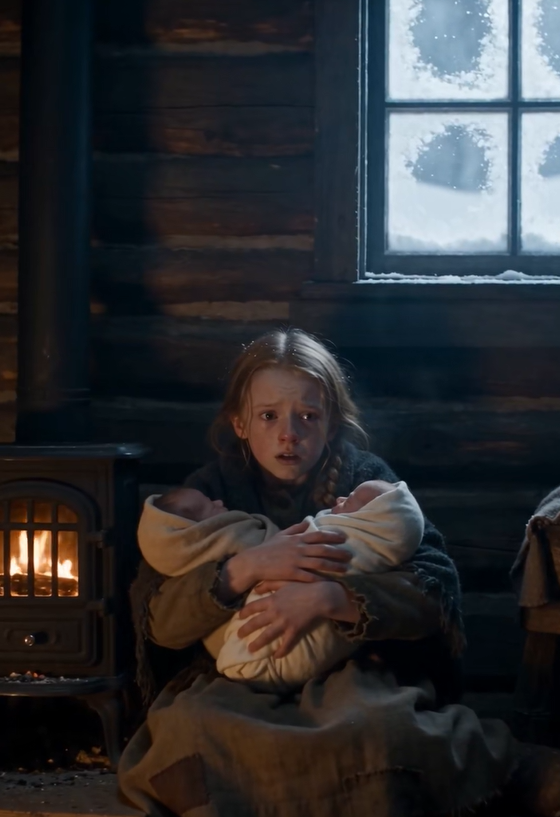
Lydia pressed herself against the wall.
“Bellweather.”
“Recruitment gives such an ugly business a bad reputation.”
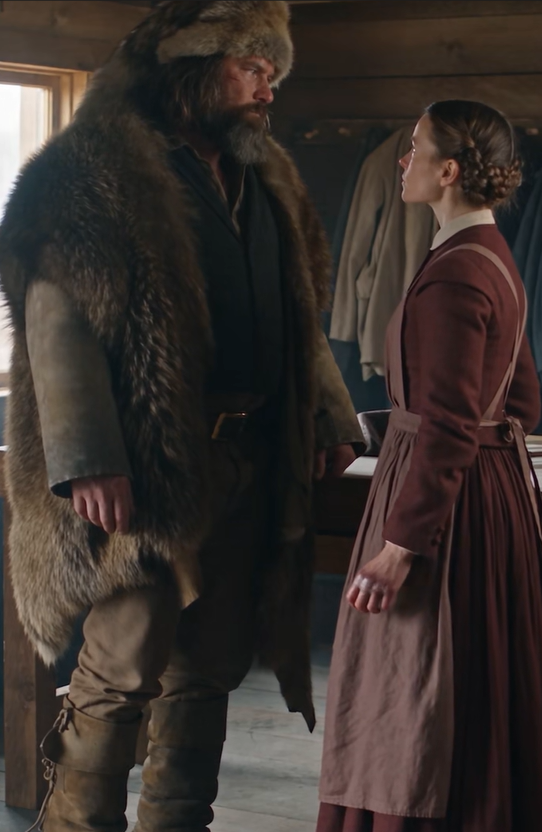
Briggs adjusted his cuff.
“I prefer acquisition.”
The truth arrived piece by piece.
Crowley had arranged marriages.
Vane erased investigations.
But Briggs controlled the money.
The factories gave him hundreds of desperate women.
The railway gave him transportation.
The marriage bureau gave him legal names.
And the land transfers gave him everything else.
“My mother knew.”
Briggs smiled.
“Your mother created the system.”
Lydia stared.
“No.”
“Oh, she didn’t create what we did with it.”
He laughed softly.
“Ellen Fenwick was much too moral for that.”
“What are you talking about?”
“She built the codes.”
The room became silent.
Briggs continued.
“Your mother worked as a railway accountant before you were born. Brilliant woman. She discovered shipments disappearing, false land titles, payments to judges.”
Lydia’s mother.
The seamstress.
The frightened woman burning papers.
“She created coded duplicate ledgers,” Briggs said. “If the originals were destroyed, investigators could reconstruct everything.”
Lydia understood.
Fabric numbers.
Loom counts.
False production records.
Her mother had hidden evidence inside ordinary factory accounting.
“When Thomas joined our business,” Briggs said, “he discovered what his wife was doing.”
“You killed her.”
“No.”
Briggs smiled.
“Your father did.”
Lydia looked at Crowley’s body.
“He set the fire?”
“Yes.”
Her knees nearly collapsed.
Briggs stepped closer.
“Unfortunately, Ellen had already hidden copies.”
“In the embroidery.”
“One copy.”
“What about the others?”
“That,” Briggs said, “is why you’re still alive.”
The door downstairs slammed.
Men shouted.
Briggs glanced toward the hallway.
“Vane?”
No answer.
Another crash.
Then gunfire.
Lydia moved.
She threw the oil lamp.
It struck the wall beside Briggs.
Flames exploded across the curtain.
Briggs shouted and lifted his arm.
Lydia ran.
One of his men grabbed her dress.
The fabric tore.
She kicked backward and reached the hallway.
Smoke filled the stairs.
Below, Deputy Vane lay unconscious beside the counter.
A massive figure stood over him.
Gideon.
His wrists were bleeding where he had dragged the chain between his cuffs against an iron stove edge until the link broke.
He saw Lydia.
Saw blood on her mouth.
Something terrible entered his face.
“Briggs.”
Not a question.
Lydia ran toward him.
“Behind me!”
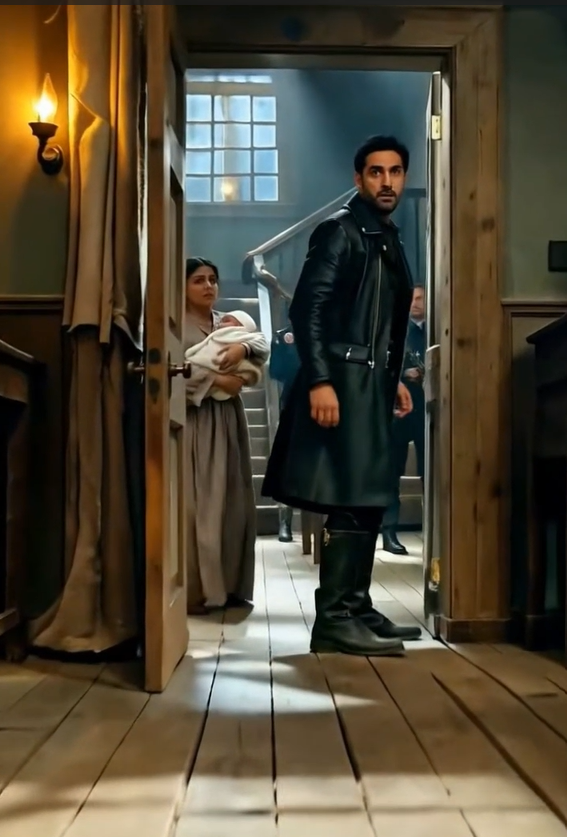
Briggs appeared at the top of the stairs with his pistol.
Gideon pushed Lydia sideways.
The gun fired.
Gideon jerked.
Lydia screamed.
He fell against the counter.
“Gideon!”
Briggs descended slowly.
“It really is remarkable,” he said, “how much inconvenience one woman can cause.”
Lydia dropped beside Gideon.
Blood spread across his shoulder.
His eyes remained open.
Alive.
But Briggs had the gun.
Outside, wind drove snow through the street.
The mercantile curtain was burning.
People gathered beyond the windows but did not enter.
Briggs reached the bottom stair.
“Where are Ellen’s ledgers?”
Lydia looked at him.
Then something her mother had written returned.
Trust the books.
Not the embroidery.
Not the chest.
The books.
Lydia began laughing.
Briggs frowned.
“What?”
“You still don’t understand.”
“Understand what?”
“My mother didn’t hide the evidence somewhere.”
Lydia rose.
“She taught me how to reproduce it.”
Briggs’s face changed.
Lydia pointed toward his coat.
“You carried Bellweather’s numbers for years.”
She had seen his private ledger dozens of times.