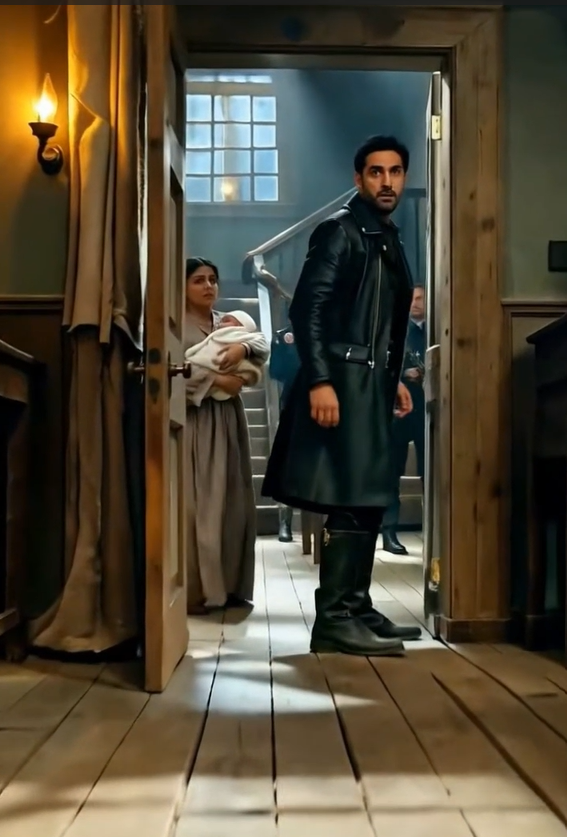
Adrian found him.
Nathaniel was sick.
Older.
Living under another name.
Adrian took the ring.
And left him alive.
That surprised Eleanor.
“Why?”
Adrian answered during deposition.
“Because he looked at me and said he pitied me.”
The words had humiliated him more than any threat.
Nathaniel died six months later.
A hospital record confirmed it.
Eleanor traveled to France the following spring.
She found his grave.
Plain stone.
Different name.
No family.
She sat beside it for an hour.
Then placed flowers there.
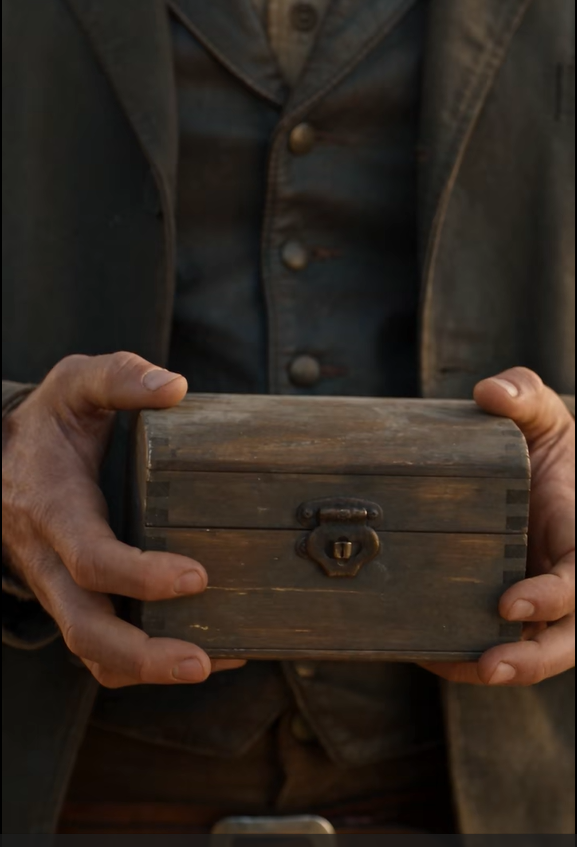
“I found the box,” she said.
Wind moved through the grass.
“And your ridiculous code.”
She laughed through tears.
“You could have made it easier.”
No answer came.
She had not expected one.
Before leaving she touched the stone.
“I was angry with you.”
Her throat tightened.
“I still am, a little.”
That felt important to say.
Love did not require rewriting pain into something beautiful.
Nathaniel had made choices.
Some noble.
Some cowardly.
All human.
“But I know now.”
She rested her hand against his name.
“I know you did not leave because I wasn’t worth staying for.”
Then she went home.
Blackthorn changed.
Not overnight.
Houses were easier to inherit than cultures.
Eleanor kept Mrs.
Fenwick as housekeeper.
Raised wages.
Created pensions.
Ended fines for broken dishes unless negligence was deliberate.
Servants received half days every week instead of one afternoon every fortnight.
Thomas became assistant estate manager after Eleanor discovered he could perform accounts better than Adrian’s former steward.
The drawing room where Adrian struck her became a library open to estate families twice a week.
Someone once asked why.
Eleanor answered:
“Because too many secrets survive in rooms where only the powerful are allowed to read.”
Lady Beatrice lived another three years.
Long enough to see the hospital trust repaid.
Long enough to watch money stolen by Edmund returned to charities wherever records allowed.
Long enough to sit beside Eleanor under the cedar trees and apologize approximately once a month.
Eleanor eventually told her:
“If you apologize again, I shall begin charging you.”
Beatrice smiled.
“You sound like Nathaniel.”
“That is either comforting or alarming.”
“Both.”
Dr.
Samuel Vale remained a frequent visitor.
Then an extremely frequent visitor.
Then, according to Mrs.
Fenwick, a man who had apparently forgotten he owned a house elsewhere.
One autumn afternoon he found Eleanor repairing the clasp on her father’s ring.
“You could have a jeweler do that.”
“I know.”
“You can afford approximately every jeweler in England.”
“That sounds exhausting.”
Samuel smiled.
The ring no longer carried the notarial seal.
That belonged in a locked archive now.
But Eleanor kept the small empty compartment.
A reminder.
Samuel leaned against the desk.
“You know, most women who inherit estates purchase diamonds.”
“I inherited enough diamonds.”
“The black ones?”
“They’re rather ugly.”
He laughed.
Then became serious.
“Eleanor.”
She looked up.
He seemed unexpectedly nervous.
This amused her.
“You faced Adrian with a revolver more calmly than this.”
“Adrian was less frightening.”
“Wise answer.”
Samuel took something from his pocket.
A small velvet box.
Eleanor stared.
“Absolutely not.”
He froze.
“I haven’t asked.”
“You are holding a ring.”
“It might contain medicine.”
“It does not.”
Samuel laughed.
“Would you let me speak?”