Not about Voss’s final attempt.
Something stranger.
The letter was dated October 2, 1889.
Sixteen days before the wagon dumped the cracked eggs.
It read:
Rowan,
If you are reading this, then somehow the Marshline flock found its way home.
Eleanor believes we must plan carefully, but I have learned that plans are fragile things. People betray them. Fires destroy them. Money corrupts them.
So I have chosen something less predictable.
I left instructions with Peter Lyle years ago. If Eleanor ever needed to move the flock and could not reach you safely, he was to take the north road past The Sink. He was told that if intercepted, he should damage the shipment enough to make it appear worthless, but not destroy it completely.
Rowan stopped reading.
Her heart pounded.
The ditch.
The cracks.
Peter.
It had not been an accident.
Not entirely.
She continued.
You may think this cruel. Perhaps it is.
But Voss has one blindness I have never been able to cure in him: he cannot imagine saving what appears broken.
Rowan covered her mouth.
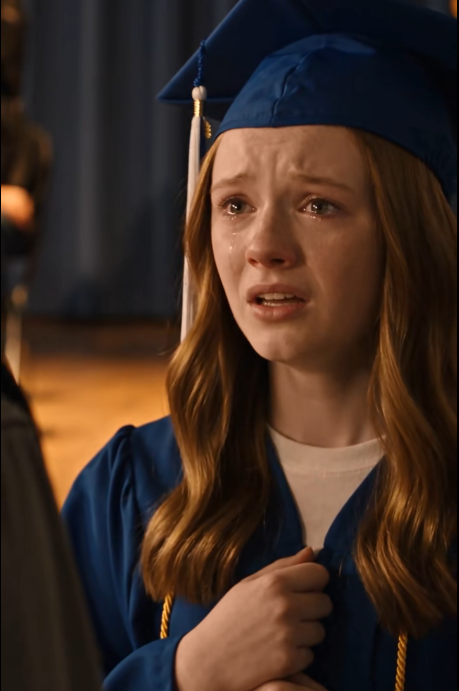
The final lines blurred through tears.
That is why I chose you.
Not because you are the cleverest Mercer. Eleanor is cleverer. Not because you understand birds. You do not. Not because you understand medicine. You certainly do not.
I chose you because when you were nine years old, you found a sparrow with a shattered wing. Everyone told you it would die. You sat awake for three nights feeding it drops of water from your finger.
The sparrow died anyway.
You buried it beneath my apple tree and told me, “Dying didn’t mean it deserved to be alone.”
That was when I knew.
If the future of this work ever depended on someone picking up what the world had discarded, it had to be you.
Rowan lowered the letter.
Outside, snow fell over The Sink.
The marsh slept beneath ice.
A flock of geese gathered near the heated channel.
Caleb entered quietly.
“What did you find?”
Rowan handed him the page.
He read.
Then he sat beside her.
“So the old man planned even the broken shells.”
“Not exactly.”
“No?”
Rowan smiled through tears.
“He planned on Voss being cruel.”
She looked at the letter.
“And on me being stubborn.”
Caleb laughed.
“That part was safe enough.”
Rowan elbowed him.
Then she looked toward the dark window.
For decades, people had told the story wrong.
They said 350 broken eggs had made Rowan Mercer rich.
But the money had never been the miracle.
Neither had the medicine.
Nor the geese.
The miracle was much smaller.
It was one person kneeling in mud when everyone else kept walking.
One pair of hands lifting what had been discarded.
One quiet decision made without witnesses, profit, certainty, or applause.
I’m not throwing you away yet.
That was all.
That was everything.
And in the end, Rowan finally understood her grandfather’s greatest lesson.
Sometimes the most valuable things in the world do not arrive protected, polished, or whole.
Sometimes they arrive cracked.
Sometimes they arrive covered in mud.
Sometimes everyone around you laughs when you choose to save them.
And sometimes, if you are patient enough to listen—
you hear tapping from inside the shell.