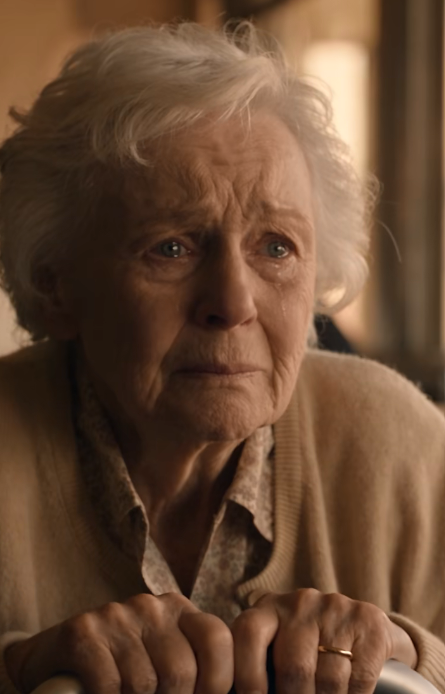
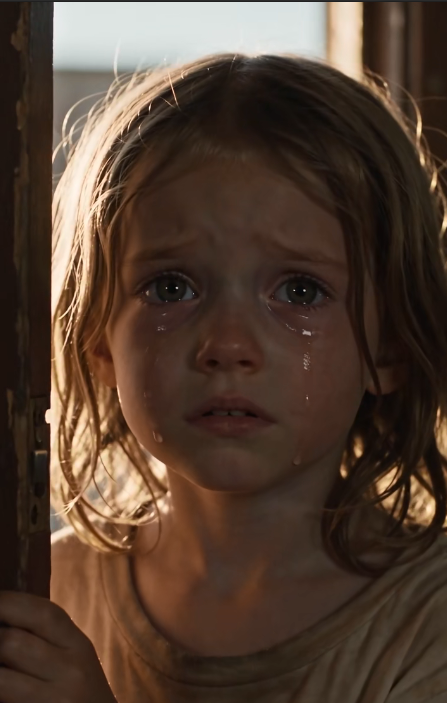
“She’s finally lost her mind.”
“Those things are already dead.”
“Wait until the whole place smells rotten.”
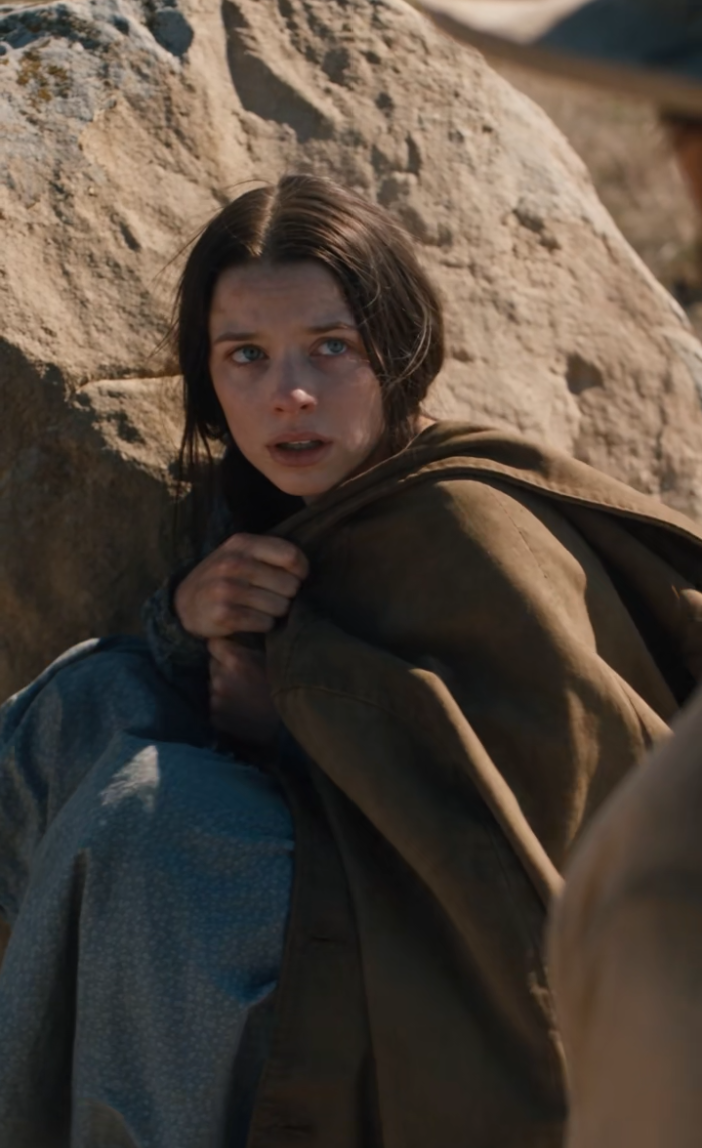
Rowan heard every word.
She kept walking.
Inside the barn, she spread clean straw across the floor.
Then she examined every egg.
Many were hopeless.
Forty-seven had shattered completely.
Thirty-one were leaking too badly.
But the rest…
The rest made Rowan stop.
Nearly all of them were still warm.
She knew little about geese beyond what her uncle had taught her.
Silas Mercer had been an odd man.
He kept notebooks on rainfall, seed varieties, nesting birds, swamp grasses, and animal breeding.
“You learn more watching what survives bad ground,” he used to tell Rowan when she visited as a girl, “than you ever learn admiring what thrives on easy ground.”
Rowan remembered something else.
Once, years earlier, she had dropped a chicken egg near Silas’s coop.
The shell had cracked.
Instead of discarding it, Silas sealed the fracture with warm beeswax.
“Sometimes,” he had said, “a shell is broken before the life inside is.”
Rowan still had his beekeeping box.
She melted wax.
Then she began.
One egg.
Then another.
Then another.
The smallest cracks received thin layers.
The weakest shells were wrapped in soft cloth.
She arranged the eggs in baskets near an iron stove, turning them carefully and trying to maintain warmth.
Hour after hour, she worked beneath lantern light.
By midnight, her back ached.
By dawn, her fingers were stiff with wax.
Yet she continued.
Outside, Caldwell Flats found a new joke.
Inside, Rowan treated every surviving egg as if it mattered.
Turn.
Check.
Warm.
Wait.
Repeat.
Days passed.
Nothing happened.
Then a week.
Still nothing.
Then two.
The townspeople became even more confident Rowan had wasted her time.
A farmer named Elias Boone rode past her gate and called, “How’s your graveyard?”
Rowan merely lifted one hand.
Another woman advised her to dig a pit before everything began to stink.
Even Amos Bell, the kindly owner of the general store, shook his head.
“Miss Mercer,” he said gently when Rowan came to buy lamp oil, “hope is useful. But it can become expensive.”
“So can giving up too early,” she replied.
Amos smiled sadly.
“You sound like Silas.”
“That’s the nicest thing anyone’s said to me this week.”
She went home.
Turn.
Check.
Warm.
Wait.
Repeat.
Until one pale November morning, something changed.
Rowan was alone in the barn when a tiny sound broke the silence.
Tap.
She froze.
For a moment she thought she had imagined it.
Tap.
Her eyes shifted toward the largest basket.
Then came another sound.
Tap.
Rowan dropped to her knees.
Her hands trembled as she lifted the cloth.
Nothing.
She leaned closer.
Then a hairline fracture appeared beneath the beeswax.
The shell twitched.
Something inside pushed.
Rowan covered her mouth.
“Oh…”
The crack widened.
A wet black beak punched through.
Rowan laughed—a startled, breathless sound she had not made in months.
“Oh, you stubborn little thing.”
Before she could touch the basket, another egg began tapping.
Then another.
Then another.
The barn slowly filled with tiny percussion.
Tap.
Crack.
Tap.
Crack.
Rowan turned in astonishment as baskets shivered around her.
After weeks of ridicule, doubt, and silence, life was breaking through everywhere.
Then the biggest basket erupted.
Dozens of shells began cracking almost simultaneously.
Rowan cried openly.
By noon, the barn held one hundred and eighty-seven living goslings.
By nightfall, the number had reached two hundred and thirty-four.