“I pretended to die. Silas moved you. We erased every connection.”
“Then why didn’t you return after Voss stopped looking?”
“He never stopped.”
Rowan thought of the second breeding farm.
“The geese?”
“I kept the line alive.”
“You sent those eggs?”
Eleanor nodded.
Rowan’s anger collapsed into confusion.
“You cracked them?”
“No.”
“Then what happened?”
Eleanor looked toward Peter.
“The wagon was supposed to reach Rowan safely.”
Peter shook his head.
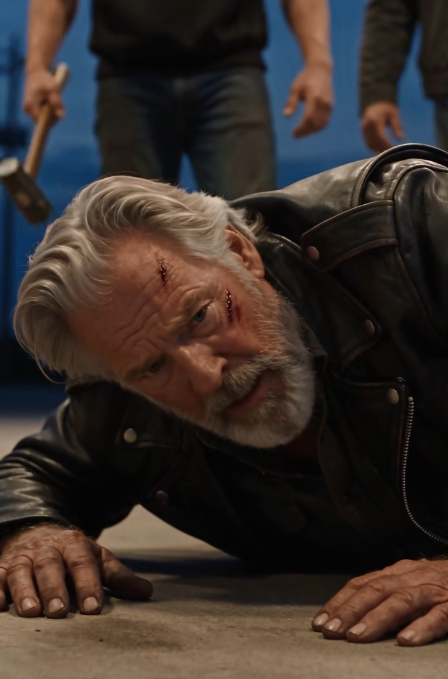
“Voss’s men intercepted me.”
Eleanor continued.
“They ordered him to destroy the shipment. Peter damaged the eggs but dumped them near your farm rather than smashing them outright.”
Peter lowered his head.
“I figured they’d die anyway.”
Rowan thought of the roadside ditch.
The mud.
The tiny tapping sounds weeks later.
“Why send them to me?”
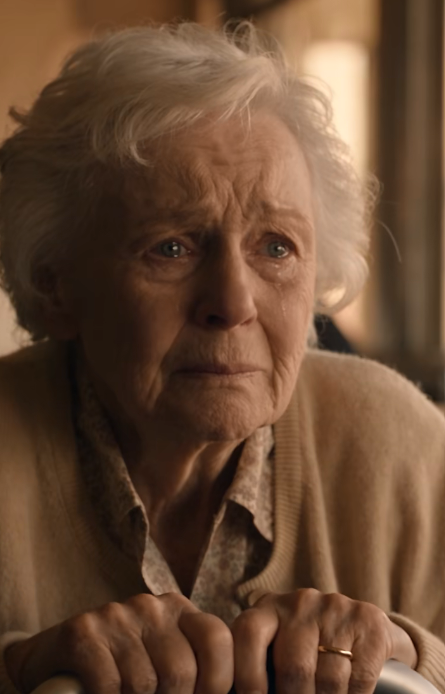
“Because I’m dying.”
Eleanor said it gently.
Rowan flinched.
“Don’t.”
“I have months, perhaps less.”
“No.”
“Rowan—”
“You don’t get to appear after twenty years and tell me that.”
Eleanor’s eyes filled.
“I know.”
“No. You don’t.”
Rowan turned away.
Then Eleanor said, “The eggs were never the inheritance.”
Rowan stopped.
“The land was.”
They returned to The Sink three days later.
Caleb’s shoulder would heal.
Voss faced charges for attempted murder, arson conspiracy, fraud, and illegal confinement.
The newspapers arrived soon after.
So did government scientists.
Yet Rowan cared about one thing.
The land.
Eleanor walked with her through the flooded eastern field.
“These plants,” she said.
She knelt beside thick blue-green reeds Rowan had considered weeds.
“Silas cultivated them for decades.”
“The fungus is on the roots?”
“Yes.”
“Can it be harvested?”
“Not easily.”
“Can it grow elsewhere?”
“We tried.”
“And?”
Eleanor smiled faintly.
“It dies.”
Rowan looked around.
The soggy ground.
The basin.
The worthless mud.
“The Sink.”
“Exactly.”
Something inside Rowan rearranged.
All those years.
Everyone had called the land defective because it would not behave like dry farmland.
But Silas had never wanted it dry.
The very flaw that made The Sink worthless to everyone else made it irreplaceable.
“And the geese?”
“They distribute the fungus naturally. Their digestion helps spread the spores.”
Rowan laughed in astonishment.
“They’re farmers.”
“In a manner of speaking.”
“What happens now?”
“That depends on you.”
“Me?”
Eleanor reached into her coat and handed Rowan a legal document.
It was a trust.
Silas Mercer had not merely left Rowan ten acres.
He had assigned her sole control over the Marshline biological research, breeding stock, and all medical applications derived from the property.
Signed.
Witnessed.
Registered secretly with an attorney in St. Louis.
Rowan stared at the paper.
“Why didn’t Silas tell me?”
“He wanted you to choose the land before you knew its value.”
“That’s cruel.”
“Perhaps.”
Eleanor smiled through tears.
“Or perhaps he needed to know whether you would save something everyone else considered worthless.”
Rowan’s throat tightened.
The broken barn.
The drowned fields.
The cracked eggs.
Suddenly everything seemed connected.
“You planned the egg shipment as a test?”
“No.”
Eleanor shook her head.
“The danger became too great. Voss discovered the hidden farm. I had to move the flock.”
“So it was chance.”
“Some of it.”
Rowan looked toward two hundred geese moving through the reeds.
“What would have happened if I left them in the ditch?”
Eleanor’s answer was barely audible.
“Then everything would have ended.”
By summer, Caldwell Flats was transformed.
Not overnight.
Not magically.
Rowan refused offers from pharmaceutical companies that demanded exclusive ownership.